The definition of a high-end residence has evolved far beyond mere square footage and opulent finishes. Today’s affluent homeowners demand properties that offer seamless technological integration, environmental responsibility, and holistic well-being. Understanding the Luxury Home Trends Shaping Today’s Elegant Living provides valuable insight into how architects and designers are redefining modern opulence. Furthermore, these trends reflect a broader cultural shift toward spaces that nurture both the homeowner and the environment. Therefore, examining these design innovations reveals the future of high-end residential architecture and interior styling.
The Evolution of Luxury Home Trends Shaping Today’s Elegant Living
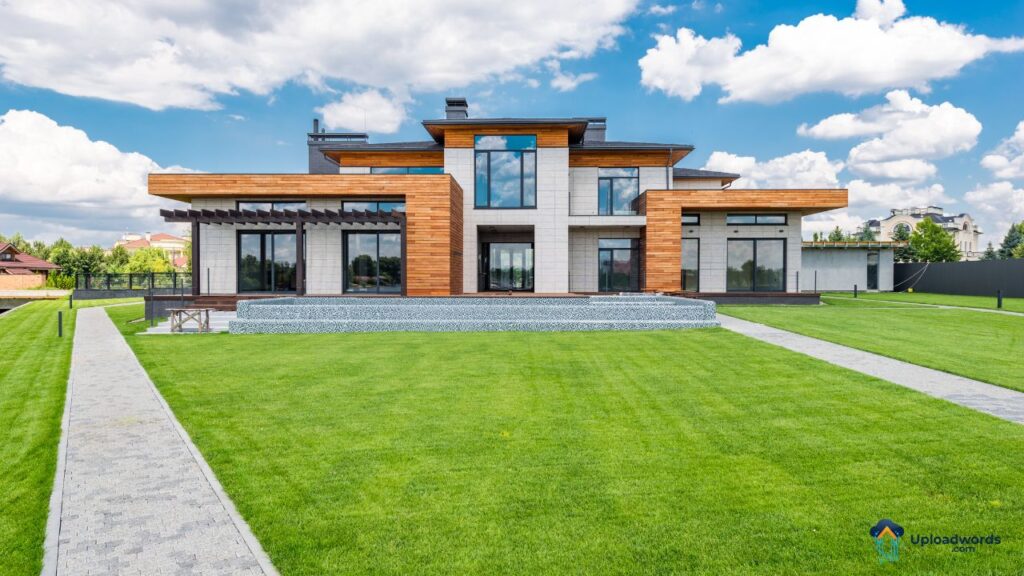
Historically, luxury real estate was defined by grandiose aesthetics and visible displays of wealth. However, the modern high-net-worth individual prioritizes understated elegance and functional sophistication. The focus has shifted from ornate detailing to impeccable craftsmanship and material authenticity. Consequently, architects are moving away from flashy designs in favor of timeless, clean-lined structures. This evolution means that every element of a home must serve a purpose while maintaining the highest aesthetic standards. Thus, modern luxury is about the quality of the space rather than the quantity of its embellishments.
Sustainable Architecture and Eco-Friendly Materials
Environmental responsibility now sits at the core of high-end residential construction. Affluent homeowners are increasingly aware of their carbon footprint and demand estates that align with their values. Builders are utilizing reclaimed wood, low-carbon concrete, and locally sourced natural stone to minimize environmental impact. Furthermore, passive house design principles are being integrated into luxury architecture. These principles maximize natural light, utilize high-grade insulation, and optimize thermal mass to reduce energy consumption. Therefore, sustainable architecture not only benefits the environment but also provides a healthier living environment for the occupants. Consequently, eco-friendly design has become a primary pillar of upscale real estate, inspiring custom home builders like https://luidevelopments.com/Homepage.dc.html to create thoughtfully designed homes that prioritize lasting quality, functionality, and the needs of future generations.
Wellness-Centric Design in Luxury Home Trends Shaping Today’s Elegant Living
The global shift toward health and longevity has heavily influenced residential architecture. Homeowners now view their primary residences as sanctuaries that should actively promote physical and mental well-being. This wellness-centric approach goes beyond a simple home gym. Architects are designing entire floor plans dedicated to relaxation and recovery. Consequently, features like meditation rooms, indoor lap pools, and infrared saunas are becoming standard in custom estates. Therefore, the home functions as a private retreat focused on long-term health optimization.
Spa Bathrooms and Circadian Lighting
The modern master bathroom has evolved into a personal spa. Designers are incorporating hydrotherapy tubs, chromotherapy showers, and heated natural stone floors to replicate the luxury resort experience. Furthermore, water filtration systems that purify shower water and remove chlorine are now highly requested. Beyond water features, circadian rhythm lighting is a major technological advancement in wellness design. These smart lighting systems mimic the natural progression of sunlight throughout the day. They emit cool, bright light in the morning to energize the homeowner and warm, dim light in the evening to promote melatonin production. Thus, circadian lighting aligns the home environment with the human biological clock, ensuring restful sleep and enhanced daily focus.
Smart Home Integration and Invisible Technology
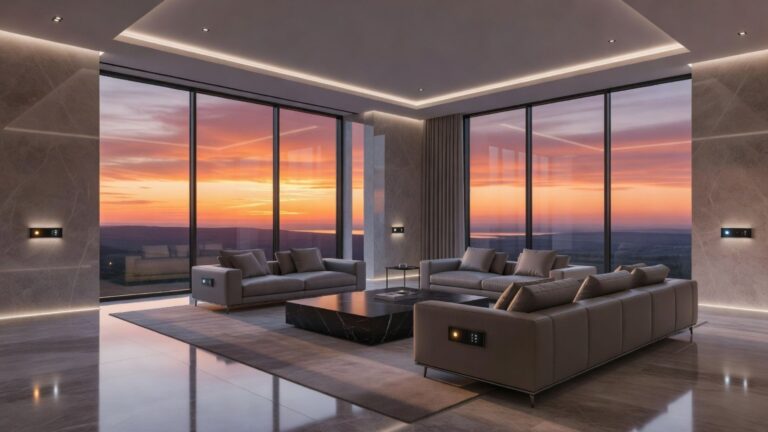
Technology in luxury homes must be powerful yet entirely unobtrusive. The era of bulky televisions and visible smart speakers is fading. Today, technology is seamlessly integrated into the architectural framework. Homeowners control their entire environment through discreet touch panels or voice commands. This invisible tech approach maintains the clean aesthetic of the interior design while providing unparalleled convenience. Furthermore, proprietary systems are custom-programmed to anticipate the homeowner daily routines, adjusting climate, lighting, and security automatically.
Automated Climate Control and Security Systems
High-end homes now feature zoning systems that allow different rooms to maintain individualized climates. This is achieved through advanced HVAC systems coupled with motorized dampers and smart thermostats. Furthermore, humidity and air quality sensors continuously monitor the indoor environment, activating purification systems when necessary. On the security front, invisible perimeter protection is paramount. Architects design landscapes that conceal physical barriers while providing maximum security. Advanced systems utilize thermal cameras, facial recognition software, and underground sensors to detect intruders before they reach the main structure. Therefore, the homeowner enjoys complete peace of mind without the visual intrusion of traditional security cameras and gates. Consequently, technology enhances the living experience without compromising the architectural beauty.
Bespoke Interiors and Artisanal Craftsmanship
Mass production has no place in the modern luxury home. Affluent buyers seek out bespoke elements that tell a story and reflect their personal taste. Interior designers are collaborating directly with master artisans to create custom furniture, unique lighting fixtures, and hand-crafted metalwork. This focus on craftsmanship ensures that no two homes look exactly alike. Furthermore, there is a renewed appreciation for heritage techniques, such as plasterwork, custom millwork, and specialized masonry. Therefore, the interior becomes a curated collection of functional art pieces. Consequently, artisanal craftsmanship adds an irreplaceable soul and character to the modern estate.
Custom Millwork and Natural Stone Elements
Custom millwork defines the architectural bones of an elegant interior. Floor-to-ceiling cabinetry, hidden doors, and coffered ceilings are executed with flawless joinery and premium hardwoods. Designers are moving away from painted finishes in favor of natural wood stains that highlight the grain and warmth of the material. Alongside wood, natural stone is experiencing a massive renaissance. Large-format slabs of marble, travertine, and quartzite are being used for feature walls, kitchen islands, and fireplace surrounds. The veining and natural imperfections of the stone serve as the artistic focal point of the room. Book-matching stone slabs ensure continuous veining patterns, creating a dramatic visual impact. Thus, the combination of fine millwork and bold natural stone creates a sophisticated, tactile environment.
Indoor-Outdoor Living in Luxury Home Trends Shaping Today’s Elegant Living
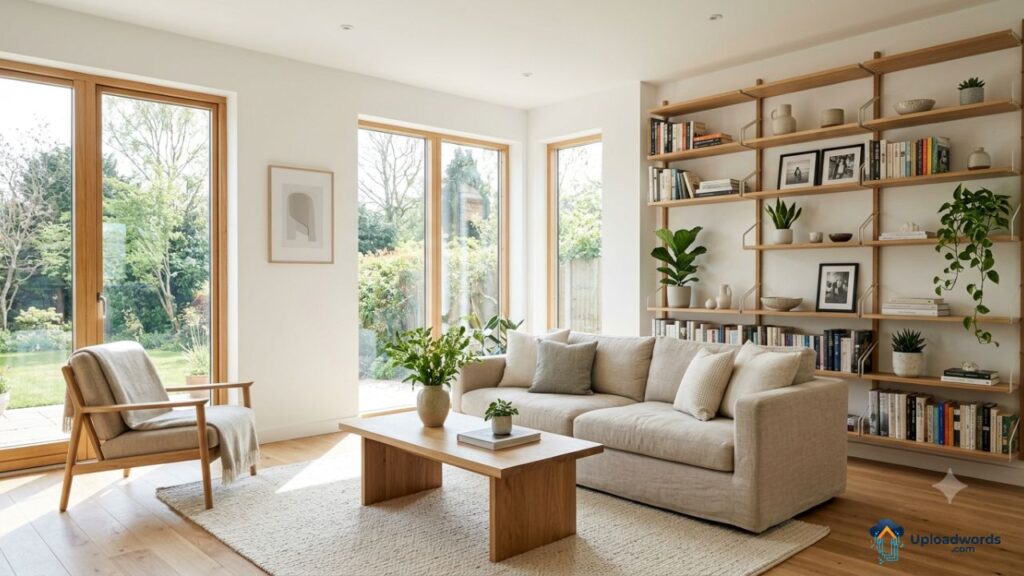
The boundary between the interior and the exterior is rapidly disappearing in high-end residential design. Homeowners desire a seamless transition from their living spaces to the natural landscape. This is achieved through massive, multi-slide glass doors that pocket completely into the walls, erasing the visual barrier between inside and outside. When the doors are open, the living room extends directly onto the patio. Furthermore, outdoor spaces are now fully equipped with kitchens, dining areas, and fire features, making them functional extensions of the home year-round. Therefore, the property usable square footage effectively doubles during favorable weather conditions.
Biophilic Design and Retractable Glass Walls
Biophilic design goes beyond simply opening a door to the patio. It involves integrating natural elements into the core of the architectural plan. Interior courtyards with living walls, indoor water features, and strategic skylights bring nature deep into the home floor plan. Landscaping is designed to be viewed from primary living spaces, framing specific trees or gardens like a painting. Retractable glass walls are the primary mechanical feature enabling this trend. These massive panels feature floor tracks that sit flush with the interior flooring, preventing tripping hazards and allowing for a smooth transition. Consequently, the homeowner experiences the psychological benefits of nature without leaving the comfort of the climate-controlled interior. Thus, biophilic architecture deeply connects the resident with their surrounding environment.
The Future of Luxury Home Trends Shaping Today’s Elegant Living
Looking forward, the definition of luxury will continue to adapt to global and technological shifts. Multi-generational living is becoming more prevalent, requiring floor plans with secondary primary suites and accessory dwelling units that maintain privacy for all occupants. Furthermore, the rise of remote work has permanently altered how home offices are designed. The future luxury office will feature acoustic optimization, custom server rooms for secure data, and advanced video conferencing setups integrated into the architecture. Therefore, the home must function as a self-contained ecosystem capable of supporting every aspect of the homeowner life. Consequently, future luxury developments will focus heavily on autonomy and resilience. Thus, elegant living will be defined by a home ability to adapt seamlessly to any external circumstance.
FAQs
1. What defines luxury home design today?
Modern luxury home design is defined by high-quality sustainable materials, invisible smart technology, and bespoke craftsmanship rather than sheer square footage.
2. How is technology integrated into modern luxury homes?
Technology is seamlessly hidden within the architecture, utilizing automated climate control, circadian lighting, and discreet security systems managed via voice or touch panels.
3. Why is wellness design important in luxury real estate?
Wellness design incorporates features like spa bathrooms and air purification systems, turning the home into a private sanctuary that promotes physical and mental health.
4. Are sustainable materials common in high-end architecture?
Yes, eco-friendly materials like reclaimed wood and low-carbon concrete, along with passive house design principles, are now highly sought after in luxury builds.
5. What is biophilic design in luxury homes?
Biophilic design integrates natural elements like indoor courtyards, living walls, and retractable glass walls to create a seamless connection between the interior and the landscape.
6. How are luxury homes adapting to remote work?
Luxury homes now feature acoustically optimized, technologically advanced home offices with secure server infrastructure to support full-time remote executive work.
Conclusion
The landscape of high-end real estate is undergoing a profound transformation. The Luxury Home Trends Shaping Today’s Elegant Living demonstrate a clear departure from ostentatious displays of wealth toward a more mindful, integrated approach to residential design. By prioritizing sustainability, wellness, invisible technology, and artisanal craftsmanship, modern luxury homes offer an unparalleled quality of life. Furthermore, the seamless blending of indoor and outdoor spaces connects homeowners to their natural surroundings while providing a restorative sanctuary. As these trends continue to evolve, the essence of luxury will remain rooted in how effectively a home supports and enhances the daily lives of its occupants. Ultimately, elegant living today is defined by harmony, health, and architectural integrity.