

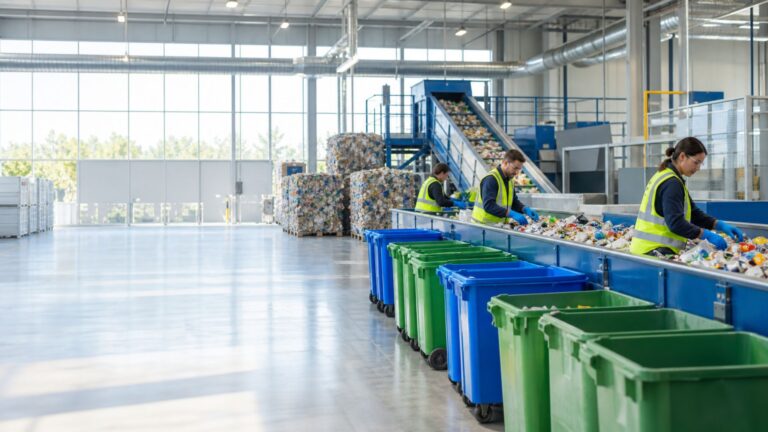
Sustainability has become an important priority for individuals, businesses, and communities seeking to reduce environmental impact. Recycling plays a central role in conserving natural resources, reducing landfill waste, and supporting a circular economy. As more digital platforms focus on environmental awareness, users often search for information about websites related to recycling and waste management. If you’ve come across MataRecycler, understanding its purpose and evaluating its information carefully can help you make informed decisions about environmental resources and sustainable practices.
This guide explains what MataRecycler may represent, how recycling-focused platforms generally operate, and the best practices for evaluating environmental information online.
What Is MataRecycler?
MataRecycler is an online platform or website name that may focus on recycling, waste management, sustainability, or environmental education. Depending on its current purpose, the platform may publish educational articles, recycling guides, or information about responsible waste disposal.
Because websites evolve over time, readers should visit the official MataRecycler website to review its latest services, resources, and published content.
Potential areas of focus may include:
- Recycling education
- Waste management
- Environmental sustainability
- Circular economy concepts
- Resource conservation
- Recycling best practices
The exact content depends on the platform’s editorial direction.
Why Recycling Platforms Matter
Digital recycling platforms help increase awareness of sustainable practices by making environmental information more accessible.
They may help users:
- Learn proper recycling methods
- Understand waste reduction strategies
- Explore sustainability initiatives
- Find recycling resources
- Stay informed about environmental trends
- Support responsible resource management
Reliable information encourages better environmental decision-making at both individual and organizational levels.
How MataRecycler May Organize Information
Like many informational websites, MataRecycler may categorize content to make it easier for readers to navigate.
Recycling Guides
Educational guides may explain how different materials should be sorted, prepared, and recycled.
Sustainability Articles
Articles may discuss environmental challenges, conservation strategies, and sustainable living practices.
Waste Management Resources
Some platforms provide practical information about responsible disposal, recycling programs, and environmental regulations.
Educational Content
General educational articles may introduce readers to topics such as recycling systems, material recovery, and environmental responsibility.
Benefits of Learning About Recycling
Understanding recycling practices offers several environmental and economic benefits.
Potential advantages include:
- Reduced landfill waste
- Conservation of natural resources
- Lower environmental impact
- Improved resource efficiency
- Greater public awareness
- Support for sustainable communities
The effectiveness of recycling depends on local infrastructure, regulations, and community participation.
Evaluating MataRecycler
Whether researching MataRecycler or any environmental website, readers should evaluate information carefully.
Review Website Transparency
Reliable websites generally provide:
- About page
- Contact information
- Privacy policy
- Terms of use
- Organizational information
Transparency helps users understand who operates the platform.
Assess Content Quality
Well-prepared environmental content typically demonstrates:
- Accurate information
- Clear explanations
- Logical organization
- Current environmental topics
- Balanced presentation
Readers should be cautious of unsupported environmental claims.
Verify Information
Environmental topics often benefit from comparison with trusted organizations such as:
- Government environmental agencies
- Academic institutions
- International environmental organizations
- Local recycling authorities
- Scientific publications
Comparing multiple sources improves research accuracy.
Recycling Best Practices
Regardless of the platform you use, following recognized recycling practices supports better environmental outcomes.
Common recommendations include:
Sort Materials Properly
Separate paper, plastics, glass, metals, and other recyclable materials according to local recycling guidelines.
Clean Recyclables
Removing food residue from recyclable containers helps improve processing efficiency.
Follow Local Recycling Rules
Accepted materials vary by municipality and recycling program.
Reduce and Reuse
Waste reduction and product reuse complement recycling efforts and support resource conservation.
Why EEAT Matters
Environmental information should be trustworthy and supported by reliable sources.
Google’s EEAT framework emphasizes:
Experience
Does the content reflect practical environmental knowledge?
Expertise
Are environmental topics presented accurately by knowledgeable contributors?
Authoritativeness
Does the website reference recognized environmental organizations?
Trustworthiness
Does the platform provide transparent policies and factual information?
Applying these principles helps readers evaluate sustainability content.
AI Search and GEO Optimization
AI-powered search tools increasingly summarize content from reliable websites. Environmental platforms that publish accurate and well-structured information are more likely to be useful for AI-assisted search.
Characteristics include:
- Clear headings
- Practical explanations
- Fact-based content
- Logical organization
- Frequently asked questions
- Updated information
These practices improve accessibility across search platforms.
When Official Environmental Sources Are Best
Although informational websites can be helpful, official organizations remain the preferred source for:
- Local recycling regulations
- Waste disposal requirements
- Environmental legislation
- Hazardous waste guidance
- Community recycling programs
Official agencies provide the most current and authoritative information.
Best Practices for Environmental Research
To improve the quality of your environmental research:
- Compare multiple reputable sources.
- Verify information with official agencies.
- Review publication dates.
- Check author expertise.
- Evaluate website transparency.
- Stay informed about local recycling requirements.
These practices support informed environmental decisions.
Frequently Asked Questions
1. What is MataRecycler?
MataRecycler is an online platform or website name that may focus on recycling, sustainability, or environmental education. Its current offerings should be confirmed through the official website.
2. Why are recycling platforms important?
They help educate the public about waste reduction, recycling practices, and environmental sustainability.
3. How can I verify recycling information?
Compare information with government environmental agencies, local recycling authorities, and recognized environmental organizations.
4. What materials are commonly recyclable?
Many recycling programs accept paper, cardboard, glass, certain plastics, and metals, although accepted materials vary by location.
5. Why is EEAT important for environmental content?
EEAT helps readers identify content that demonstrates experience, expertise, authority, and trustworthiness, improving information quality.
6. Can recycling guidelines differ by city?
Yes. Recycling rules and accepted materials vary by municipality and local waste management programs.
Conclusion
MataRecycler may provide useful information about recycling, sustainability, and environmental responsibility, depending on the content available on its platform. Like any online resource, its information should be evaluated carefully by reviewing transparency, comparing multiple reputable sources, and consulting official environmental agencies when needed. By following responsible research practices and adopting effective recycling habits, individuals and organizations can contribute to more sustainable waste management and support long-term environmental conservation.


