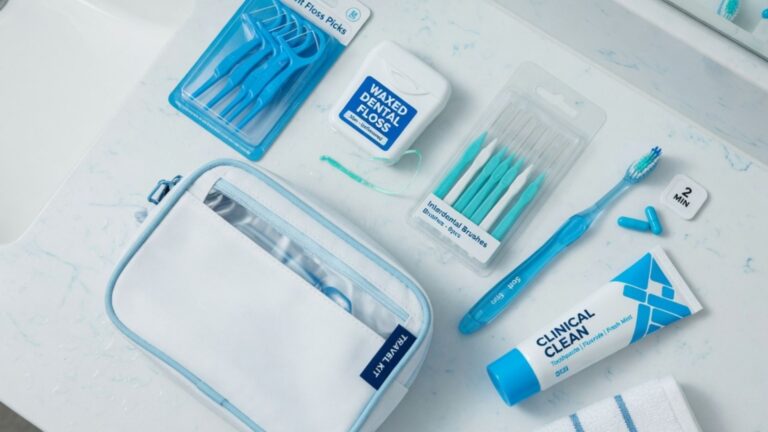
Good oral hygiene is built on more than brushing alone. Toothbrushes clean the visible surfaces of teeth, but food particles and plaque can still collect between teeth and along the gumline. That is why dental floss picks have become a popular option for people who want a quick, convenient, and easy-to-handle way to clean between teeth. They combine a short piece of floss with a small plastic or biodegradable handle, making interdental cleaning more accessible for people who struggle with traditional string floss.
Floss picks are especially useful for travel, work, school, take-home dental hygiene kits, and everyday routines where convenience matters. However, like any oral care tool, they work best when used correctly. The goal is not to snap the floss between teeth aggressively, but to gently clean the sides of each tooth and just below the gumline where plaque often builds up.
This guide explains what floss picks are, how they compare with traditional floss, who may benefit from them, and what to look for before choosing the right option.
What Are Dental Floss Picks?
Dental floss picks are small oral care tools designed to help clean between teeth. They usually include a handle, a short piece of floss stretched between two prongs, and sometimes a pointed end that can be used like a toothpick.
They are commonly used to remove:
- Food particles between teeth
- Soft plaque along the gumline
- Debris around dental work
- Particles after meals
- Buildup in hard-to-reach spaces
Many people prefer floss picks because they are easier to hold than string floss. This can be helpful for children learning to floss, adults with limited hand mobility, people with busy schedules, or anyone who finds traditional floss awkward.
Floss picks are not a replacement for professional dental care, but they can support a more consistent at-home oral hygiene routine.
Why Dental Floss Picks Are Popular
Dental floss picks are popular because they make flossing feel simpler. Traditional floss requires wrapping string around the fingers, controlling tension, and reaching into the back of the mouth. Some people find that uncomfortable or difficult.
Floss picks offer several practical advantages:
- Easy to hold
- Convenient for travel
- Useful after meals
- Good for quick cleanups
- Simple for beginners
- Helpful for reaching back teeth
- Portable in bags or pockets
- Less messy than loose string floss
Convenience matters because people are more likely to keep using an oral care tool that fits easily into daily life. If floss picks help someone clean between teeth more often, they can be a useful part of preventive oral care.
Dental Floss Picks vs Traditional String Floss
Both floss picks and traditional floss are designed for interdental cleaning, but they work differently.
Traditional string floss allows users to use a fresh section of floss between each tooth. It can also curve around the tooth in a “C” shape more easily, which may provide better control for thorough cleaning.
Dental floss picks are easier to handle, but the floss section is shorter and fixed in place. This means users need to be careful with technique and may need more than one pick if the floss becomes frayed or dirty.
Traditional floss may be better for:
- Maximum control
- Cleaning tightly curved tooth surfaces
- Using a fresh section between teeth
- People comfortable with proper flossing technique
Floss picks may be better for:
- Convenience
- Travel
- Children or beginners
- Quick use after meals
- People with dexterity challenges
- Reaching back teeth more easily
The best choice is the one you can use correctly and consistently.
How to Use Dental Floss Picks Correctly
Using floss picks properly is important. Aggressive flossing can irritate gums, while shallow flossing may miss plaque.
Follow these basic steps:
- Hold the pick firmly by the handle.
- Gently guide the floss between two teeth.
- Avoid snapping the floss into the gums.
- Curve the floss slightly against one tooth.
- Move it up and down gently along the tooth surface.
- Repeat against the neighbouring tooth.
- Rinse or wipe the floss section if needed.
- Replace the pick if the floss frays or becomes soiled.
- Dispose of single-use picks properly.
The pointed end, if included, should be used carefully. Do not force it between teeth or press it into the gums. It is meant for gentle removal of visible debris, not deep gum cleaning.
Dental Floss Picks for Back Teeth
Many people find back teeth difficult to floss with traditional string. Dental floss picks can help because the handle offers better reach and control. Some floss picks are specially shaped for molars, with angled heads or longer handles.
When cleaning back teeth, take your time. Move the floss gently between the teeth and avoid forcing it through tight contacts. If the floss shreds repeatedly, it may indicate rough fillings, tight contact points, or dental work that should be checked by a dentist.
Dental Floss Picks for Braces, Implants, and Dental Work
People with braces, implants, bridges, crowns, or retainers may need special interdental cleaning tools. Standard floss picks may not always fit around orthodontic wires or fixed dental work.
In these cases, options may include:
- Orthodontic floss picks
- Super floss
- Floss threaders
- Interdental brushes
- Water flossers
- Implant-safe cleaning tools
For braces and implants, it is best to ask a dental professional which tool is suitable. Using the wrong tool or using too much force may irritate tissues or fail to clean properly around appliances.
Choosing the Best Dental Floss Picks
Not all floss picks are the same. Some are designed for tight teeth, some for molars, some for children, and some for eco-conscious users.
When choosing floss picks, consider:
- Floss strength
- Handle comfort
- Head shape
- Ease of use
- Smoothness between teeth
- Whether the floss frays easily
- Toothpick end design
- Pack size
- Travel convenience
- Material type
- Suitability for children or adults
- Eco-friendly or biodegradable options
If your teeth are very tight, look for thin or smooth floss picks. If you want stronger cleaning between wider spaces, a textured or slightly thicker floss may feel more effective.
Dental Floss Picks in Professional Oral Care Kits
Dental practices often include floss picks in patient hygiene kits because they are simple, portable, and easy to demonstrate. They can help encourage patients to clean between teeth at home, especially when they are new to flossing.
For dental professionals, floss picks may be useful for:
- Take-home hygiene packs
- Patient education
- Post-treatment care reminders
- Children’s oral health programmes
- Travel oral care kits
- Encouraging daily interdental cleaning
The key is matching the product to patient needs. Some patients may do well with standard floss picks, while others may need interdental brushes, water flossers, or specialised flossing aids.
Eco-Friendly Dental Floss Picks
One concern with disposable floss picks is waste. Many traditional picks are single-use plastic products. Eco-friendly options may use plant-based, biodegradable, or reduced-plastic materials, though performance and disposal requirements vary.
If sustainability matters to you, check:
- Material claims
- Packaging details
- Whether the product is truly biodegradable
- Disposal instructions
- Durability during use
- Whether reusable alternatives may be better
Water flossers and traditional string floss may also be alternatives for people who want to reduce single-use waste.
Common Mistakes to Avoid
Floss picks are simple, but mistakes can reduce their effectiveness.
Avoid these common errors:
- Snapping floss into the gums
- Using the same worn pick too long
- Skipping back teeth
- Only removing visible food and ignoring plaque
- Forcing the pick into tight spaces
- Using the toothpick end aggressively
- Reusing single-use floss picks
- Flossing too quickly
- Ignoring bleeding or gum discomfort
- Replacing dental visits with at-home tools
If your gums bleed regularly, feel painful, or remain inflamed, speak with a dental professional. Bleeding may occur when starting a new flossing habit, but persistent symptoms should be checked.
Conclusion: Dental Floss Picks for Better Daily Consistency
Dental floss picks can make interdental cleaning easier, faster, and more convenient for many people. They are especially helpful for travel, quick use after meals, beginners, children, and anyone who finds string floss difficult to manage. While traditional floss may offer more control for some users, dental floss picks can support better consistency when used gently and correctly. The best oral care routine is one you can maintain every day, supported by regular brushing, professional dental checkups, and the right tools for your teeth, gums, and dental work.
FAQs
What are dental floss picks?
Dental floss picks are small tools with a handle and a short piece of floss used to clean between teeth and along the gumline.
Are dental floss picks as good as regular floss?
They can be effective when used correctly, though traditional floss may offer more control and a fresh section between each tooth.
Can dental floss picks help remove plaque?
Yes, they can help remove soft plaque and food particles from between teeth when used gently and consistently.
Are dental floss picks safe for gums?
They are generally safe when used carefully. Avoid snapping the floss into the gums or forcing it between tight teeth.
Can I use dental floss picks with braces?
Standard picks may not work well with braces. Orthodontic floss picks, threaders, interdental brushes, or water flossers may be better.
How often should I use dental floss picks?
Many people use them daily as part of an oral hygiene routine, but your dentist can recommend what is best for your needs.