

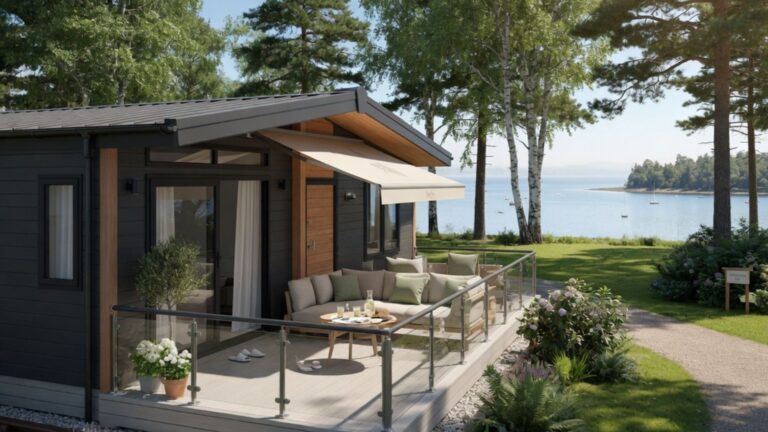
In an increasingly fast-paced world, having a personal sanctuary to escape to is no longer a luxury, but a necessity for well-being. The demand for domestic holidays and staycations has surged, prompting many to explore the idea of purchasing their own holiday home. For those seeking comfort, style, and a tangible return on investment, the search often begins with looking for a static lodge for sale. Unlike traditional brick-and-mortar holiday cottages, these structures offer an affordable, flexible, and highly comfortable alternative, providing all the comforts of a modern home in breathtaking rural, woodland, or coastal settings. This comprehensive guide will walk you through everything you need to know about holiday home ownership, from selecting the right park to understanding the financial and lifestyle benefits.
Why Invest in a Static Lodge for Sale?
The decision to purchase a leisure home is driven by a combination of lifestyle enhancement and financial pragmatism. When you invest in a holiday lodge, you are not just buying a physical structure; you are buying into a lifestyle of convenience and relaxation.
The Holiday Home Lifestyle
The most immediate benefit is the lifestyle upgrade. Modern static caravans and lodges are engineered for comfort. They feature open-plan living areas, fully fitted modern kitchens, central heating, double glazing, and luxurious master suites. When you find the right static lodge for sale, you gain a dedicated space that is exclusively yours. There is no packing and unpacking, no booking hassles, and no compromising on your living standards. You can leave your personal belongings, customize the interior decor, and arrive at a moment’s notice to unwind.
Holiday Let Investment Potential
Beyond personal use, a lodge represents a viable holiday let investment. When you are not using the property, you can sublet it to other holidaymakers. The UK staycation market is booming, and premium lodges command high nightly rates, particularly in sought-after locations like Cornwall, the Lake District, or the Scottish Highlands. By utilizing a holiday letting agency or the park’s own rental management program, you can generate a substantial secondary income stream. This income can effectively cover your annual running costs, pitch fees, and even provide a profitable yield, making your holiday home a working asset rather than a depreciating expense.
Key Factors to Consider When Browsing a Static Lodge for Sale
The market is flooded with options, ranging from budget-friendly caravans to ultra-luxury residential-grade lodges. Making the right choice requires careful evaluation of several critical factors.
Choosing the Right Holiday Lodge Park
The location of your holiday home is arguably more important than the home itself. A luxurious lodge in a poorly managed or isolated park will yield poor returns and limited personal enjoyment. When evaluating a holiday lodge park, consider:
- Location: Is it near local attractions, beaches, or hiking trails? Are there transport links nearby?
- Amenities: Does the park offer facilities like swimming pools, gyms, restaurants, and children’s play areas?
- Park Management: Is the park well-maintained? Does the management team provide a high level of security and customer service?
- Seasonality: Does the park have a 12-month license, or is it restricted to a 10 or 11-month season? This is crucial for both personal use and rental potential.
Residential vs. Holiday Static Caravan Usage
It is vital to understand the legal distinction between residential and holiday use. A residential static caravan is designed and legally permitted for permanent, year-round living as a primary residence. They are built to BS 3632 standards, ensuring they are suitable for all weather conditions. Conversely, a holiday lodge is intended for recreational use and cannot legally be used as a permanent address. You must ensure that the static lodge for sale you are considering aligns with your intended use, as local planning laws and park licensing agreements strictly prohibit permanent residency on holiday parks.
New vs. Pre-Owned Leisure Homes
You have the choice of buying a brand-new lodge directly from a park operator or a pre-owned unit on the resale market. New lodges offer the latest designs, full manufacturer warranties, and the ability to customize the layout and finishes. However, they come at a premium price. Pre-owned lodges are significantly more affordable and often come with existing deckings, steps, and established gardens, but they may have higher maintenance costs and shorter remaining lifespans. Assess your budget and long-term plans to determine which route is best for you.
Understanding the Costs of Holiday Home Ownership
The purchase price is just one component of the financial commitment. To ensure your investment remains viable, you must account for the ongoing costs associated with park home living.
Purchase Price and Financing
The cost of a lodge varies wildly depending on its size, specification, and location. A standard holiday caravan might start around £25,000, while a high-end luxury lodge with hot tubs and premium fixtures can exceed £200,000. Many buyers assume that financing a holiday home is the same as getting a traditional mortgage, but it is not. Specialist leisure finance is required, and interest rates are typically higher than standard residential mortgages. It is advisable to secure a finance agreement in principle before you start viewing properties, ensuring you know your exact budget when you find a static lodge for sale.
Pitch Fees and Annual Running Costs
Every holiday park charges an annual pitch fee. This fee covers the rental of the land your lodge sits on, as well as the maintenance of communal areas, park facilities, and basic infrastructure. Pitch fees can range from £2,000 to over £6,000 per year, depending on the park’s prestige. Additionally, you must budget for:
- Utility bills (electricity, gas, water)
- Council tax (usually at a reduced rate for holiday homes)
- Insurance (specialist static caravan insurance is required)
- Annual maintenance and safety checks (e.g., gas boiler servicing)
The Buying Process: Securing Your Dream Lodge
Once you have identified the perfect holiday home, the purchasing process is relatively straightforward but requires careful attention to detail.
First, you will sign a license agreement with the park owner. This document outlines the terms of your stay, the park rules, the pitch fee review process, and the duration of the license. It is crucial to read this document thoroughly, ideally with legal counsel, to understand your rights and obligations.
Next, you will arrange for the payment and insurance. If you are buying a new lodge, the park will handle the installation, including connecting utilities, building the decking, and skirting the base. If you are buying a pre-owned lodge, you will simply take over the existing pitch agreement. Always ensure that a comprehensive handover is conducted, where you are shown how to operate the heating, water systems, and security features of your new leisure home.
Maximizing Your Investment and Enjoyment
Owning a holiday lodge is a long-term commitment, and maximizing its value requires active management.
Subletting and Management
If you intend to sublet your property, you must check the park’s subletting policy. Some parks mandate that you use their in-house letting agency, taking a percentage of the booking revenue. Others allow you to manage the property independently through platforms like Airbnb or Sykes Holiday Cottages. While managing it yourself yields higher returns, it requires significant effort regarding marketing, cleaning, and guest communication. Whichever route you choose, ensure the lodge is presented beautifully with professional photography and high-quality amenities to attract premium bookings.
Maintenance and Longevity
To protect your investment, regular maintenance is non-negotiable. A well-maintained static caravan can last for 30 to 50 years, whereas a neglected one will deteriorate rapidly. Always winterize your lodge if the park closes during the colder months—this involves draining the water system to prevent burst pipes. Keep the exterior clean, check for any signs of damp or leaks, and ensure the ventilation systems are functioning correctly. When you are evaluating a static lodge for sale, consider the build quality and the manufacturer’s reputation, as a robustly built lodge will withstand the elements far better over the decades.
Conclusion: Finding Your Perfect Static Lodge for Sale
The journey to finding the ideal static lodge for sale is an exciting one, promising a future of memorable holidays, quality family time, and a smart approach to leisure investment. By carefully evaluating the holiday lodge park, understanding the financial commitments, and distinguishing between residential and holiday use, you can make an informed decision that aligns with your lifestyle and financial goals. Whether you are seeking a tranquil retreat for personal use or a high-yielding holiday let investment, the static lodge market offers a diverse array of opportunities. Take the time to research, visit multiple parks, and consult with industry experts to ensure your holiday home ownership experience is as rewarding as possible.
Frequently Asked Questions (FAQs)
1. What is the difference between a static caravan and a static lodge?
A static lodge is typically larger, built to a higher specification with residential-grade insulation, and often features premium fixtures, whereas a static caravan is generally more compact and designed for occasional holiday use.
2. Can I live in a holiday lodge permanently?
No, holiday lodges are legally designated for recreational use and cannot be used as a permanent, primary residence; you must maintain a main residence elsewhere.
3. How long does a static lodge last?
With proper maintenance and care, a high-quality static lodge can last anywhere from 30 to 50 years, depending on the build quality and the local climate.
4. Are there hidden costs when buying a holiday home?
Beyond the purchase price, buyers must account for annual pitch fees, utility bills, insurance, and potential maintenance costs, so always request a full breakdown of running costs from the park.
5. Can I sublet my holiday lodge when I am not using it?
Most parks allow subletting, but you must adhere to the park’s specific subletting rules, and you may be required to use their management services or pay a percentage of the rental income.
6. Do I need a special mortgage to buy a static lodge?
Yes, you cannot use a standard residential mortgage; you must use specialist leisure finance or a personal loan designed specifically for holiday homes and caravans.


