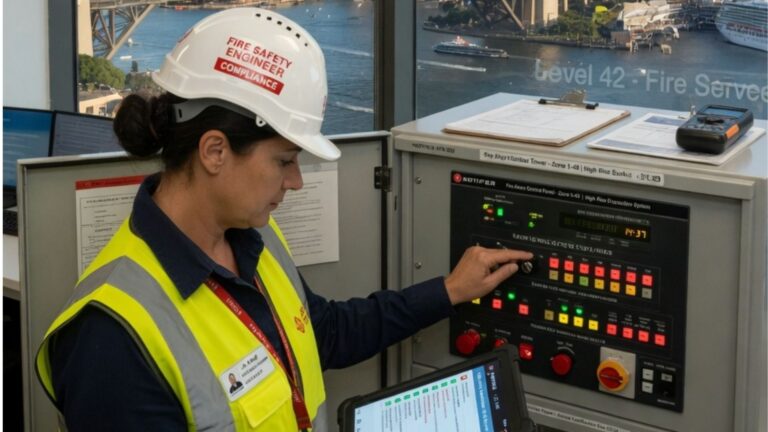
The bustling metropolis of Sydney, with its dense commercial districts, sprawling industrial zones, and diverse residential landscapes, presents unique challenges when it comes to life safety. From the high-rise towers of the CBD to the heritage-listed buildings in The Rocks and the rapid residential developments in Western Sydney, every structure requires a meticulously tailored approach to hazard prevention. When it comes to safeguarding human life and preserving valuable assets, investing in professional fire protection services across Sydney is not merely a legal obligation—it is a moral imperative. A comprehensive fire safety strategy ensures that your building is equipped to detect, contain, and suppress threats long before they escalate into catastrophic events, providing ultimate peace of mind for building owners, facility managers, and occupants alike.
The Critical Need for Fire Protection Services Across Sydney
The regulatory landscape in New South Wales is stringent, governed by the Environmental Planning and Assessment Regulation and the National Construction Code (NCC). These frameworks mandate that all commercial and residential buildings must maintain operational and compliant fire safety measures. Failure to adhere to these standards can result in severe financial penalties, legal liability, and, most tragically, the loss of life.
Engaging expert fire protection services across Sydney ensures that your property navigates this complex regulatory environment flawlessly. A professional service provider does not just install equipment; they act as strategic partners in risk mitigation. They conduct thorough site assessments to identify vulnerabilities, design bespoke suppression and detection systems, and ensure that every component is installed according to the relevant Australian Standards (AS). By taking a proactive approach to hazard management, businesses can prevent minor incidents from turning into devastating infernos.
Navigating NSW Fire Safety Compliance
In NSW, the cornerstone of commercial building compliance is the Annual Fire Safety Statement (AFSS). Each year, building owners must submit this document to the local council and Fire and Rescue NSW, declaring that all fire safety measures within the building have been inspected, tested, and maintained to the required standards. This is a highly rigorous process that requires the expertise of accredited practitioners. Professional fire safety compliance providers manage this entire lifecycle, ensuring that your fire extinguishers, alarm systems, sprinkler setups, and exit doors are all functioning optimally, thereby guaranteeing that your AFSS is signed off without complication or delay.
Core Components of Commercial Fire Protection
Effective fire protection is not reliant on a single device; it is a layered ecosystem of detection, suppression, and containment systems. Depending on the classification and size of your building, the requirements will vary significantly.
Fire Extinguisher Maintenance and Supply
Fire extinguishers are the first line of defense in any emergency. However, simply mounting a red cylinder on a wall is not sufficient. Different types of fires require different suppression agents—water for paper and wood, CO2 for electrical fires, and dry chemical powder for flammable liquids. A comprehensive service includes a professional site assessment to determine the correct mix of extinguisher classes, strategic placement to ensure maximum coverage, and ongoing fire extinguisher maintenance. Accredited technicians must inspect the pressure gauges, check for corrosion, verify the tamper seals, and ensure the hose and nozzle are unobstructed every six months, as mandated by AS 1851.
Fire System Testing and Alarm Monitoring
Early detection is the most critical factor in saving lives. A sophisticated fire alarm system that integrates smoke detectors, heat sensors, and manual call points is mandatory for commercial buildings. However, detection without action is useless. This is where 24/7 alarm monitoring becomes vital. When a sensor is triggered, the system must instantly transmit a signal to a dedicated monitoring center, which immediately dispatches Fire and Rescue NSW. Furthermore, routine fire system testing is essential to ensure that the detection sensors are not compromised by dust, age, or electrical faults. Regular testing guarantees that your monitoring infrastructure remains hyper-responsive when seconds count the most.
Fire Sprinkler Systems and Suppression Solutions
For large-scale commercial properties, industrial warehouses, and high-rise residential towers, passive detection is not enough. Active suppression systems, such as fire sprinkler systems, are engineered to automatically detect heat and discharge water directly onto the blaze, suppressing it before it can spread. In environments where water might cause more harm than good—such as server rooms, data centers, and commercial kitchens—specialized suppression solutions like FM-200 gas systems or kitchen hood wet chemical systems are required. The design, installation, and quarterly testing of these complex suppression networks require the highest level of engineering expertise.
Developing Robust Emergency Evacuation Plans
Even the most advanced technology cannot completely eliminate the risk of a fire. When an emergency occurs, the orderly and rapid evacuation of the building is paramount. Human behavior in a crisis is unpredictable, making thorough preparation the only reliable safeguard.
Training and Fire Drills for Commercial Fire Protection
A comprehensive emergency evacuation plan is a legally required document that outlines the procedures for safely exiting the building. It designates wardens, establishes assembly points, and maps out primary and secondary evacuation routes. However, a plan on paper is useless without practice. Engaging professional fire protection services across Sydney ensures that your staff receives hands-on training and participates in regular fire drills. These drills familiarize occupants with the sound of the alarms, the location of exits, and the physical act of evacuating, effectively reducing panic and confusion during a genuine emergency. Furthermore, specialized training for Fire Wardens ensures that there is a structured leadership hierarchy in place to guide occupants to safety and conduct sweeps of the building.
Choosing the Right Provider for Fire Protection Services Across Sydney
The market is flooded with contractors, but the safety of your building demands a partner with proven expertise, unwavering reliability, and deep industry knowledge. Selecting the right provider is a critical business decision.
Accreditation and Industry Expertise
When evaluating potential providers, the first metric to examine is their accreditation. In New South Wales, fire safety practitioners must be properly qualified to perform assessments and sign off on fire safety schedules. Ensure your chosen provider is affiliated with respected industry bodies, such as the Fire Protection Association Australia (FPAA), and holds the necessary certifications to perform the work.
Additionally, local expertise is crucial. A provider offering fire protection services across Sydney must understand the distinct challenges posed by the city’s infrastructure. They must be adept at navigating the local council approval processes, understand the logistical constraints of performing maintenance in the bustling CBD, and be capable of responding to emergency callouts in the sprawling suburbs of Western Sydney. A truly reliable partner will offer a single point of contact, a transparent digital portal for tracking maintenance schedules, and a 24/7 emergency response team.
Conclusion: Prioritizing Life Safety Through Expert Partnerships
The threat of fire is an ever-present reality, but the devastating consequences of a blaze are almost entirely preventable with the right infrastructure and preparation. By investing in professional fire protection services across Sydney, building owners and facility managers can ensure that their properties are not only compliant with the strict regulations of New South Wales but are genuinely safe for their occupants. From the meticulous maintenance of fire extinguishers and the rigorous testing of alarm systems to the formulation of comprehensive emergency evacuation plans, every element of fire safety plays a vital role in saving lives. Do not leave your safety to chance; partner with a trusted, accredited provider of fire protection services across Sydney to build a resilient, secure, and fully compliant environment for your business and its people.
Frequently Asked Questions (FAQs)
1. What are fire protection services across Sydney?
They encompass the professional installation, inspection, testing, and maintenance of fire safety systems and equipment—such as alarms, sprinklers, and extinguishers—ensuring commercial and residential properties remain safe and compliant.
2. What is an Annual Fire Safety Statement (AFSS)?
It is a mandatory document in NSW that building owners must submit annually to the local council and Fire and Rescue NSW, confirming that all fire safety measures in the building have been inspected and operate to the required standards.
3. How often should fire extinguisher maintenance be performed?
According to Australian Standard AS 1851, fire extinguishers must be professionally inspected and maintained every six months to ensure they are fully charged, undamaged, and operational.
4. Why is 24/7 fire alarm monitoring important?
It ensures that when a fire alarm is triggered, an immediate signal is sent to a monitoring center, which dispatches emergency services automatically, even if the building is unoccupied.
5. What does a commercial fire protection audit include?
A comprehensive audit involves assessing the building’s current fire safety measures, identifying compliance gaps, testing existing equipment, and providing a detailed schedule for required upgrades or maintenance.
6. Who can sign off on fire safety compliance in NSW?
Only a properly accredited and qualified fire safety practitioner can assess, inspect, and certify that fire safety measures comply with the Building Code of Australia and the relevant Australian Standards.