Your home is more than just a collection of furniture and decorations. It is a reflection of your personality, lifestyle, memories, and preferences. Many homeowners struggle with choosing the right colors, furniture, and accessories because they are unsure about the look they want to achieve. Defining your unique decor style helps you make confident design decisions and create a space that feels comfortable, intentional, and visually connected.
Interior design styles act as a framework for organizing choices such as color palettes, materials, furniture shapes, and decorative details. However, your personal style does not have to follow one strict category. The most meaningful homes often combine different influences while maintaining a consistent feeling throughout the space.
Why Discovering Your Decor Style Matters
Without a clear design direction, decorating can become overwhelming. Homeowners often purchase individual items they like but later discover that these pieces do not work well together. A defined decor style creates a foundation that guides future decisions.
Understanding your style can help you:
- Choose furniture that matches your lifestyle
- Create a balanced color scheme
- Avoid unnecessary purchases
- Make rooms feel connected
- Build a home with long-term appeal
Your decor style also makes shopping easier because you understand which materials, textures, and designs naturally fit your vision.
Start by Understanding What You Naturally Like
The first step in discovering your decor style is paying attention to your existing preferences. Instead of immediately choosing a popular trend, look for patterns in what attracts you.
Ask yourself:
- Which rooms make me feel relaxed or inspired?
- Do I prefer simple spaces or layered designs?
- Do I like modern finishes or traditional details?
- Am I drawn to warm colors or neutral tones?
- Do I prefer natural materials or polished surfaces?
Collect images of rooms, furniture, colors, and accessories that catch your attention. Over time, common themes will appear.
For example, you may notice that many of your favorite spaces include wooden furniture, soft fabrics, and neutral colors. This could indicate an interest in organic, Scandinavian, or modern natural styles.
Explore Different Interior Design Styles
Learning the characteristics of different styles can help you identify which elements match your personality. Interior design includes many approaches, from minimalist spaces focused on simplicity to eclectic interiors that combine multiple influences.
Modern Style
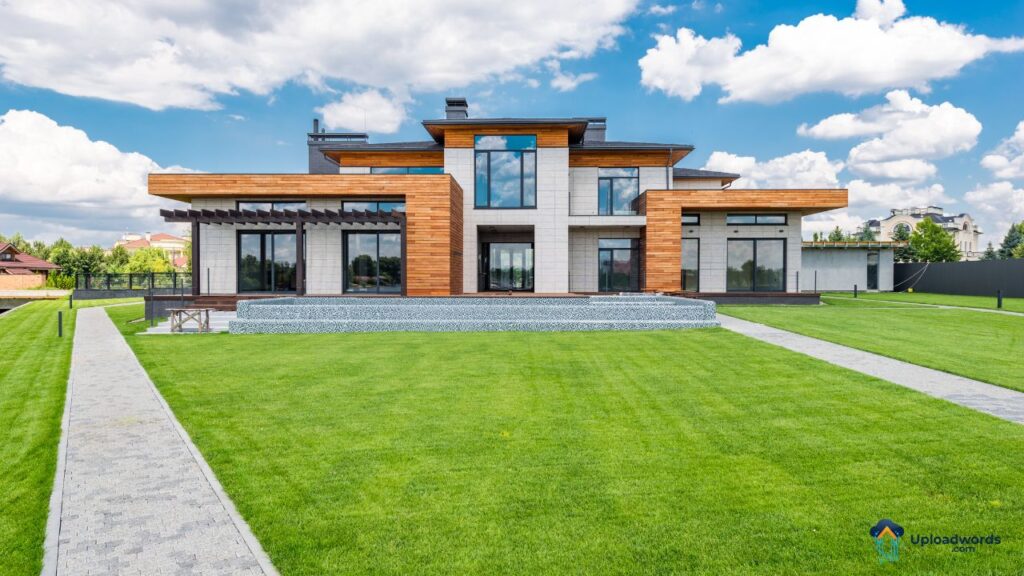
Modern decor focuses on clean lines, functional furniture, and uncluttered spaces. It often includes neutral colors, simple shapes, and materials such as glass, metal, and polished wood.
People who enjoy organized environments and minimal visual distractions often connect with modern design.
Minimalist Style
Minimalism is based on the idea that every item should have a purpose. This style uses fewer decorative pieces, open spaces, and carefully selected furniture.
A minimalist home does not necessarily feel empty. Instead, it emphasizes quality, balance, and thoughtful choices.
Traditional Style
Traditional interiors often feature classic furniture designs, elegant details, and timeless materials. This style may include rich wood finishes, decorative patterns, and symmetrical arrangements.
Traditional decor works well for people who appreciate history, craftsmanship, and classic beauty.
Scandinavian Style
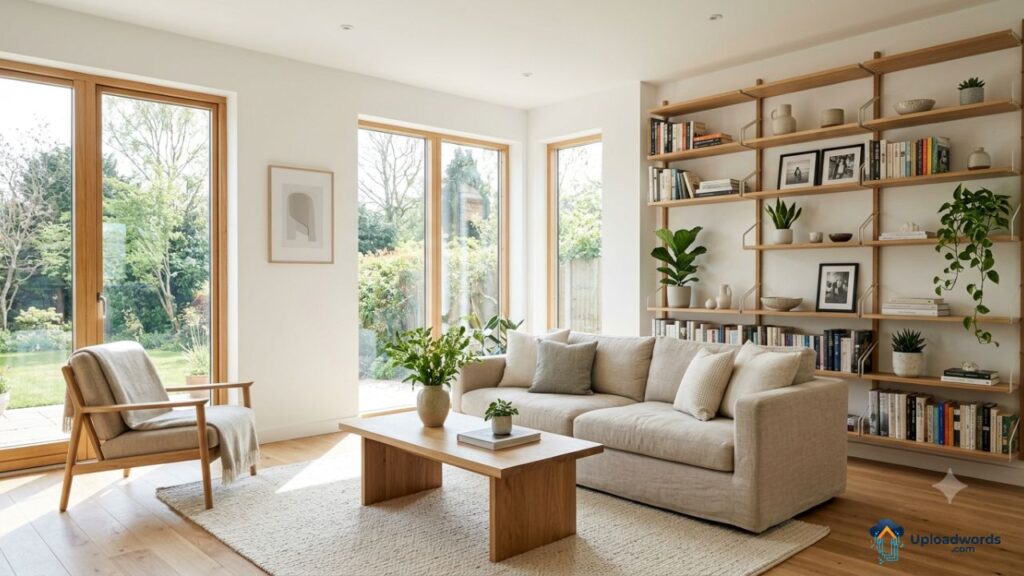
Scandinavian design combines simplicity, comfort, and functionality. It commonly features light colors, natural materials, cozy textiles, and practical furniture.
This style focuses on creating calm and welcoming environments.
Bohemian Style
Bohemian decor celebrates creativity, individuality, and collected items. It often includes layered fabrics, plants, artwork, handmade pieces, and global influences.
This style works well for people who enjoy expressing personality through unique objects.
Industrial Style
Industrial design takes inspiration from warehouses and urban spaces. It commonly uses exposed materials such as metal, brick, concrete, and reclaimed wood.
The style creates a strong visual identity with a mix of raw textures and practical elements.
Create a Personal Color Palette
Color is one of the strongest elements in defining a home’s atmosphere. Your preferred colors can reveal a lot about your design personality.
Start by selecting:
A Main Color
This is the dominant shade used throughout larger areas such as walls, sofas, or rugs. Neutral colors like beige, white, gray, and soft earth tones create flexibility.
Supporting Colors
Secondary colors add depth and personality. These can appear through furniture, curtains, artwork, or accessories.
Accent Colors
Accent colors create visual interest. They are often introduced through smaller decorative pieces such as cushions, lamps, or artwork.
A balanced color palette helps different rooms feel connected while still allowing each space to have its own character.
Consider Your Lifestyle Before Choosing Design
A beautiful home should also be practical. Your lifestyle plays an important role in determining the right decor style.
For example:
- Families with children may prefer durable materials and easy-to-clean surfaces.
- People who work from home may need functional office spaces.
- Those who entertain frequently may prioritize comfortable seating and open layouts.
- Minimal maintenance lovers may prefer simple designs with fewer decorative items.
Good interior design combines appearance with everyday usability.
Mix Styles Without Creating Chaos
Many people believe they must choose only one design style, but modern homes often combine multiple influences. A carefully planned mix can create a more personal result.
For example:
- Modern furniture with vintage accessories
- Scandinavian simplicity with rustic textures
- Traditional architecture with contemporary artwork
The key is maintaining consistency through colors, materials, or repeated design elements.
An eclectic space should feel intentional rather than random. Every piece should contribute something meaningful to the overall design.
Use Meaningful Items to Add Personality
The most memorable homes are not created only through expensive furniture. Personal items often create the strongest emotional connection.
Consider adding:
- Family photographs
- Travel souvenirs
- Handmade artwork
- Vintage pieces
- Books
- Plants
- Personal collections
These details tell your story and make your home feel authentic.
Avoid Following Every Trend
Design trends can provide inspiration, but they should not completely determine your home’s identity. Trends change over time, while personal style develops through your experiences and preferences.
Instead of copying a complete room design, take inspiration from individual elements.
For example:
- Choose a trending color that works with your existing palette.
- Add a popular texture through smaller accessories.
- Update lighting instead of replacing all furniture.
This approach keeps your home fresh without losing its personality.
Evaluate Your Space Before Decorating
Before buying new items, analyze your current space.
Consider:
Room Size
Large furniture may overwhelm smaller rooms, while tiny pieces may feel lost in large areas.
Natural Lighting
Light affects how colors and materials appear. A room with limited natural light may benefit from lighter tones and reflective surfaces.
Existing Features
Architectural details such as fireplaces, windows, flooring, or built-in shelves can influence the overall design direction.
Working with your existing space often creates better results than completely ignoring its characteristics.
Create a Design Plan
Once you understand your preferences, create a simple decorating plan.
Include:
- Preferred colors
- Favorite materials
- Furniture style
- Lighting preferences
- Decorative elements
- Budget priorities
A design plan prevents impulsive purchases and helps you gradually build a cohesive home.
Common Mistakes When Finding Your Decor Style
Copying Someone Else’s Home Completely
A room that looks beautiful online may not match your lifestyle or personality.
Buying Items Without a Plan
Individual purchases can create a disconnected appearance if they do not fit your overall vision.
Ignoring Comfort
A stylish home should also be comfortable and functional.
Changing Styles Too Frequently
Constantly following new trends can prevent you from developing a consistent identity.
FAQs About Defining Your Decor Style
How do I find my personal decor style?
Start by collecting inspiration, analyzing your favorite colors and materials, and identifying patterns in the spaces you enjoy.
Can I combine different decorating styles?
Yes. Many successful interiors combine multiple styles while maintaining consistency through colors, textures, and materials.
Do I need to renovate my home to change my decor style?
No. Small updates such as furniture changes, lighting improvements, textiles, and accessories can significantly transform a space.
Should my entire home have the same style?
Your rooms do not need to look identical, but using connecting elements helps create a harmonious overall design.
How long does it take to develop a decor style?
Developing a personal style is an ongoing process. Many homeowners refine their preferences gradually as they discover what works best for them.
Conclusion
Defining your unique decor style is about creating a home that represents who you are rather than simply following design trends. By understanding your preferences, exploring different styles, choosing meaningful pieces, and considering your lifestyle needs, you can create spaces that feel comfortable and authentic. The best interiors are not defined by expensive decorations or perfect rules; they are defined by personality, intention, and the feeling they create every day.