

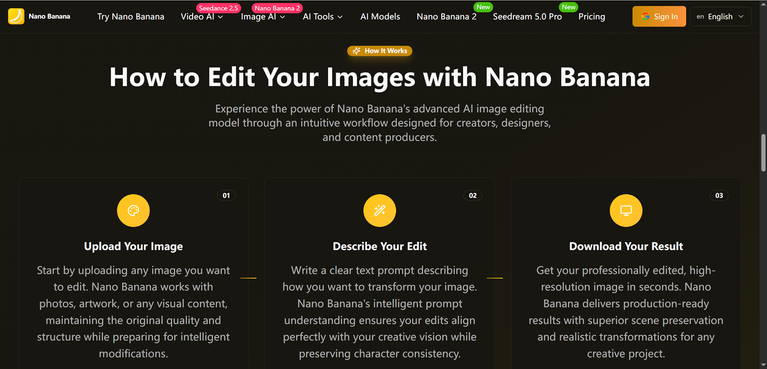
Img alt: Generate high-resolution, custom visual assets effortlessly using the Nano Banana suite for all your creative projects.
AI video is having a main-character year. Seedance 2.5 can build longer audio-video scenes with reference control. MiniMax H3 can create video with sound and supports open local deployment. The clips look smoother, longer, and more useful than older five-second demos.
So do image generators still matter? Absolutely. Video did not delete photography when movies arrived. It added another format. AI creation works the same way.
A still image is fast to inspect. It is easy to edit. It gives creators exact control over a face, outfit, product, or frame. Video needs those stable visual ideas before motion can look intentional.
Nano Banana Pro is Google’s high-fidelity image model, also known as Gemini 3 Pro Image. It supports detailed editing, stronger text rendering, and high-resolution output. Mixboard AI gives users an open canvas for exploring and arranging visual ideas.
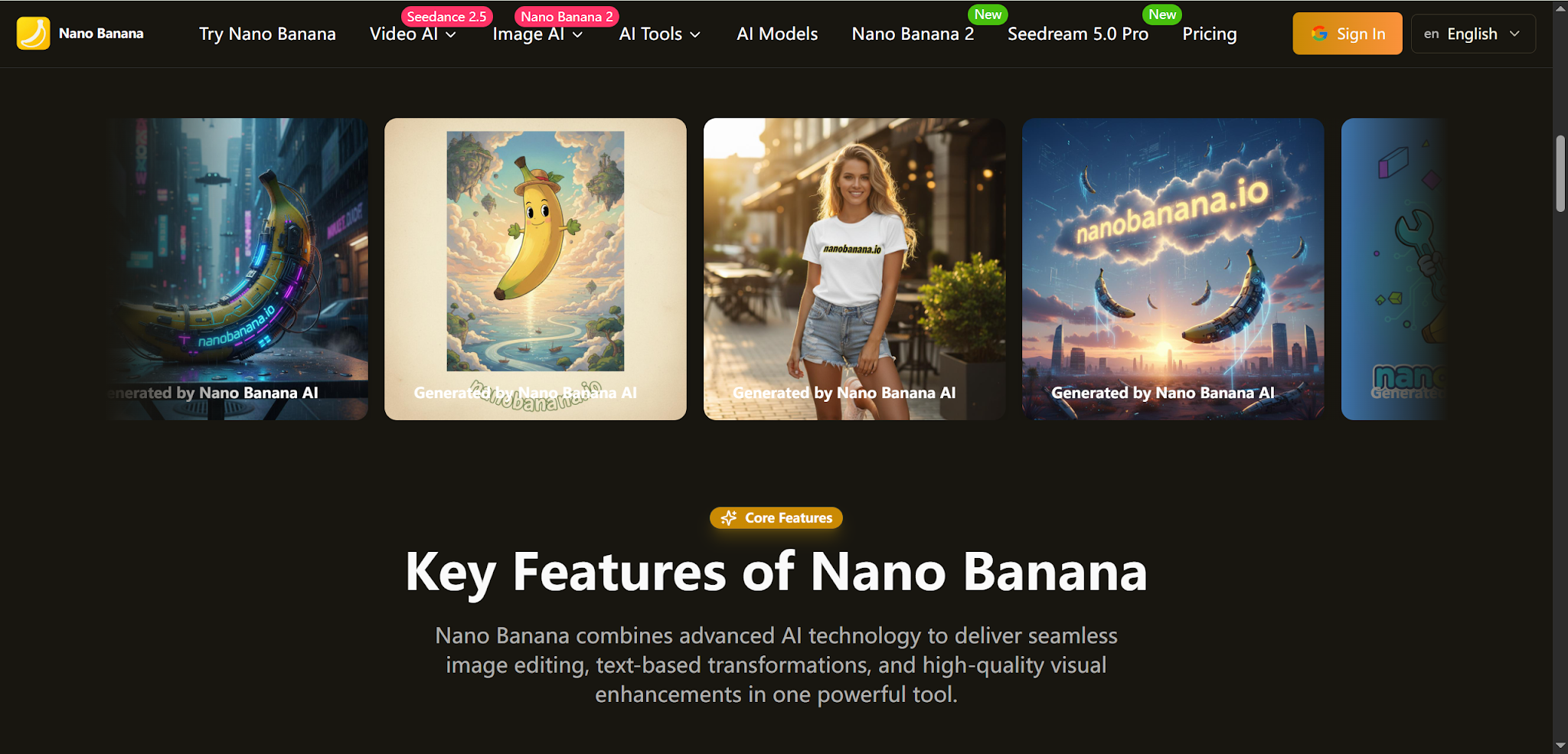
Those tools fit before and beside video. A creator can design the character in nano banana pro, plan the look in Mixboard AI, then send approved frames into Seedance 2.5 or MiniMax H3.
An nsfw ai generator follows the same logic where platform rules allow adult work. First lock the image. Then add motion. Video looks better when the base asset already ate.
AI Video Just Leveled Up Again
Seedance 2.5 is an official ByteDance video model. Its public material focuses on longer scenes, audio-video generation, reference use, and editing. It can generate clips up to thirty seconds in one pass under listed product settings.
MiniMax H3 is another serious release. MiniMax describes it as a multimodal video model that can work with text, images, video, and audio. It can generate video with stereo sound and offers several output shapes.
These features matter because old video models lost the plot fast. A face changed after two seconds. The camera made random moves. Audio came from another tool and never matched.
Video still costs more than one image. It takes longer to generate and longer to judge. A bad thirty-second clip wastes more time than a bad still. That is why video-first does not mean image-last. Creators need fast checkpoints. Stills provide them.
Running MiniMax H3 Locally Takes Real Hardware
MiniMax has released H3 model weights and local deployment guidance. It also lists ComfyUI support. Full 2K output may use a mixed workflow with hosted parts, while local base validation can target lower resolution.
Users should read the current model card before buying hardware. Community quantization may lower memory needs later. It may also change speed or output quality.
Processing bottlenecks move around. The GPU may be full. The CPU may slow decoding. Storage can fill with large video batches. Cooling and electricity matter during long runs.
ComfyUI makes the chain visual, but it does not remove hardware limits. A pretty node graph can still hit an out-of-memory error. For casual creators, an API or hosted service may be cheaper than a new workstation. Local H3 fits people who need control and will use it often.
Video Hype Does Not Make Still Images Obsolete
Video answers one need: motion over time. Images answer another: one exact visual moment. Those jobs overlap, but they are not the same.
A designer can compare ten still concepts in minutes. Ten video drafts take longer and cost more. Choosing the outfit, face, color palette, and camera angle is easier before animation.
Images also work across more places. A thumbnail, poster, character card, store page, and social post all need still assets. A video model does not remove those jobs.
Google has its own video work through Veo, so the company is not simply “quiet” about motion. Nano Banana Pro, the NSFW AI generator, still holds a clear role inside the same wider creative stack. Google even uses image tools inside products that can later create video.
Image Models Build the Assets Video Needs
Strong video often begins with a reference image. The creator locks the character and environment first. Then the motion system gets a cleaner target.
Nano banana can help with quick concept rounds. Nano banana pro can handle more complex composition, editing, and high-resolution output. Public images are not automatically free training data.
Storyboards are another big use. One still per shot can define framing and story order. Seedance 2.5 or MiniMax H3 can then animate selected shots instead of guessing the whole film at once.
For product work, stills help with logo placement and exact design. Nano Banana Pro supports high-resolution visuals and stronger text rendering. That makes it useful for approved base frames.
Even the best video engine needs direction. A text request alone can produce cool chaos. A set of strong images gives the system a lane. This is why image generation remains essential. It turns a vague idea into an asset that video can actually use.
The Best Creative Workflow Uses Both Formats
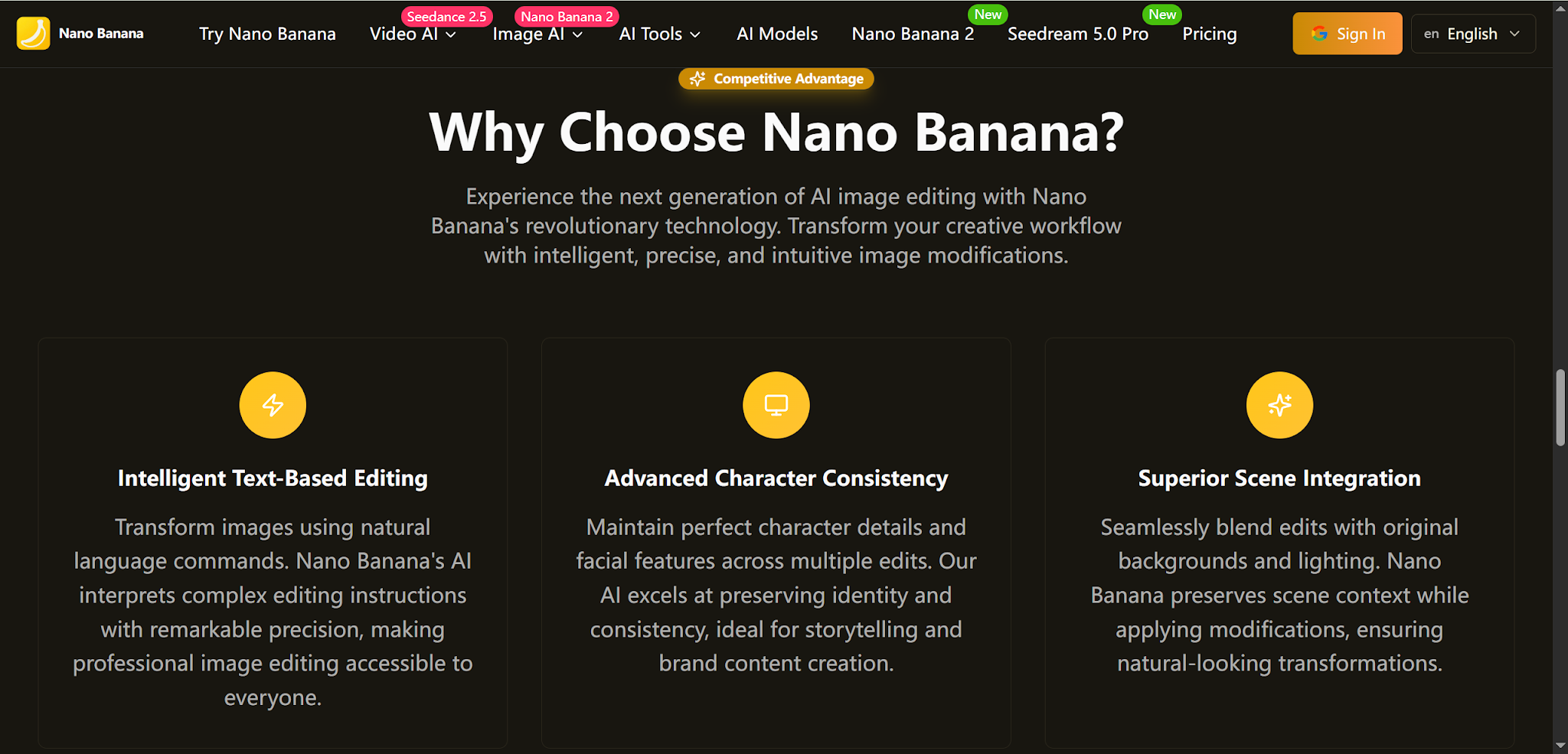
Image and video models are partners. One gives control over a frame. The other gives life across time.This loop saves money. It also gives the creator more control. Video models can focus on movement instead of inventing every visual fact.
Nano Banana remains relevant because every video still contains frames. Those frames need design. They need consistency. They often need a human decision. MiniMax H3 and Seedance 2.5 show how far motion has come. Nano Banana Pro and Mixboard AI show why still-image craft is not leaving. The future is not image versus video. It is image, then video, then image again until the whole thing hits.


