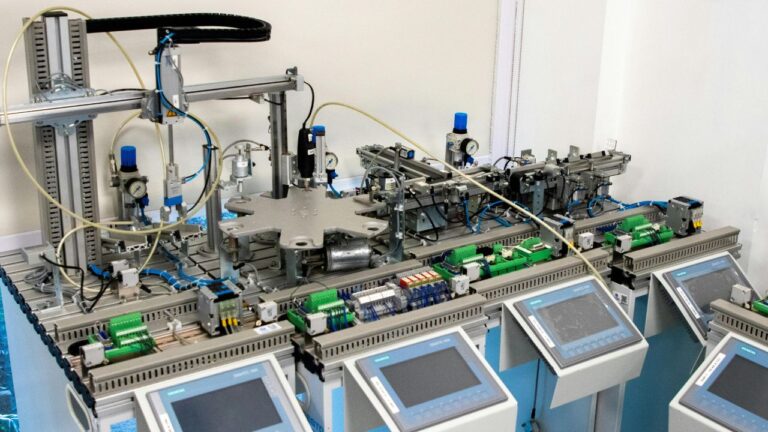
Chicago has long been recognized as one of the United States’ leading industrial and manufacturing hubs. From advanced machinery and automation systems to electrical components and industrial equipment, the city’s manufacturing sector supports businesses across numerous industries. Electrical Manufacturing Chicago continues to play a vital role in producing high-quality electrical products, custom-engineered solutions, and innovative technologies that power commercial, industrial, and infrastructure projects throughout the region and beyond.
What Is Electrical Manufacturing?
Electrical manufacturing involves the design, production, assembly, testing, and distribution of electrical products and systems used in commercial, industrial, and residential applications.
Manufacturers produce a wide range of electrical equipment, including:
- Control panels
- Electrical enclosures
- Circuit breakers
- Switchgear
- Wiring assemblies
- Power distribution systems
- Industrial automation components
- Electrical cabinets
These products help ensure the safe and efficient operation of electrical systems across multiple industries.
Why Chicago Is a Major Manufacturing Hub
Chicago’s strategic location, transportation infrastructure, and skilled workforce have made it a center for industrial manufacturing for decades.
Key advantages include:
- Access to major transportation networks
- Highly skilled engineering workforce
- Strong industrial supply chains
- Manufacturing expertise
- Distribution capabilities
- Access to national and international markets
These factors continue to attract manufacturers serving a wide variety of industries.
Electrical Manufacturing Services in Chicago
Electrical manufacturers often provide comprehensive services beyond product fabrication.
Custom Electrical Panel Manufacturing
Control panels are designed to manage and monitor electrical systems within industrial facilities.
Custom panel services may include:
- PLC control panels
- Motor control centers
- Automation panels
- Power distribution panels
- Operator interface panels
Each panel is engineered according to project specifications and applicable industry standards.
Electrical Enclosure Fabrication
Electrical enclosures protect sensitive equipment from environmental conditions, dust, moisture, and accidental contact.
Common enclosure materials include:
- Stainless steel
- Carbon steel
- Aluminum
- Fiberglass
Manufacturers often produce custom enclosures to accommodate specialized equipment and installation requirements.
Industrial Automation Solutions
Modern manufacturing increasingly relies on automation to improve efficiency and consistency.
Electrical manufacturers may support automation through:
- PLC integration
- Human-machine interface (HMI) systems
- Variable frequency drives (VFDs)
- Sensor integration
- Industrial networking
- Process control systems
Automation solutions help businesses improve productivity while reducing manual intervention.
Wiring and Cable Assembly
Many manufacturers provide custom wiring harnesses and cable assemblies for industrial equipment, machinery, and electronic systems.
These assemblies are produced according to customer specifications and quality standards.
Industries Served
Electrical manufacturers in Chicago support a diverse range of industries.
These include:
- Manufacturing
- Food processing
- Oil and gas
- Water treatment
- Energy
- Healthcare
- Transportation
- Construction
- Data centers
- Renewable energy
Each industry requires electrical systems designed to meet its unique operational requirements.
Benefits of Working with an Electrical Manufacturer
Custom Engineering
Manufacturers can design products that match specific operational requirements instead of relying solely on standard components.
Quality Assurance
Many manufacturers implement rigorous testing procedures throughout the production process to help ensure product quality and reliability.
Technical Expertise
Experienced engineers and technicians provide valuable support during design, manufacturing, and implementation.
Scalable Production
Manufacturers can often accommodate both small production runs and large-scale industrial projects.
Ongoing Support
Many companies provide maintenance support, technical consultation, and product updates after installation.
Importance of Quality Standards
Electrical products should be manufactured according to applicable industry standards and regulatory requirements.
Depending on the product and application, manufacturers may follow standards established by organizations such as:
- UL (Underwriters Laboratories)
- NEC (National Electrical Code)
- IEEE
- NFPA
- ISO
Specific certifications and compliance requirements vary depending on the product, industry, and intended application.
Emerging Technologies in Electrical Manufacturing
Technological innovation continues to reshape electrical manufacturing.
Current trends include:
- Smart manufacturing
- Industrial Internet of Things (IIoT)
- Artificial intelligence
- Robotics
- Digital monitoring
- Predictive maintenance
- Energy-efficient electrical systems
- Cloud-connected industrial controls
These technologies help manufacturers improve production efficiency and product performance.
Choosing the Right Electrical Manufacturing Partner
Selecting the right manufacturing company is an important business decision.
Consider the following factors:
Engineering Experience
Look for manufacturers with proven expertise in electrical design and industrial applications.
Custom Manufacturing Capabilities
Choose a company capable of producing customized solutions based on your technical requirements.
Quality Control
Review the manufacturer’s testing procedures and quality assurance processes.
Project Management
Strong project management helps ensure timely production and effective communication throughout the project.
Customer Support
Reliable technical support and responsive customer service contribute to successful long-term partnerships.
Sustainability in Electrical Manufacturing
Many manufacturers are adopting environmentally responsible practices to reduce waste and improve energy efficiency.
Examples include:
- Energy-efficient production equipment
- Material recycling programs
- Sustainable manufacturing processes
- Waste reduction initiatives
- Environmentally responsible packaging
Sustainability continues to become an important consideration across the manufacturing industry.
Future Outlook
The future of electrical manufacturing in Chicago remains closely connected to advances in automation, digital transformation, renewable energy, and smart infrastructure.
Growing investment in industrial modernization is expected to increase demand for:
- Intelligent control systems
- Energy-efficient equipment
- Smart electrical components
- Industrial automation
- Connected manufacturing technologies
Manufacturers that continue investing in innovation are well positioned to support evolving industry requirements.
Frequently Asked Questions
What is electrical manufacturing?
Electrical manufacturing involves designing, producing, assembling, and testing electrical products and systems used across commercial, industrial, and infrastructure applications.
What products do electrical manufacturers produce?
Manufacturers commonly produce control panels, electrical enclosures, wiring assemblies, switchgear, power distribution equipment, automation systems, and other electrical components.
Why is Chicago important for electrical manufacturing?
Chicago’s skilled workforce, transportation infrastructure, manufacturing history, and access to national markets make it a significant location for industrial manufacturing.
Which industries use electrical manufacturing services?
Manufacturing, healthcare, construction, transportation, energy, food processing, water treatment, and data centers are among the industries that rely on electrical manufacturing solutions.
How do I choose an electrical manufacturing company?
Evaluate engineering expertise, customization capabilities, quality assurance processes, project management experience, technical support, and the manufacturer’s ability to meet your specific operational requirements.
Conclusion
Electrical manufacturing in Chicago continues to support a wide range of industries by delivering high-quality electrical systems, custom-engineered components, and advanced automation solutions. From control panels and electrical enclosures to industrial automation and power distribution equipment, manufacturers play a critical role in helping businesses operate safely and efficiently. By partnering with an experienced electrical manufacturing company that emphasizes engineering excellence, quality standards, and customer support, organizations can implement reliable electrical solutions that contribute to long-term operational success.