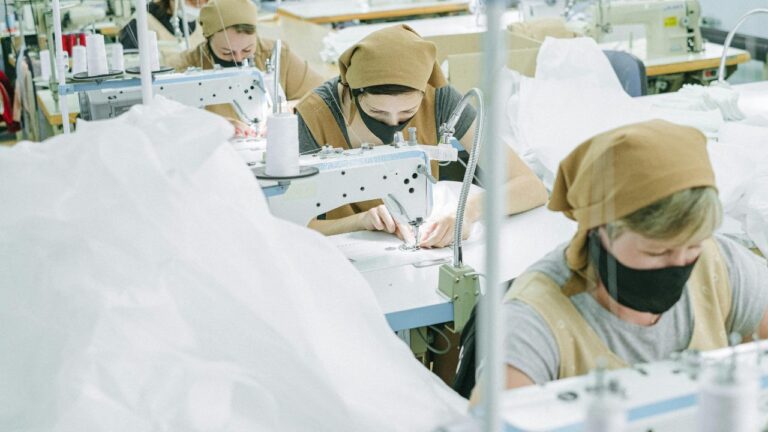
Ethical clothing manufacturers are apparel producers committed to fair labor practices, safe working conditions, sustainable sourcing, and environmentally responsible production. As consumers increasingly demand transparency in fashion, brands are seeking manufacturing partners that align with ethical and sustainability standards.
This guide explains what makes a clothing manufacturer ethical, how to evaluate suppliers, and the benefits of responsible production.
What Are Ethical Clothing Manufacturers?
Ethical clothing manufacturers prioritize:
- Fair wages
- Safe working conditions
- No child or forced labor
- Transparent supply chains
- Eco-friendly materials
- Reduced environmental impact
These manufacturers aim to create garments without exploiting workers or harming the planet.
Key Principles of Ethical Manufacturing
1. Fair Labor Practices
Ethical factories ensure:
- Legal working hours
- Fair compensation
- Worker protections
- No discrimination
- Freedom of association
Compliance with labor laws is fundamental.
2. Safe Working Conditions
Manufacturers must maintain:
- Proper ventilation
- Fire safety systems
- Clean facilities
- Protective equipment
Worker health and safety are non-negotiable standards.
3. Sustainable Materials
Responsible manufacturers use:
- Organic cotton
- Recycled polyester
- TENCEL™
- Hemp
- Bamboo
- Low-impact dyes
Material choice significantly affects environmental impact.
4. Environmental Responsibility
Ethical producers reduce:
- Water consumption
- Carbon emissions
- Chemical pollution
- Textile waste
Some operate under sustainability certifications.
Certifications to Look For
When evaluating ethical clothing manufacturers, look for recognized certifications:
- Fair Trade Certified
- GOTS (Global Organic Textile Standard)
- WRAP (Worldwide Responsible Accredited Production)
- OEKO-TEX
- B Corp Certification
Certifications increase accountability and transparency.
Benefits of Working with Ethical Manufacturers
Brands that partner with ethical manufacturers benefit from:
- Stronger brand reputation
- Customer trust
- Long-term sustainability
- Reduced legal risk
- Transparent supply chains
Consumers increasingly prefer responsibly produced clothing.
Challenges in Ethical Manufacturing
Ethical production may involve:
- Higher upfront costs
- Limited material availability
- Smaller factory capacity
- Stricter compliance requirements
However, long-term benefits often outweigh these challenges.
How to Choose an Ethical Clothing Manufacturer
1. Request Documentation
Ask for:
- Certification proof
- Audit reports
- Labor policies
- Environmental impact reports
2. Visit Facilities (If Possible)
On-site visits confirm working conditions and production standards.
3. Review Supply Chain Transparency
Ensure suppliers can trace material sourcing.
4. Evaluate Communication
Ethical manufacturers typically provide clear and honest communication.
Popular Regions for Ethical Clothing Manufacturing
Ethical apparel manufacturers operate in:
- United States
- Canada
- Portugal
- India (certified facilities)
- Vietnam (regulated factories)
- Turkey
- United Kingdom
Standards vary by factory, not just by country.
Fast Fashion vs Ethical Production
Fast fashion focuses on:
- Low cost
- Rapid production
- High volume
- Minimal oversight
Ethical manufacturing emphasizes:
- Worker welfare
- Sustainability
- Quality over quantity
- Responsible sourcing
Consumer awareness is shifting demand toward ethical alternatives.
Frequently Asked Questions
1. What makes a clothing manufacturer ethical?
Fair labor practices, safe working conditions, and sustainable production methods.
2. Are ethical clothing manufacturers more expensive?
They may have higher costs due to fair wages and sustainable materials.
3. How can I verify a factory’s ethical claims?
Request certifications and independent audit documentation.
4. Is organic cotton always ethical?
Organic cotton reduces chemical use but must also be produced under fair labor conditions.
5. Why is ethical manufacturing important?
It protects workers, reduces environmental damage, and promotes sustainable fashion.
Conclusion
Ethical clothing manufacturers play a critical role in creating sustainable and socially responsible fashion. By prioritizing fair wages, safe conditions, and environmentally friendly materials, they offer a responsible alternative to fast fashion production. Brands and consumers alike benefit from supporting ethical supply chains that promote transparency, accountability, and long-term sustainability in the apparel industry.