

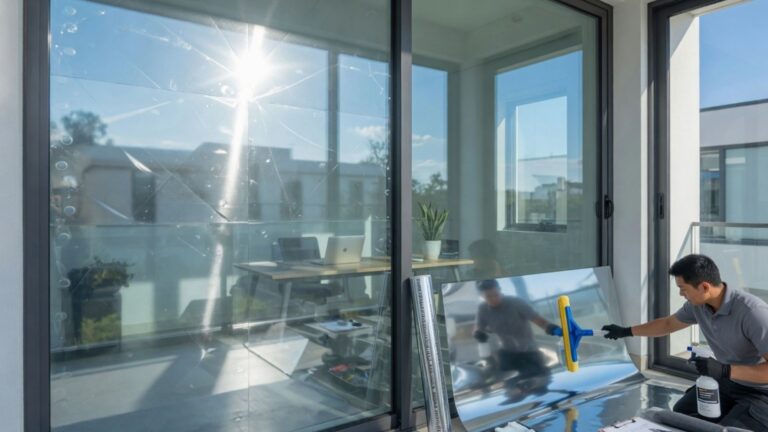
Large windows can make a property feel bright, open, and modern, but they can also create problems with heat, glare, fading interiors, and lack of daytime privacy. Solar reflective window film is a practical glazing upgrade designed to reflect a portion of solar energy away from the glass, helping rooms feel more comfortable while reducing glare and improving privacy during daylight hours. It is commonly used in homes, offices, conservatories, shopfronts, schools, healthcare settings, and commercial buildings where sunlight control matters.
Unlike replacing windows, solar control film is applied directly to existing glass. This makes it a less disruptive option for improving comfort and performance. However, not every reflective film is suitable for every property or glass type. The best results depend on choosing the right film, using professional installation, and understanding what reflective window film can and cannot do.
This guide explains how it works, where it is useful, what benefits to expect, and what to consider before installation.
What Is Solar Reflective Window Film?
Solar reflective window film is a thin, specialist film applied to glass to help manage sunlight, heat, glare, and visibility. It usually contains reflective or metallic layers that reduce the amount of solar energy passing through the window.
The film can be installed on residential or commercial glazing and may be available in different shades, reflectivity levels, and performance ratings. Some films look highly mirrored, while others are more subtle and neutral.
Solar reflective film may help with:
- Solar heat reduction
- Glare control
- UV protection
- Daytime privacy
- Interior fading reduction
- Improved comfort near windows
- Reduced reliance on cooling systems
- More consistent indoor conditions
It is important to choose a film based on performance data rather than appearance alone. Two films may look similar but perform differently in heat rejection, visible light transmission, UV control, and reflectivity.
How Solar Reflective Window Film Works
Solar reflective window film works by reflecting and absorbing portions of the sun’s energy before it enters the room. Sunlight includes visible light, infrared heat, and ultraviolet radiation. A good solar control film is designed to reduce some of these elements while still allowing enough daylight for comfort.
Key performance terms include:
- Visible light transmission
- Solar heat rejection
- Glare reduction
- UV rejection
- External reflectance
- Internal reflectance
- Shading coefficient
- Solar heat gain coefficient
Visible light transmission shows how much daylight passes through the glass. A darker or more reflective film usually reduces glare more strongly, but it may also reduce natural light. A lighter film may preserve brightness but provide less glare control.
The right balance depends on the room, window direction, property use, and personal preference.
Benefits of Solar Reflective Window Film
The main benefit is comfort. Rooms with large windows, south-facing glass, conservatories, or exposed office glazing can become too hot or bright during sunny periods. Reflective film can help reduce solar gain and make the space easier to use.
Common benefits include:
- Cooler indoor conditions during sunny weather
- Reduced screen glare in offices
- More comfortable conservatories and living areas
- Daytime privacy from outside views
- Protection for furniture, flooring, and artwork
- Lower strain on air conditioning systems
- Improved working comfort for staff
- Less need for blinds during the day
- More professional exterior appearance for commercial buildings
For businesses, glare reduction can be especially valuable. Employees working near windows may struggle with screen visibility, eye strain, and uneven temperatures. Solar film can help create a more consistent workplace environment.
Solar Reflective Window Film for Homes
In homes, solar reflective window film is often installed in rooms that overheat, receive strong sun, or need daytime privacy. Common areas include conservatories, garden rooms, patio doors, kitchens, bedrooms, home offices, and living rooms.
It may be useful if:
- Your room becomes too hot in summer
- Sunlight makes TV or computer screens difficult to see
- Furniture or flooring is fading
- You want daytime privacy without closing curtains
- You want to keep natural light while reducing glare
- Your conservatory is uncomfortable during sunny weather
Homeowners should consider how the film will look from both inside and outside. Reflective finishes can change the appearance of windows, so it is worth reviewing samples before choosing.
Solar Reflective Window Film for Offices and Commercial Buildings
Commercial properties often use reflective window film to improve energy performance, comfort, privacy, and building appearance. Offices with large glass areas can experience excessive heat gain and glare, especially during summer or on south- and west-facing elevations.
Commercial uses may include:
- Office windows
- Meeting rooms
- Reception areas
- Retail shopfronts
- Schools and universities
- Healthcare buildings
- Hotels
- Gyms and leisure centres
- Industrial offices
- Public buildings
For commercial sites, solar film can also support workplace productivity by reducing uncomfortable temperature differences and screen glare. It may also give buildings a cleaner, more uniform exterior appearance.
Solar Reflective Window Film and Daytime Privacy
Reflective film can improve daytime privacy by making windows harder to see through from outside when exterior light is brighter than interior light. This is useful for ground-floor rooms, offices, treatment rooms, meeting spaces, and street-facing windows.
However, daytime privacy film has an important limitation. At night, when lights are on inside and it is darker outside, the privacy effect may reverse. People outside may be able to see in more easily unless blinds or curtains are used.
If privacy is needed both day and night, additional solutions such as blinds, curtains, frosted film, or specialist privacy glass may be required.
UV Protection and Interior Fading
Sunlight can fade flooring, furniture, artwork, fabrics, product displays, and interior finishes over time. UV rays are a major contributor to fading, although heat and visible light also play a role.
Solar reflective film often includes UV protection, helping reduce one of the main causes of interior fading. This can be useful for:
- Wooden floors
- Sofas and curtains
- Retail displays
- Artwork and photos
- Carpets and rugs
- Office furniture
- Restaurant interiors
No window film can prevent fading completely, but reducing UV exposure can help slow the process.
Choosing the Right Solar Reflective Window Film
The best film depends on your priorities. Some people want maximum heat rejection. Others want a lighter finish that preserves more daylight. Some need strong daytime privacy, while others prefer a subtle appearance.
Before choosing, consider:
- Window direction
- Room temperature issues
- Glare level
- Desired privacy
- Natural light preference
- Exterior appearance
- Glass type
- Warranty terms
- Installation method
- Residential or commercial use
A professional installer can help assess glass compatibility and recommend suitable film options. This is especially important for double glazing, laminated glass, low-e coatings, or unusual glass types.
Professional Installation Matters
Solar reflective window film should be installed carefully for the best finish and performance. Professional installation helps reduce bubbles, contamination, peeling edges, poor trimming, and uneven appearance.
A professional process may include:
- Glass inspection
- Film suitability check
- Surface cleaning
- Accurate measuring and cutting
- Film application
- Squeegee finishing
- Edge trimming
- Drying and curing guidance
After installation, the film may take time to fully dry and cure. Small moisture marks or haze may appear temporarily depending on the product and conditions. Installers should explain what to expect and how to clean the film safely.
Common Mistakes to Avoid
Choosing solar film without proper advice can lead to disappointing results. Common mistakes include:
- Choosing the darkest film without considering daylight loss
- Ignoring glass compatibility
- Expecting nighttime privacy from reflective film
- Using poor-quality DIY film on large windows
- Not checking warranty conditions
- Applying film to damaged glass
- Forgetting about building appearance rules
- Cleaning too soon after installation
- Using abrasive cleaning tools
- Assuming all films perform the same
If you live in a leasehold property, listed building, managed development, or commercial premises, check whether approvals are needed before changing external window appearance.
Maintenance and Cleaning
Once cured, solar reflective window film is usually easy to maintain. Use gentle cleaning methods to avoid scratches or edge damage.
Care tips include:
- Wait before cleaning after installation
- Use soft cloths or non-abrasive tools
- Avoid harsh chemicals
- Do not use sharp blades on the film surface
- Clean gently around edges
- Follow the installer’s care instructions
With proper care, quality window film can provide long-term performance and maintain a clean appearance.
Conclusion: Is Solar Reflective Window Film Worth It?
Solar reflective window film can be a smart upgrade for homes and businesses dealing with excess heat, glare, UV exposure, and daytime privacy concerns. It offers a practical way to improve comfort without replacing existing windows, and it can be tailored to different levels of light, reflectivity, and solar control. The key is choosing the right product for your glass, building, and goals. With professional installation and realistic expectations, solar reflective window film can make rooms more comfortable, protect interiors, and improve the everyday usability of sun-exposed spaces.
FAQs
What is solar reflective window film?
Solar reflective window film is a specialist film applied to glass to reflect solar energy, reduce heat, control glare, and improve daytime privacy.
Does solar reflective window film make rooms darker?
It can reduce visible light depending on the shade and reflectivity. Lighter films preserve more daylight, while darker films provide stronger glare control.
Can solar reflective window film reduce heat?
Yes, it can reduce solar heat gain by reflecting and absorbing part of the sun’s energy before it enters the room.
Does reflective window film provide privacy at night?
Usually no. Reflective film works best for daytime privacy when it is brighter outside than inside. At night, blinds or curtains may still be needed.
Is solar reflective window film suitable for double glazing?
It may be suitable for many double-glazed windows, but glass type and film compatibility should be checked by a professional installer.
How long does solar reflective window film last?
Longevity depends on film quality, installation, glass exposure, and maintenance, but professionally installed films can last for many years.


