

A wintry mix storm can bring freezing rain, sleet, snow, and sudden temperature drops that create dangerous conditions fast. Before it arrives, protect your home, gather essential supplies, and prepare for possible power outages. Ice can damage roofs, freeze pipes, block roads, and interrupt heat and communication when you need them most. Taking a few practical steps early helps reduce property damage and keeps your household safer and more comfortable. The best approach is to prepare your home systems, stock emergency basics, and stay informed as conditions change.
How to Prepare Your Home for Wintry Mix Conditions?
Protect Pipes, Roofs, and Outdoor Areas From Damage
Start by insulating exposed pipes in basements, crawl spaces, garages, and exterior walls to reduce the chance of freezing. Understanding what is wintry mix can help homeowners prepare for the combination of freezing rain, sleet, and snow that can create heavier ice buildup around vulnerable outdoor areas. Disconnect garden hoses, shut off outdoor faucets if possible, and clear gutters so melting ice can drain properly. Trim weak tree limbs that could snap under ice buildup and fall onto your roof, vehicles, or power lines. Move outdoor furniture, grills, and tools into a secure area before precipitation begins. Apply ice melt to walkways and check that roof drainage paths are clear.
Check Heating Systems and Essential Equipment
Test your furnace or boiler before the storm and replace dirty filters so the system runs efficiently during freezing weather. Make sure vents, flues, and air returns stay unobstructed, and confirm that space heaters work properly if you may need supplemental heat. Keep extra fuel on hand for approved heating equipment, and review safe operating instructions. Check smoke alarms and carbon monoxide detectors throughout the home, especially near sleeping areas. If you use a fireplace, clean it and keep dry firewood ready.
Prepare Backup Power for Important Devices
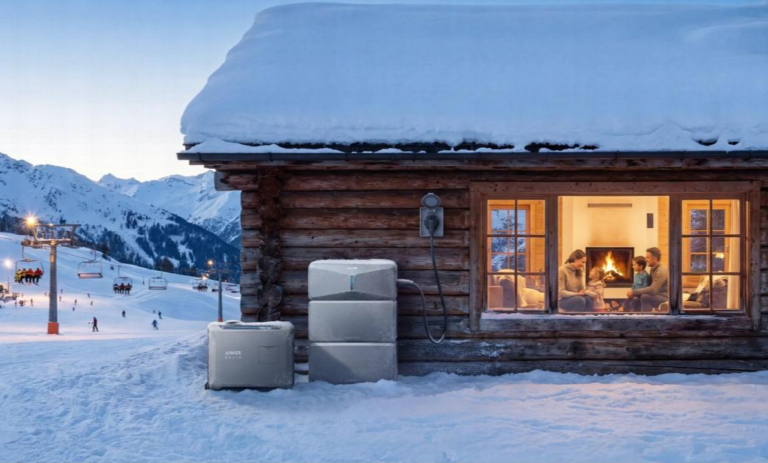
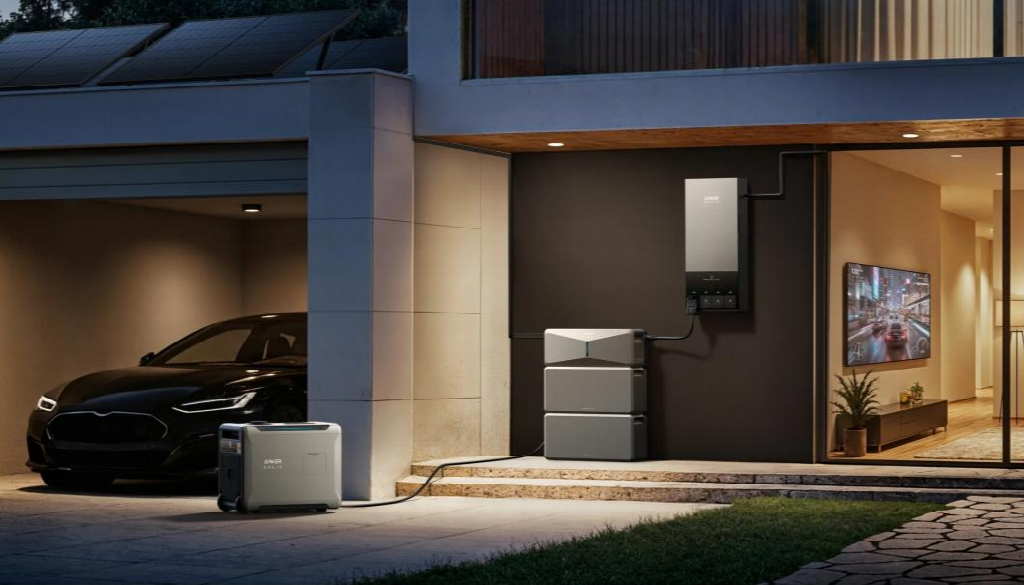
Plan for outages by identifying the devices that matter most, such as refrigerators, medical equipment, internet gear, phones, and small heaters. A backup power system should be ready before freezing rain arrives, not after service fails. The Anker SOLIX E10 offers 10-30kW Turbo Output, 7.6 – 22.8kW Rated Output, and 6-90kWh battery expandability for broader home backup needs. It operates in temperatures as low as -4 °F and includes premium waterproofing and thermal protection built to withstand blizzards and severe winter conditions.
What Supplies Should You Have Before a Wintry Mix Storm?
Store Emergency Food, Water, and Lighting Supplies
Keep at least several days of easy-to-prepare food, bottled water, and basic household essentials in one accessible place. Choose shelf-stable items that do not require much cooking, especially if outages affect your kitchen appliances. Store extra infant supplies, pet food, medications, and hygiene items if your household needs them. For lighting, keep flashlights, battery-powered lanterns, and spare batteries ready instead of relying on candles. A manual can opener, paper goods, and a simple first aid kit also make storm disruptions easier to manage safely.
Keep Devices Charged and Communication Ready
Charge phones, tablets, rechargeable batteries, and backup power banks before the first round of ice or sleet begins. Download weather apps, emergency alerts, offline maps, and important contact information in case internet or cellular service becomes unreliable. If you work from home or depend on medical monitoring, make a communication plan with family, neighbors, or caregivers. Keep vehicle chargers available and store essential numbers on paper as a backup. Staying connected helps you receive warnings, report problems, and check on others during extended winter weather.
Prepare Winter Safety Tools and Cold Weather Gear
Gather practical winter tools before roads and walkways become slick. Keep snow shovels, ice scrapers, traction material such as sand or salt, and approved ice melt where you can reach them quickly. Stock warm blankets, insulated gloves, hats, waterproof boots, thick socks, and layered clothing for each household member. If travel becomes necessary, place a winter car kit in your vehicle with snacks, water, a flashlight, jumper cables, and a blanket. These basics help prevent cold stress, slips, and avoidable emergencies during severe conditions.
How to Stay Ready During a Long Wintry Mix Event?
Manage Energy Use During Potential Outages
Use energy carefully once the storm is underway so backup power and home heat last longer. Set refrigerators and freezers to colder temperatures beforehand, then keep doors closed as much as possible during an outage. Concentrate activities in one or two rooms to conserve warmth, and close doors to unused spaces. Unplug nonessential electronics to reduce unnecessary drain and protect devices when service returns. If you use backup power, prioritize heating equipment, refrigeration, lighting, and critical communication devices over less important household loads.
Keep Monitoring Weather and Home Conditions
Continue checking local forecasts, emergency alerts, and utility updates throughout the event because wintry mix conditions can shift quickly from sleet to freezing rain or snow. Watch for signs of ice accumulation on trees, power lines, steps, and railings around your home. Inside, monitor indoor temperatures, pipe-prone areas, and any signs of roof leaks or water intrusion. If conditions worsen, move vehicles away from heavy branches and avoid unnecessary travel. Staying alert helps you respond early to hazards instead of reacting after damage or outages occur.
Conclusion
Before a wintry mix storm hits, the most important steps are simple: protect your home, prepare for outages, stock essential supplies, and keep monitoring conditions. Insulating pipes, checking heat, clearing drainage areas, and securing outdoor spaces can reduce expensive damage. Food, water, lighting, warm clothing, and charged devices help your household stay safer if roads become impassable or power goes out. Backup power also adds resilience during long winter events. With practical preparation done ahead of time, you can face freezing rain, sleet, and snow with far more confidence.


