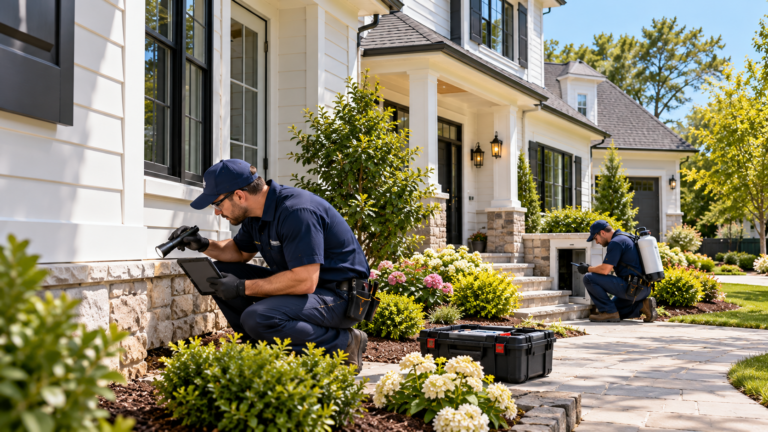
Pest problems can turn a comfortable home into a source of constant frustration. Ants in kitchen cabinets, mice in storage areas, termites near wooden structures, and mosquitoes around outdoor living spaces all require different approaches. For homeowners looking for dependable local assistance, Agile Pest Control offers residential and commercial pest management services from its base in Holmdel, New Jersey. The company provides pest inspections, targeted treatments, preventive maintenance programs, and services for common insects and rodents. Understanding how professional pest management works can help property owners choose appropriate solutions, avoid unnecessary chemical exposure, and reduce conditions that encourage future infestations.
A successful approach begins with identifying the pest, locating its source, and understanding why it entered the property. Instead of treating every problem with the same product, experienced pest management professionals evaluate the building and recommend methods appropriate for the particular infestation.
What Is Agile Pest Control?
Agile Pest Control is a pest management company headquartered in Holmdel, New Jersey, serving residential and commercial customers in surrounding communities.
Its advertised services include general household pest management, rodent control, termite protection, bed bug treatments, stinging insect management, and selected wildlife services.
The company also provides mosquito and tick management, along with recurring residential protection programs.
For businesses, it advertises integrated pest management programs based on property inspections, monitoring, prevention, and treatments when necessary.
Residential Pest Management
Residential services focus on identifying and managing pest problems in homes and surrounding areas.
Different properties experience different pest pressures because of their construction, landscaping, moisture conditions, and maintenance history.
A tailored inspection allows the technician to consider these differences before recommending a solution.
Commercial Pest Management
Commercial properties may require more extensive monitoring, documentation, and coordination.
Restaurants, offices, warehouses, and other facilities can have distinct sanitation, storage, and operational considerations.
An organized commercial pest management program should reflect those requirements.
Why Pest Prevention Matters for New Jersey Properties
New Jersey’s changing seasons influence when different pests become noticeable.
Warm and humid conditions can support mosquito activity, while some insects become more visible around homes during spring and summer.
As temperatures change, rodents and certain overwintering insects may seek sheltered locations.
Pest behavior also depends on food availability, moisture, nearby vegetation, and building access.
A property with poorly sealed openings and accessible food sources may be more vulnerable to repeated pest activity.
Effective prevention therefore requires more than addressing pests already visible inside the home.
Nine Important Elements of an Effective Pest Management Plan
Homeowners can improve their pest management decisions by understanding the major components of professional treatment and prevention.
These considerations help explain how a comprehensive program works and what customers should expect.
1. Begin With Accurate Pest Identification
Different pests require different control methods.
An ant infestation cannot automatically be managed using the same approach as a rodent problem.
Likewise, identifying a termite requires different technical knowledge from identifying a common household beetle.
Accurate identification allows the technician to understand the pest’s behavior, likely hiding places, and relevant control options.
Examine the Evidence
Professionals may evaluate visible insects, droppings, damaged materials, nesting activity, or other signs.
Some problems require further examination because different pests can produce similar symptoms.
For example, small piles of debris near wood do not always indicate termites.
An inspection should establish the cause rather than rely on assumptions.
Avoid Treating Unknown Insects
Applying pesticides before identifying the pest may be ineffective or unnecessary.
Some insects found around homes are harmless or beneficial.
A qualified professional can help determine whether treatment is justified.
2. Conduct a Thorough Property Inspection
A useful pest inspection considers both the immediate infestation and the environmental conditions that may support it.
Technicians may examine accessible interior rooms, exterior walls, foundation openings, storage areas, and landscaping.
The scope depends on the reported problem and property access.
Locate Possible Entry Points
Small gaps around utility connections, damaged weatherstripping, and openings around building materials can provide access for certain pests.
Rodents are particularly capable of entering through surprisingly small openings.
Identifying these locations helps establish suitable exclusion recommendations.
Investigate Moisture Problems
Water leaks, persistent dampness, and standing water may create favorable conditions for certain pests.
Correcting moisture problems can be an important part of prevention.
The inspection should distinguish between conditions requiring pest treatment and building defects that need a separate repair professional.
3. Use Integrated Pest Management Principles
Integrated Pest Management, commonly called IPM, is an evidence based approach that combines monitoring, prevention, and appropriate pest control methods.
The United States Environmental Protection Agency promotes IPM as a way to manage pest problems while reducing unnecessary risks to people, property, and the environment.
Agile Pest Control identifies IPM as part of its advertised commercial pest management approach.
Monitor Before Selecting Treatments
A professional should consider the pest species, extent of activity, and conditions contributing to the problem.
Monitoring helps determine whether an intervention is necessary and whether previous measures have been effective.
Combine Suitable Control Methods
An IPM program may include sanitation improvements, exclusion, habitat modification, monitoring devices, mechanical controls, and carefully selected pesticides.
No single method works for every pest.
Use Pesticides Judiciously
Chemical treatments should be selected according to the pest, treatment location, and applicable product label.
The objective is to manage the identified problem rather than apply products indiscriminately.
4. Address Rodent Activity and Entry Points
Mice and rats can contaminate stored materials, damage certain building components, and create sanitation concerns.
Signs of activity may include droppings, gnaw marks, disturbed food packaging, and noises in concealed spaces.
Agile Pest Control advertises residential and commercial rodent management services.
Identify Food and Shelter Sources
Accessible food, household clutter, and sheltered storage areas can support rodent activity.
Food should be stored in suitable containers, and waste should be managed appropriately.
Include Exclusion in the Plan
Professional recommendations may include sealing suitable openings and correcting damaged access points.
These measures should account for ventilation requirements and the building’s construction.
Handle Rodent Waste Safely
The Centers for Disease Control and Prevention advises against sweeping or vacuuming untreated rodent droppings because contaminated particles may become airborne.
Affected materials should be handled using appropriate disinfection procedures and protective measures.
Heavy infestations or contaminated ventilation systems may require professional cleanup.
5. Protect Wooden Structures From Termites
Termites can damage wood and other cellulose containing materials within buildings.
Some infestations remain concealed for extended periods, making professional inspection valuable when warning signs appear.
Agile Pest Control advertises termite services and includes termite monitoring within certain residential protection plans.
Recognize Possible Termite Activity
Potential indicators include discarded wings, mud tubes associated with subterranean termites, and damaged wood.
These signs require professional interpretation.
Not every damaged wooden component has been affected by termites.
Understand Termite Monitoring
Certain termite management programs use monitoring or bait stations installed at selected locations.
The appropriate arrangement depends on the pest species, building conditions, and product requirements.
Avoid Guarantees About Structural Safety
Pest control treatment and structural repair are separate activities.
If significant wood damage is suspected, a qualified building professional may need to evaluate the affected materials.
Termite protection cannot guarantee that a structure will never experience another infestation.
6. Manage Ants and Other Crawling Insects
Ants, cockroaches, and certain spiders are common concerns in residential properties.
Their management depends on identifying the species and understanding the conditions supporting their presence.
Agile Pest Control lists ant control, cockroach management, and general crawling insect services among its offerings.
Understand Ant Activity
Some ants enter homes while searching for food and moisture.
Others may establish colonies within or near buildings.
The correct treatment depends on the species and colony location.
Carpenter ants deserve particular attention when activity suggests nesting in wooden building components.
Improve Indoor Sanitation
Cleaning food residue, storing pantry items correctly, and limiting accessible moisture can reduce some conditions that attract pests.
These actions may support professional treatment but do not always eliminate established infestations.
Avoid Unnecessary Indoor Spraying
A technician should explain the proposed treatment locations and why they are appropriate.
Some infestations can be managed through targeted approaches rather than treating every accessible surface.
7. Address Stinging Insects and Seasonal Outdoor Pests
Wasps, hornets, mosquitoes, and ticks can affect outdoor comfort and create specific health or safety concerns.
Agile Pest Control advertises management services for these pest categories.
Recognize Stinging Insect Hazards
Stinging insect nests may appear beneath roof overhangs, near exterior fixtures, or in other sheltered locations.
Disturbing an active nest can cause defensive behavior.
People with known severe insect sting allergies should exercise particular caution.
Homeowners should avoid attempting to remove difficult or dangerous nests themselves.
Reduce Mosquito Breeding Conditions
Mosquitoes require water for their immature stages.
Emptying or properly maintaining containers that hold standing water can help reduce breeding opportunities.
Gutters, outdoor containers, and other water collecting areas deserve attention.
Understand Tick Prevention
Ticks may be encountered in grassy or wooded environments.
Landscape management and personal protective measures can complement professional control services.
No outdoor treatment can ensure that a property will remain completely free of mosquitoes or ticks.
8. Choose an Appropriate Recurring Protection Program
Some pest problems can be resolved through a defined treatment plan.
Other situations benefit from periodic inspections, monitoring, and preventive services.
Agile Pest Control advertises multiple residential protection packages.
Its published programs include Essential, Complete, and Premier service tiers.
Essential Residential Protection
The Essential plan advertises coverage for a broad range of common household pests, scheduled visits, and additional service access under plan conditions.
It may be relevant to homeowners seeking general pest prevention.
Complete Protection
The Complete plan includes additional seasonal services and termite monitoring among its advertised features.
Customers should review which activities are included rather than assuming every pest receives the same service.
Premier Protection
The Premier plan advertises broader seasonal coverage, including mosquito control and tick mitigation.
It may be relevant to properties with more varied outdoor pest concerns.
Compare the Actual Plan Terms
Published package features can change.
Before enrolling, confirm treatment frequency, covered pests, response arrangements, exclusions, cancellation terms, and applicable service guarantees.
The best plan depends on the property’s needs rather than the number of advertised benefits alone.
9. Monitor Results and Prevent Recurring Infestations
Professional pest management should include a process for evaluating whether the selected treatment has worked.
The appropriate follow up schedule depends on the pest and treatment strategy.
Record Changes in Activity
Homeowners can keep a simple record of pest sightings, locations, and recurring conditions.
This information can help the technician identify patterns and determine whether additional measures are appropriate.
Complete Recommended Prevention Work
If an inspection identifies damaged weatherstripping, moisture problems, or unsuitable food storage, addressing these conditions can improve the overall management plan.
Treatment alone may not resolve a persistent environmental cause.
Understand Retreatment Policies
Agile Pest Control advertises service guarantees and retreatment support, subject to its terms.
Customers should confirm the conditions and reporting period before relying on a particular guarantee.
No responsible pest management provider should promise that every pest will disappear permanently after one appointment.
Residential Pest Control Services Offered by Agile Pest Control
The company’s published residential services cover several common household pest categories.
General Household Pest Prevention
General pest management can address recurring concerns involving ants, spiders, crawling insects, and selected seasonal pests.
Treatment selection depends on species identification and inspection findings.
Bed Bug Treatment
Bed bugs are difficult to control because they can hide in small spaces and may require coordinated treatment.
The EPA recommends an integrated approach that combines suitable monitoring, preparation, and control measures.
Professional assistance is especially valuable for persistent infestations.
Rodent Management
Rodent services may involve inspection, control measures, monitoring, and advice on building exclusion.
Customers should confirm whether exclusion repairs and cleanup are included in the quoted work.
Termite Protection
Termite management may involve inspection, monitoring, and treatments appropriate to the species and building.
The specific arrangement should be explained before service begins.
Wildlife Services
The company also lists selected wildlife services.
Wildlife management can involve different legal requirements from ordinary insect control.
Customers should confirm that the provider is authorized to perform the specific work requested.
Commercial Pest Control for New Jersey Businesses
Commercial pest management often requires a documented approach because pests can affect inventory, building conditions, employee comfort, and customer experiences.
Agile Pest Control advertises integrated pest management for commercial customers.
Restaurants and Food Businesses
Food establishments require particular attention to sanitation, food storage, waste handling, and pest monitoring.
Pest management should support applicable food safety requirements.
Office Buildings
Office properties may experience occasional rodents, ants, overwintering insects, or other pests.
The service plan should account for occupied spaces, access restrictions, and employee safety.
Warehouses and Storage Facilities
Warehouses may have loading doors, extensive storage areas, and frequent movement of goods.
A commercial inspection should examine relevant access points and conditions contributing to pest activity.
Business Documentation
Commercial providers may document inspections, observed conditions, selected treatments, and follow up recommendations.
Such records can support consistent property management and applicable compliance obligations.
Where Does Agile Pest Control Provide Services?
Agile Pest Control is headquartered at 8 Country Squire Lane, Holmdel, New Jersey.
Its published local service areas include Holmdel, Middletown, Colts Neck, Red Bank, Little Silver, Shrewsbury, Rumson, Fair Haven, Oceanport, Tinton Falls, and Eatontown.
These communities have varied residential and commercial properties, making individualized pest assessments important.
Homeowners outside the listed communities should confirm service availability directly.
How to Choose a Licensed Pest Control Provider in New Jersey
Professional qualifications are essential when treatments involve regulated pesticides.
The New Jersey Department of Environmental Protection requires businesses that provide pesticide application services for hire to hold an applicable Pesticide Applicator Business license, subject to defined exemptions.
The state also regulates qualifications for commercial pesticide applicators and operators.
Verify Business Licensing
Customers can use the state’s published licensing resources to review applicable pest control business credentials.
A business website or advertisement should not replace official verification.
Review the Treatment Proposal
Ask which pest has been identified, where treatment is proposed, and what preventive measures are recommended.
The provider should explain any relevant preparation or access requirements.
Understand Product Safety
Pesticide products must be used according to their labeling and applicable regulations.
Customers should inform the technician about pets, children, sensitive occupants, and any property conditions that may affect the treatment plan.
What Happens During a Professional Pest Control Appointment?
A typical service begins with identifying the customer’s concerns.
The technician then examines relevant areas and selects suitable measures.
Initial Consultation
The homeowner describes the pest sightings, previous treatments, and locations where activity has occurred.
Photos or safely collected pest samples may help with identification.
Property Inspection
The technician evaluates accessible areas and looks for conditions related to the reported infestation.
The inspection may include interior and exterior locations.
Treatment Recommendation
The professional explains the proposed control methods, expected limitations, and relevant safety instructions.
Any necessary customer preparation should be communicated clearly.
Treatment and Monitoring
Approved methods are carried out according to the plan.
Monitoring or follow up visits may be necessary depending on the pest and degree of infestation.
Prevention Guidance
The customer receives recommendations addressing relevant entry points, sanitation, moisture, or environmental conditions.
These measures can help support the treatment’s intended results.
How Much Does Professional Pest Control Cost?
Pest control pricing depends on the pest species, property size, infestation conditions, and selected service.
A single targeted treatment may have different costs from a recurring protection program.
Important Pricing Factors
Common considerations include:
- Type of pest.
- Size and layout of the property.
- Severity and location of the infestation.
- Required treatment methods.
- Number of visits.
- Monitoring equipment.
- Prevention or exclusion work.
- Additional cleanup requirements.
A detailed quote should explain which services are included.
Compare Treatment Scope, Not Only Price
Two companies may offer different methods for the same reported problem.
One proposal may focus on immediate treatment, while another includes monitoring or preventive recommendations.
Customers should compare the practical scope before deciding.
How to Prepare Your Home for a Pest Control Visit
Preparation requirements depend on the selected treatment.
A technician may ask for access to particular rooms, storage areas, or exterior locations.
Keep Relevant Areas Accessible
Move belongings only when instructed and avoid disturbing evidence that may help identify the pest.
Explain Household Concerns
Inform the provider about pets, children, and any relevant sensitivities or building restrictions.
Follow Product Specific Instructions
Do not enter treated areas until permitted under the applicable label and the technician’s instructions.
Avoid cleaning or disturbing monitoring devices unless directed to do so.
Avoid Combining Treatments Independently
Using additional pesticide products without professional guidance may create unnecessary exposure or interfere with the treatment plan.
Common Pest Control Mistakes Homeowners Should Avoid
One mistake is treating insects before confirming their identity.
Another is relying exclusively on pesticide applications while ignoring entry points, moisture, and accessible food.
Homeowners may also assume that every pest requires an identical treatment schedule.
For bed bugs, insufficient preparation and missed follow up steps can reduce treatment effectiveness.
For rodents, unsafe handling of droppings can introduce health risks.
Another mistake is choosing a company without checking applicable pesticide licensing.
Finally, expecting permanent results from one service can create unrealistic expectations.
Effective pest management depends on accurate diagnosis, appropriate treatment, and continued prevention.
Frequently Asked Questions
1. Where is Agile Pest Control located?
Agile Pest Control is headquartered in Holmdel, New Jersey, and advertises residential and commercial pest management in nearby communities.
2. What pest control services does Agile Pest Control offer?
The company advertises rodent control, termite protection, bed bug services, ant management, stinging insect control, mosquito and tick services, and general pest prevention.
3. Does Agile Pest Control provide recurring home protection plans?
Yes. Its published residential programs include Essential, Complete, and Premier tiers with different scheduled services and pest coverage.
4. Does Agile Pest Control offer commercial pest management?
Yes. The company provides commercial pest services using an integrated pest management approach that includes inspections, monitoring, prevention, and appropriate treatment.
5. Is professional pest control safe for children and pets?
Safety depends on the products, treatment methods, and exposure conditions. Qualified technicians should follow pesticide labels and provide appropriate household precautions.
6. How can homeowners request an Agile Pest Control inspection?
The company advertises free estimates and inspections. Customers can contact its Holmdel office at (732) 724-2269 to discuss service availability and appointment arrangements.
Conclusion
Agile Pest Control offers residential and commercial pest management services for property owners in Holmdel and surrounding New Jersey communities. Its advertised approach combines inspections, targeted treatments, recurring prevention options, and specialized services for common insects and rodents. Homeowners should prioritize accurate pest identification, verify licensing, understand treatment instructions, and address conditions that contribute to recurring infestations. With informed decisions, appropriate professional support, and consistent preventive maintenance, properties can become less attractive to unwanted pests while supporting a cleaner and more comfortable living environment.