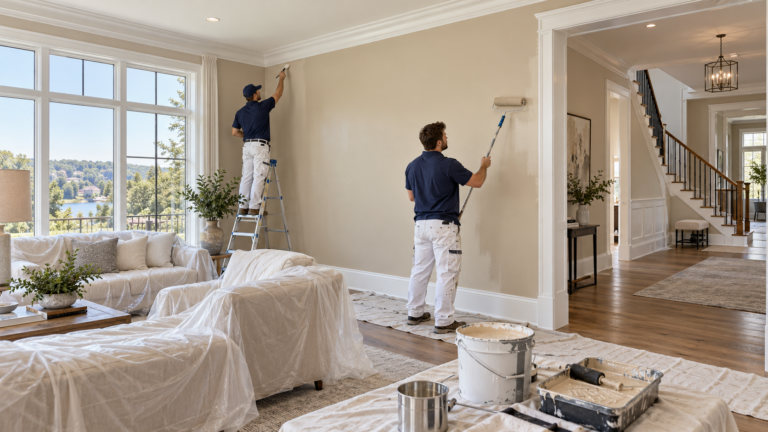
A fresh coat of paint can transform the appearance of a home, improve its atmosphere, and help protect important surfaces from everyday wear. Whether homeowners want to refresh an outdated living room, restore weathered exterior walls, or prepare a property for sale, professional Painter services can provide the preparation, materials, and technical expertise needed for a quality finish. Painting involves more than selecting an attractive color and applying it to a surface. Successful projects require careful inspections, appropriate surface repairs, compatible coatings, and controlled application techniques. Understanding these essential elements helps property owners choose suitable professionals, plan realistic budgets, and achieve results that complement their homes.
From modern residential interiors to traditional exterior architecture, the right painting approach depends on the building materials, environmental conditions, and desired appearance. This guide explains how painting professionals work, what homeowners should expect, and seven important strategies for achieving reliable results.
What Are Professional Painter Services?
Professional painter services involve preparing, repairing, coating, and finishing residential or commercial surfaces using appropriate painting materials and equipment.
Painting contractors may work on interior walls, ceilings, doors, trim, exterior siding, masonry, fences, and other suitable building components.
Their responsibilities can include evaluating surface conditions, removing loose coatings, cleaning, filling minor defects, applying primer, and completing the finish coats.
Some painting companies also provide wallpaper removal, decorative finishes, cabinet painting, deck staining, and specialized protective coatings.
However, these additional services are not necessarily included in every standard painting package.
Interior Painting Services
Interior painting focuses on surfaces inside a property, such as bedrooms, kitchens, bathrooms, living rooms, and hallways.
The work may involve walls, ceilings, baseboards, doors, and decorative architectural features.
Interior painting products should be selected according to surface conditions, expected wear, cleaning needs, and environmental requirements.
Exterior Painting Services
Exterior painting involves surfaces exposed to sunlight, rain, temperature changes, and other environmental conditions.
Typical projects include siding, exterior trim, doors, masonry, and other paintable surfaces.
Exterior coatings must be appropriate for the underlying material and expected exposure.
Residential and Commercial Painting
Residential painting generally focuses on homes and living environments.
Commercial painting may involve offices, retail facilities, hospitality properties, and other business premises.
Commercial projects can require additional scheduling, equipment, surface preparation, and operational coordination.
Why Do Homeowners Hire Professional Painting Contractors?
Painting may appear straightforward, but producing consistent results requires preparation and attention to detail.
Professional painters understand how surface conditions affect coating adhesion and appearance.
They also have experience using appropriate application tools, protective materials, and working methods.
A painting contractor can help homeowners assess the scope of work and determine whether a surface needs repair before painting begins.
Professional assistance is especially useful for projects involving large areas, difficult access, extensive preparation, or specialized coatings.
However, the quality of the result depends on the contractor’s competence, selected materials, and actual workmanship.
7 Essential Tips for Choosing and Using Painter Services
A successful painting project begins with understanding the work required and establishing clear expectations.
The following seven strategies can help homeowners plan effectively and make informed decisions.
1. Identify Your Painting Needs Before Hiring
Every painting project has different requirements.
Some homeowners want to refresh a room, while others need to repair damaged finishes or protect exterior materials.
Clearly identifying the project’s objectives helps the painting contractor recommend suitable preparation methods and coatings.
Evaluate the Existing Surfaces
Before requesting an estimate, examine the walls and other surfaces.
Look for peeling paint, stains, small cracks, moisture damage, and uneven finishes.
Discoloration may indicate an ordinary cosmetic issue or a problem requiring further investigation.
For example, a recurring stain near a window may be associated with water entering the building.
Painting over the stain without correcting the moisture source may result in recurring damage.
Define the Desired Appearance
Homeowners should consider whether they prefer a modern, traditional, decorative, or neutral finish.
The final appearance depends on color selection, paint sheen, surface texture, and lighting conditions.
Establish a Clear Project Scope
A useful project description should identify which rooms or exterior areas need painting, which surfaces are excluded, and whether additional repairs are expected.
Clear project boundaries reduce misunderstandings and help contractors prepare comparable quotations.
2. Choose Experienced and Qualified Painting Professionals
Selecting a painting contractor is one of the most important decisions in the project.
Experience matters because different surfaces and coating products require different preparation and application methods.
A contractor experienced in interior wall painting may not necessarily specialize in exterior masonry restoration or industrial protective coatings.
Verify Relevant Experience
Ask whether the contractor has completed projects involving materials and conditions similar to yours.
Photographs of previous work may demonstrate appearance, but they do not establish long term coating performance.
References and explanations of previous project methods may provide additional insight.
Check Licensing and Insurance
Licensing requirements vary by location and type of work.
Homeowners should confirm whether the contractor holds any authorization required for the proposed project.
Appropriate insurance arrangements should also be reviewed.
Discuss Workmanship Standards
A reliable professional should explain how surfaces will be prepared, what materials will be used, and how the finished work will be inspected.
Avoid relying only on claims that a company provides the best or cheapest painting service.
Clear communication and documented expectations are more useful when evaluating reliability.
3. Prioritize Surface Preparation for Better Results
Surface preparation is one of the most important stages of professional painting.
Paint applied over loose material, excessive dirt, unresolved moisture, or incompatible coatings may fail prematurely.
Proper preparation creates conditions that support better adhesion and a more consistent appearance.
Cleaning and Repairing Surfaces
Before applying new paint, surfaces may need cleaning to remove dust, grease, and other contaminants.
Loose coatings should be addressed using appropriate methods.
Small holes, cracks, and damaged areas may require suitable filler or repair materials.
The repair method should match the underlying surface.
For example, repairing a minor drywall indentation differs from treating a deteriorated exterior masonry joint.
Sanding and Priming
Sanding can help create a suitable surface profile or smooth certain repairs when the method is appropriate.
Primer may be needed to improve adhesion, address uneven absorption, or support a coating system recommended by the manufacturer.
However, not every surface requires a separate primer.
Some compatible products are designed for particular previously painted surfaces without one.
Handle Older Paint Carefully
Older buildings may contain hazardous coatings, including lead based paint.
Disturbing these coatings through sanding, scraping, or similar work can create harmful dust.
Where lead paint may be present, homeowners should arrange appropriate assessment and use qualified professionals following applicable local requirements.
Safe preparation should always take priority over speed.
4. Select the Right Paint Colors and Finishes
Paint selection influences appearance, cleaning requirements, and overall performance.
The best product is not necessarily the most expensive.
It is the coating that meets the surface requirements and intended conditions.
Understand Common Paint Finishes
Flat and matte finishes generally produce a subdued appearance and may make certain surface imperfections less noticeable.
Eggshell finishes provide a modest sheen and are commonly used on interior walls.
Satin coatings offer greater visible sheen and may be suitable for selected high use areas.
Semi gloss and gloss finishes are often considered for doors, trim, and other surfaces where a more reflective appearance is desired.
Actual durability and cleanability depend on the individual product, not simply its finish category.
Choose Colors According to Lighting
Natural and artificial lighting can change how paint colors appear.
A warm neutral shade may look different in a north facing bedroom than in a brightly illuminated living room.
Furniture, flooring, and neighboring colors also affect visual perception.
Test Samples Before Painting
Applying suitable sample colors to a representative area can help homeowners evaluate their choices.
Observe samples under different lighting conditions before approving the final color.
For exterior projects, consider how the selected shade works with roofing, landscaping, and architectural materials.
5. Ensure Safe and Appropriate Painting Practices
Painting activities can involve chemical exposure, elevated work, and equipment related hazards.
Safety planning should reflect the specific products, location, and application method.
Maintain Suitable Ventilation
Some painting products release volatile organic compounds and other substances during application and drying.
Low VOC labels describe certain emissions characteristics but do not mean a product is completely free from potential hazards.
Users should follow product instructions and relevant safety information.
Adequate ventilation may help manage exposure, but the appropriate approach depends on the coating and working environment.
Plan Safe Access to Elevated Areas
High ceilings, staircases, and exterior walls may require ladders, scaffolds, or other suitable access equipment.
Workers should use appropriate methods for the height and conditions involved.
Homeowners should not attempt dangerous elevated painting tasks without the required equipment and expertise.
Protect Occupants and Belongings
Furniture, floors, electrical fixtures, and nearby belongings should be appropriately protected before painting begins.
Children and pets should remain away from active work areas, tools, and accessible paint products.
Reentry and normal use should follow the coating manufacturer’s safety and drying instructions.
6. Compare Painting Estimates and Total Project Costs
Painting prices depend on several factors, including surface area, preparation requirements, material selection, labor, and accessibility.
A simple bedroom repaint usually involves different work from restoring an exterior surface with extensive coating damage.
Understand What Influences Pricing
Important cost considerations include:
- Total paintable surface area.
- Condition of existing walls and trim.
- Number of required coats.
- Primer and repair materials.
- Paint type and finish.
- Labor and access requirements.
- Furniture protection and cleanup.
- Project location and scheduling.
The lowest quotation is not always the best value if important preparation or finishing activities are excluded.
Request a Detailed Written Estimate
A written estimate should explain the proposed work, preparation, materials, expected coating application, and relevant exclusions.
Homeowners should clarify whether minor repairs, trim painting, and cleanup are included.
Avoid Unexpected Additional Charges
Hidden damage may become visible after work begins.
A professional contractor should explain material changes and obtain appropriate authorization before proceeding with significant additional work.
Transparent pricing helps maintain a constructive relationship between homeowners and painting professionals.
7. Inspect the Completed Work and Plan Maintenance
Painting is not complete merely because the final coat has been applied.
A reasonable inspection helps confirm that the work meets the agreed expectations.
Review the Finished Appearance
Inspect the surfaces under suitable lighting.
Look for noticeable missed areas, excessive paint buildup, unwanted drips, uneven coverage, and paint on surfaces that were not intended to be coated.
Small variations may be influenced by surface texture and lighting.
The agreed scope and applicable workmanship standards should guide the evaluation.
Check Cleanup and Protection
The contractor should remove agreed protective materials, manage waste appropriately, and leave the work areas in the required condition.
Unused paint and other products should be handled according to relevant disposal instructions.
Maintain Painted Surfaces Correctly
New coatings need adequate curing time before vigorous cleaning or normal exposure to demanding conditions.
Drying and curing are not always the same.
Homeowners should follow the manufacturer’s guidance for cleaning, touchups, and ongoing care.
Regular inspections can reveal moisture problems or coating deterioration before they become more extensive.
Interior Painter Services for Different Rooms
Different rooms experience different environmental conditions and levels of daily use.
Selecting appropriate paint helps match the finish to the space.
Living Rooms and Bedrooms
These spaces often prioritize comfortable colors and a consistent decorative appearance.
Matte, eggshell, and other suitable interior finishes may be considered according to the desired look.
Kitchens and Bathrooms
Kitchens and bathrooms can experience moisture, frequent cleaning, and changing temperatures.
Products should be selected according to the substrate and expected exposure.
Painting cannot resolve persistent condensation, plumbing leaks, or inadequate ventilation.
Hallways and Children’s Rooms
High traffic areas may require coatings that tolerate regular contact and appropriate cleaning.
Product performance should be verified rather than assuming that every paint with a particular sheen offers the same durability.
Exterior Painter Services and Property Protection
Exterior painting involves additional preparation and environmental considerations.
Sun exposure, wind, moisture, and temperature variations can influence application conditions and coating performance.
Selecting Exterior Coatings
The paint must be suitable for the material being coated.
Wood siding, concrete, stucco, and metal components may require different preparation or coating systems.
Manufacturers usually specify appropriate substrates, application temperatures, and moisture limitations.
Repair Before Repainting
Peeling paint may result from ordinary aging, but it can also indicate moisture problems or incompatible coatings.
Damaged exterior surfaces should be assessed before new paint is applied.
A coating should not be expected to correct structural deterioration or recurring water intrusion.
Consider Weather Conditions
Exterior painting should be scheduled according to the product’s requirements and expected weather.
Excessive moisture, unsuitable temperatures, and unexpected rainfall can interfere with application and curing.
The contractor should monitor site conditions and adjust the work schedule when necessary.
The Professional House Painting Process Explained
Understanding the usual painting workflow can help homeowners prepare for the project.
Initial Consultation
The contractor reviews the requested work, evaluates accessible surfaces, and discusses colors, materials, and expectations.
Preparation and Protection
Furniture and nearby surfaces are protected.
Approved cleaning, repairs, and other preparation activities are completed.
Primer and Finish Application
Where necessary, suitable primer is applied before the selected finish coats.
Painters use brushes, rollers, or spray equipment according to the surface and product.
Final Inspection and Cleanup
After the work reaches an appropriate stage, the contractor reviews visible results and addresses agreed deficiencies.
The homeowner should receive relevant information about maintenance and remaining curing requirements.
DIY Painting vs Hiring Professional Painter Services
DIY painting may be practical for a small project involving sound surfaces and straightforward access.
Homeowners with appropriate tools and experience may be able to repaint a simple room.
However, professional assistance can be more appropriate when the project involves extensive preparation, elevated surfaces, complex architectural details, or specialized coatings.
When DIY Painting May Work
A small interior wall with minimal defects may be manageable when the homeowner understands basic preparation, product instructions, and safe application.
When Professional Painting Makes Sense
Large projects, significant coating failure, difficult access, hazardous materials, and demanding finish requirements may justify hiring a qualified contractor.
The decision should consider time, equipment, personal capability, safety, and the expected quality of the result.
How to Prepare Your Home Before Painters Arrive
Preparing the property can make the painting process easier to organize.
Remove fragile decorations, personal belongings, and items that obstruct access to work areas.
Discuss whether the painting crew or homeowner will move heavy furniture.
Confirm which rooms will be available and identify any sensitive materials or special access requirements.
Homeowners should also ask about drying times, ventilation, and temporary restrictions on using freshly painted spaces.
Clear preparation helps prevent misunderstandings once work begins.
Common Mistakes to Avoid When Hiring Painters
One common mistake is selecting a contractor entirely on price without reviewing the work included.
Another is approving paint colors without considering actual lighting conditions.
Homeowners may also overlook the importance of surface repairs or assume that new paint will conceal serious underlying defects.
Insufficient communication about finish expectations can create disagreements during inspection.
Finally, using painted surfaces too soon can damage coatings that have not adequately cured.
Planning, appropriate materials, and clear communication can help avoid these problems.
How Often Should a Home Be Repainted?
There is no single repainting schedule suitable for every property.
Coating life depends on the paint product, surface preparation, indoor use, weather exposure, and maintenance.
Frequently used interior spaces may show wear sooner than protected rooms.
Exterior surfaces may deteriorate at different rates depending on orientation, climate, and building materials.
Rather than repainting according to an arbitrary timeline, homeowners should inspect for visible wear, peeling, cracking, and other signs that maintenance may be required.
Frequently Asked Questions
1. What do professional painter services include?
Professional painter services commonly include surface preparation, minor repairs, priming when required, interior or exterior paint application, and agreed cleanup procedures.
2. How much do painter services cost for a house?
Costs depend on paintable area, surface condition, labor, materials, accessibility, and project complexity. A detailed contractor estimate provides the most relevant pricing.
3. How long does professional house painting take?
The duration depends on project size, preparation needs, coat requirements, drying conditions, and the number of painters assigned.
4. Is professional painting better than DIY painting?
Professional painting may be preferable for complex surfaces, large areas, difficult access, or specialized finishes. Simple projects may be suitable for experienced homeowners.
5. What type of paint is best for interior walls?
The best interior paint depends on the room, surface, desired finish, cleaning requirements, and manufacturer specifications.
6. How can homeowners make professional paintwork last longer?
Proper preparation, suitable coatings, controlled application, adequate curing, moisture management, and regular maintenance can support longer lasting paint performance.
Conclusion
Professional painter services can improve the appearance of a property while helping protect appropriately prepared surfaces from everyday wear and environmental exposure. Successful painting projects depend on selecting suitable materials, addressing underlying defects, hiring qualified professionals, and maintaining clear expectations. Homeowners should compare detailed estimates, prioritize safe work practices, and inspect completed finishes before approving the project. With careful planning and appropriate maintenance, professional painting can contribute to a comfortable, attractive, and well maintained home.