As temperatures drop across North America and autumn leaves give way to winter snow, homeowners across the United States shift their focus toward winterizing their properties. While insulating pipes and cleaning gutters are top priorities, one critical area often gets neglected until trouble strikes: the basement.
During fall and winter, cold ambient temperatures outside paired with indoor heating systems create a distinct microclimate in sub-level spaces. Without proper care, your basement can quickly turn into a breeding ground for excess moisture, stubborn mold, and costly structural damage.
Keeping your basement dry through the chilly months requires a proactive approach. In this guide, we will break down why moisture builds up during fall and winter, practical steps to eliminate dampness, why monitoring climate metrics is essential, and how a reliable wireless thermo-hygrometer can save you thousands in home repairs.
Why Is Basement Moisture Control Critical in Fall and Winter?
Many homeowners assume that humidity problems belong strictly to humid summer months. However, cold weather introduces unique challenges that make basements particularly vulnerable to dampness:
The Temperature Gradient & Condensation: When warm, humid air from your home’s main living area or heating vents collides with cold basement walls and concrete foundations, it cools rapidly. Cold air holds less moisture than warm air, causing the water vapor to condense into droplets on your walls, pipes, and floors.
Winter Weather Infiltration: Late fall rain, melting snow, and freezing ground water exert hydrostatic pressure against your foundation walls. Seeping moisture eventually works its way into microscopic cracks in concrete.
Closed-House Syndrome: During cold months, windows and doors remain shut tight to conserve heat. Trapped indoor moisture generated by cooking, hot showers, and laundry recirculates through the home, settling into the lowest level—the basement.
Pest and Health Risks: Damp environments encourage toxic black mold growth, ruin drywall, rot wooden floor joists, and attract winter-seeking pests like silverfish, spiders, and rodents.
Maintaining a balanced humidity level between 30% and 50% Relative Humidity (RH) in your basement prevents condensation, protects stored items, preserves foundation integrity, and ensures healthier air quality upstairs.
4 Practical Steps to Keep Your Basement Dry This Season
Achieving a dry basement requires combining moisture prevention with effective indoor air management. Follow these essential steps to safeguard your space:
Seal Wall and Floor Cracks
Inspect your foundation for hairline cracks. Use high-quality hydraulic cement or polyurethane sealant to patch gaps where outdoor groundwater might seep through during rainstorms or snowmelts.
Run a Low-Temperature Dehumidifier
Install a heavy-duty dehumidifier rated for cold environments. Standard dehumidifiers can freeze up when ambient temperatures drop below 65°F (18°C). Choose a unit with an auto-defrost feature and a continuous drainage hose so you do not have to manually empty the water bucket.
Improve Foundation Drainage Outside
Prevent water from reaching your foundation in the first place. Ensure your rain gutters are clear of fallen autumn leaves and that downspouts extend at least 5 to 10 feet away from your home’s exterior walls.
Circulate the Air
Stagnant air accelerates moisture buildup. Use small utility fans to keep air moving in dark corners, storage closets, or laundry areas located in the basement.
Why You Need a Hygrometer Thermometer for Basement Care
You cannot manage what you do not measure. Guessing whether your basement is “dry enough” based on feel or smell is a risky gamble. By the time you notice a musty odor or visible mold spores, structural damage or health hazards may already be present.
A hygrometer thermometer, a device that measures air temperature and relative humidity simultaneously, provides real-time, objective data. Here is why using one is non-negotiable for smart basement maintenance:
l Early Warning System: Relative humidity can surge above the dangerous 60% threshold days before visual signs of mold appear. A hygrometer alerts you instantly to adjust your dehumidifier.
l Energy Savings: Running a heavy-duty dehumidifier non-stop skyrockets winter electric bills. Monitoring your hygrometer helps you run your appliance only when necessary, keeping energy costs down.
l Freeze Prevention: Unfinished basements can plunge below freezing during extreme winter storms, risking burst water pipes. Tracking real-time temperature ensures you know when to turn on supplemental heating.
How to Measure basement Humidity and Temperature
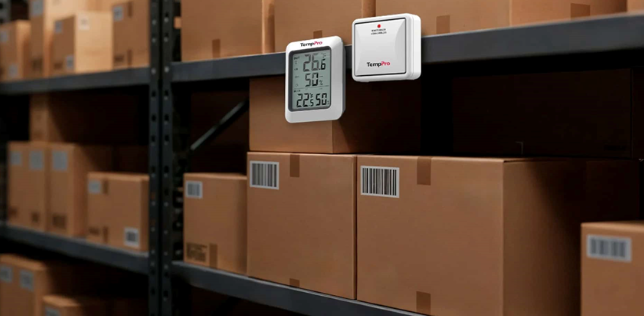
Checking your basement climate shouldn’t require walking down cold stairs multiple times a day. The TempPro TempAir PLUS TP60B Wireless Indoor Outdoor Thermometer Hygrometer offers an effortless, accurate way to monitor your basement’s microclimate directly from the comfort of your living room or kitchen.
Designed with advanced sensor technology, the TempPro TempAir PLUS TP60B stands out as an essential tool for winter home protection:
Long-Range Wireless Connectivity (Up to 500 Feet): Equipped with a powerful 915 MHz wireless transmission, the TempPro TempAir PLUS TP60B easily penetrates thick basement walls, concrete floors, and subflooring. Place the remote sensor in your basement, and read live updates on the base display upstairs without losing signal.
High-Precision Sensors: Features industry-leading internal sensors that deliver accurate temperature readings within ±2.0°F and humidity measurements within ±2% RH, ensuring pinpoint accuracy when detecting dampness.
Clear, Intuitive Display with Trend Indicators: The large LCD display shows current indoor and outdoor/remote temperature and humidity levels simultaneously. Dynamic trend arrows show whether conditions are rising, falling, or remaining steady over time.
All-Weather, Cold-Resistant Remote Sensor: Built to withstand harsh indoor and outdoor environments, the remote sensor operates reliably in freezing sub-zero temperatures, making it ideal for unheated winter basements, attics, or root cellars.
Expandable Multi-Sensor Capability: Supports up to 3 remote sensors, allowing you to monitor your basement, crawl space, and outdoor yard all on a single receiver unit.
With the TempPro TempAir PLUS TP60B, you gain complete peace of mind knowing your basement’s climate is tracked accurately 24 hours a day, 7 days a week.
How to Maximize Your Hygrometer for Basement Climate Control
To get the most accurate readings from your TempPro TP60B or any climate monitor, place your sensors strategically:
Keep Off the Cold Floor: Place the remote sensor on a shelf or wall mount roughly 3 to 5 feet off the ground for an accurate room average.
Avoid Direct Heat Sources: Keep the sensor away from furnace vents, clothes dryers, space heaters, or direct sunlight streaming through basement windows.
Position Near Trouble Spots: If you suspect a specific wall or corner is prone to dampness, place the sensor nearby to track localized humidity spikes.
Final Thoughts
A dry basement during fall and winter protects your home’s structural foundation, improving family health, and preserving your property value. By sealing foundation cracks, directing drainage away from your home, and running a cold-rated dehumidifier, you can comfortably navigate the colder months ahead.
Adding a high-precision monitor like the TempPro TempAir PLUS TP60B Wireless Indoor Outdoor Thermometer Hygrometer gives you total visibility over your basement’s environment without stepping out of your warm living area. Take control of your home’s climate this winter and enjoy a healthier, drier living space year-round!