

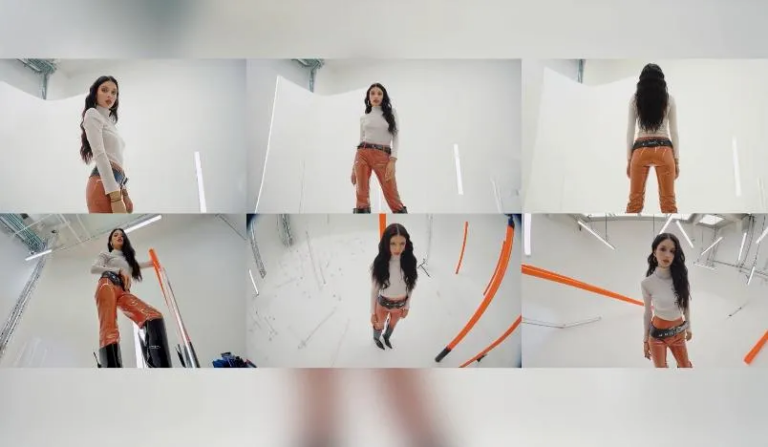
AI video generators improve product videos by turning static assets into polished visual content faster, with less production effort and more room for testing. Brands can transform product photos, design concepts, and short descriptions into demos, ads, and social clips without organizing a full shoot for every idea. That makes video creation more practical for launches, seasonal campaigns, product updates, and ecommerce content. AI also helps teams keep visuals consistent across formats while speeding up editing and iteration. Instead of treating video as a slow, expensive asset, businesses can produce more product-focused content for more channels. The result is a workflow that supports better storytelling, quicker turnaround, and a larger volume of useful videos that help shoppers understand what a product offers.
How AI Video Generators Improve Product Content
Turn Product Images and Ideas Into Dynamic Videos
One of the biggest advantages of ai video generators is the ability to turn existing product assets into motion-based content. A clean product image, a concept sketch, or a short written prompt can become a video that shows angles, movement, use cases, and atmosphere. This helps brands present products more clearly than static images alone. Instead of waiting for a new shoot, teams can build short demos for product pages, launch campaigns, and social posts from materials they already have. AI also makes it easier to visualize products before full production begins, which is useful for testing creative directions. For marketing teams, this means faster content creation, lower production friction, and more ways to explain product value through video.
Create More Video Variations With Less Production Work
AI video generators make it much easier to create multiple versions of a product video without repeating the full production process. Teams can adjust prompts, scenes, pacing, framing, messaging, and visual style to produce variations for different audiences and platforms. A single product concept can become a short ad, a vertical social clip, a feature-focused demo, and a branded promotional video in far less time than traditional editing allows. This supports campaign testing and helps marketers tailor content to different stages of the buyer journey. Instead of limiting video output to one polished asset, brands can build a broader content library from the same core inputs. That flexibility improves efficiency while giving product marketing more room to experiment and optimize.
How AI Makes Product Videos More Engaging
Add Realistic Motion, Scenes, and Product Storytelling
Engaging product videos do more than display an item; they show how it fits into a story. AI video generators help create that effect by adding realistic motion, scene transitions, environmental context, and visual pacing that hold attention. A product can be shown in use, highlighted from multiple perspectives, or placed in a lifestyle setting that supports its appeal. These details make videos feel more vivid and informative, especially for shoppers who want a clearer sense of design, function, and value. Motion also helps guide attention toward key features and benefits. When video content moves beyond a simple slideshow and becomes a structured narrative, audiences are more likely to watch longer, remember the message, and understand why the product matters.
Build Consistent Visuals for Ads and Social Media
Consistency matters when product videos appear across ads, landing pages, and social platforms. AI video generators help maintain a unified visual identity by applying similar styles, character appearance, product framing, and scene quality across many assets. This is especially useful for brands producing content at scale, where inconsistencies can weaken trust and recognition. With Kling 3.0, teams can generate high-quality videos from text prompts or static images, keep character appearance locked to avoid the common AI morphing effect, and produce up to 15 seconds of multi-shot cinematic video in 4K. Native audio and lip-sync also support polished multilingual content without extra tools. These capabilities help brands create coordinated product campaigns that look professional and feel aligned across formats.
How to Create Better Product Videos With AI
Start With Strong Product Assets and Clear Prompts
Better AI product videos start with better inputs. Use high-quality product images that clearly show shape, color, materials, and important details. If the goal is a lifestyle or demo video, define the setting, camera movement, mood, and product action in the prompt as clearly as possible. Specific instructions produce stronger results than vague requests. It also helps to identify the audience and platform before generating anything, since a product page explainer needs a different structure than a short social ad. Keep the message focused on the product’s real value, not just visual style. When teams combine strong source assets with clear creative direction, AI can generate videos that feel purposeful, brand-aligned, and much more useful for actual marketing performance. For flagship campaigns, brands can also work with a creative video production agency to capture polished source footage.
Generate, Review, Refine, and Export With Kling AI
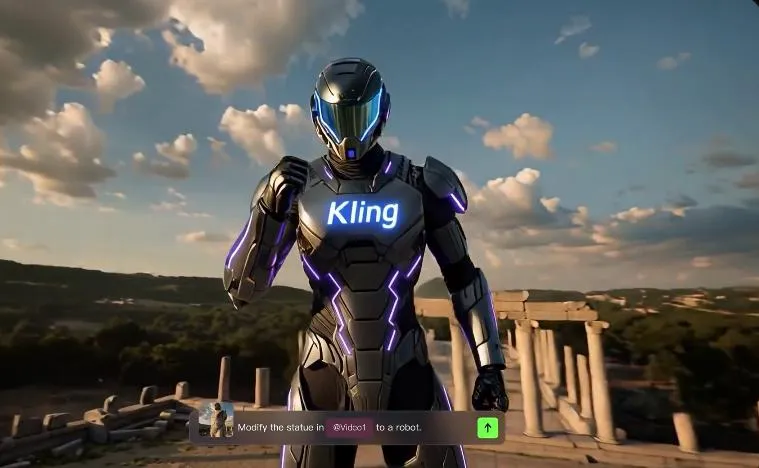
Once assets and prompts are ready, the next step is a practical review cycle. Generate an initial version, check whether the product remains accurate on screen, and confirm that motion, framing, and pacing support the message. Then refine the prompt or reference inputs to improve weak areas. Kling AI supports this workflow well because it can turn a static image or text prompt into video quickly, while also preserving character consistency and creating more natural spoken output through native audio and lip-sync. Its storyboard controls help shape multi-shot sequences without adding unnecessary complexity. After revisions, export the strongest version for the intended channel and format. This repeatable process helps teams move from concept to polished product video with more speed and control.
Conclusion
AI video generators improve product videos by making them easier to produce, easier to scale, and more effective at showing what a product actually offers. They help teams turn images and ideas into dynamic content, test more creative variations, and keep visual branding consistent across channels. They also make product storytelling stronger by adding motion, context, and structure that static media cannot provide on its own. For brands that need regular video output for ecommerce, advertising, and social media, AI changes video from a resource-heavy project into a practical part of everyday marketing. With strong inputs, clear prompts, and a thoughtful review process, businesses can create product videos that look polished, communicate benefits clearly, and support faster, more flexible content production.


