Outdoor cooking has become a favorite way to bring family and friends together, whether it’s a weekend barbecue, a holiday celebration, or a simple weeknight dinner. A propane grill offers convenience, consistent heat, and easy temperature control, making it one of the most popular choices for home grilling enthusiasts. From quick meal preparation to versatile cooking options, propane grills are designed to provide reliable performance while simplifying the grilling experience.
This guide explores how propane grills work, their advantages, essential features, maintenance tips, safety practices, and what to consider before purchasing one.
What Is a Propane Grill?
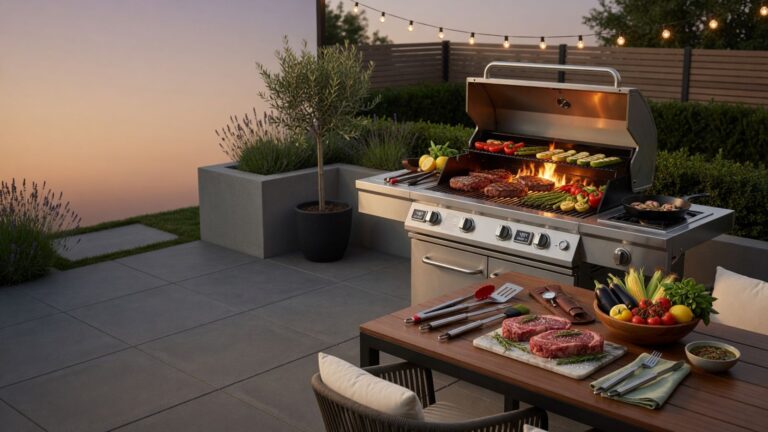
A propane grill is an outdoor cooking appliance that uses propane gas as its fuel source. Propane is stored in a portable cylinder connected to the grill through a regulator and hose, supplying fuel to burners beneath the cooking grates.
Once ignited, the burners generate controlled heat that cooks food evenly across the grilling surface.
Most propane grills include:
- Stainless steel or cast-iron cooking grates
- Multiple gas burners
- Temperature control knobs
- Ignition system
- Grease management system
- Warming rack
- Lid with built-in thermometer
Available features vary depending on the manufacturer and model.
Why Choose a Propane Grill?
Many homeowners prefer propane grills because they provide fast heating and straightforward operation without the need for charcoal preparation.
Common advantages include:
- Quick startup
- Adjustable temperature control
- Consistent cooking performance
- Easy cleanup
- Portable fuel supply
- Suitable for various outdoor spaces
These benefits make propane grills suitable for both beginners and experienced outdoor cooks.
How a Propane Grill Works
Propane stored in the fuel cylinder flows through a regulator into the grill’s burners.
When the ignition system activates:
- Gas reaches the burners.
- A spark ignites the propane.
- Flames heat the cooking grates.
- Food cooks using direct or indirect heat.
Temperature can be adjusted by controlling the amount of propane reaching each burner.
Types of Propane Grills
Different grill styles are designed to meet various cooking needs.
Freestanding Propane Grills
These are the most common models for residential use.
Features often include:
- Storage cabinet
- Side shelves
- Wheels for mobility
- Multiple burners
- Large cooking area
Portable Propane Grills
Portable models are designed for camping, tailgating, picnics, and travel.
Benefits include:
- Lightweight design
- Compact size
- Easy transport
- Simple setup
Built-In Propane Grills
Outdoor kitchens often incorporate built-in propane grills for a permanent cooking solution.
These grills may offer larger cooking surfaces and additional customization options.
Key Features to Look for in a Propane Grill
Selecting the right grill depends on your cooking style, available space, and budget.
Burner Quality
Burners distribute heat throughout the grill. Stainless steel burners are commonly valued for their durability and corrosion resistance.
Cooking Surface
Consider how much cooking space you need based on the number of people you typically prepare meals for.
Heat Distribution
Even heat helps reduce hot spots and improves cooking consistency.
Ignition System
Reliable electronic ignition systems simplify startup and reduce the need for manual lighting.
Temperature Control
Independent burner controls allow different cooking zones for direct and indirect grilling.
Construction Materials
High-quality materials such as stainless steel, porcelain-coated steel, and cast iron contribute to durability and long-term performance.
Choosing the Right Grill Size
Grill size should match your cooking habits.
Smaller grills are suitable for:
- Couples
- Small patios
- Occasional grilling
- Camping
Larger grills may better accommodate:
- Large families
- Frequent entertaining
- Outdoor gatherings
- Multiple dishes cooked simultaneously
Available cooking surface dimensions vary by manufacturer.
Cleaning and Maintaining a Propane Grill
Routine maintenance helps preserve cooking performance and extend the life of the grill.
Recommended maintenance includes:
- Cleaning cooking grates after each use
- Emptying grease trays regularly
- Inspecting burners for blockages
- Checking propane hoses for wear
- Cleaning exterior surfaces
- Covering the grill when not in use
Always follow the manufacturer’s maintenance recommendations.
Propane Grill Safety Tips
Safe operation is essential whenever using gas-powered cooking equipment.
Follow these guidelines:
- Use the grill outdoors only.
- Keep it away from combustible materials.
- Inspect propane connections before use.
- Check for gas leaks according to the manufacturer’s instructions.
- Never leave a lit grill unattended.
- Turn off the propane cylinder after cooking.
- Store propane cylinders upright in a well-ventilated outdoor location.
If you suspect a gas leak, stop using the grill and consult the manufacturer’s safety instructions or a qualified professional.
Accessories That Enhance Grilling
Several accessories can improve your outdoor cooking experience.
Popular options include:
- Grill covers
- Meat thermometers
- Rotisserie kits
- Grill brushes
- Griddle plates
- Smoker boxes
- Cooking baskets
- Side burners
Choose accessories that are compatible with your specific grill model.
Common Mistakes to Avoid
Even experienced grill owners occasionally overlook important maintenance and safety practices.
Avoid these common mistakes:
- Failing to preheat the grill
- Skipping regular cleaning
- Using damaged propane hoses
- Overloading the cooking surface
- Ignoring flare-ups
- Storing propane cylinders indoors
Proper care supports both safety and cooking performance.
Best Practices for Better Grilling Results
To improve cooking consistency:
- Preheat the grill before cooking.
- Use different heat zones for various foods.
- Monitor food temperature with a thermometer.
- Keep the lid closed when appropriate.
- Allow meats to rest after grilling.
- Clean the grill after each use.
These habits help produce more consistent cooking results while maintaining grill performance.
Frequently Asked Questions
1. What are the advantages of a propane grill?
A propane grill heats quickly, provides adjustable temperature control, produces consistent cooking performance, and requires less preparation than charcoal grills.
2. How long does a propane tank last?
Usage depends on tank size, burner output, and cooking frequency. Larger tanks generally provide more cooking time than smaller portable cylinders.
3. Can a propane grill be used year-round?
Many people use propane grills throughout the year, provided weather conditions allow for safe outdoor operation.
4. How often should I clean my propane grill?
Cooking grates should be cleaned after each use, while deeper cleaning and inspections should be performed regularly according to the manufacturer’s recommendations.
5. Is a propane grill safe?
When operated according to the manufacturer’s instructions and maintained properly, propane grills are designed for safe outdoor cooking.
6. What size propane grill should I buy?
Choose a grill based on your available outdoor space, the number of people you typically cook for, and the features that best match your cooking preferences.
Conclusion
A propane grill combines convenience, efficiency, and versatility, making it an excellent choice for outdoor cooking enthusiasts. Whether you enjoy casual family meals or entertaining larger groups, selecting a grill with the right size, construction, and features can improve your overall grilling experience. Regular maintenance, proper safety practices, and thoughtful use will help keep your grill performing reliably for years. Before purchasing, compare models, review manufacturer specifications, and choose a propane grill that aligns with your cooking needs, outdoor space, and budget.