

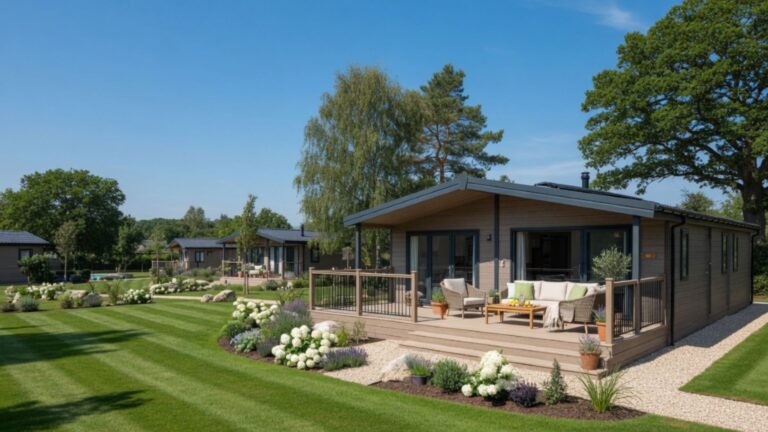
Owning a holiday home provides a personal sanctuary where you can escape the demands of daily life. Instead of booking hotels and packing suitcases every weekend, you have a dedicated retreat waiting for you. Consequently, the demand for holiday properties has surged in recent years. If you are currently looking for a static lodge for sale, understanding the purchasing process is vital. Buying a lodge is different from buying a traditional brick-and-mortar house. It involves specific park rules, lease agreements, and maintenance considerations.
A static lodge offers the comfort of a residential home in a holiday park setting. These properties are spacious, highly insulated, and often feature luxury finishes. However, finding the right one requires more than just touring a showground. You must evaluate the location, the park operator, and the long-term costs. This guide provides essential strategies to help you navigate the market and secure the perfect holiday retreat.
What Is a Static Lodge?
A static lodge is a prefabricated structure designed for long-term siting on a holiday park or residential park. Unlike touring caravans, static lodges are transported to a site and remain there permanently. They are built to residential standards, featuring proper foundations, pitched roofs, and high-quality insulation.
Furthermore, static lodges are significantly larger than standard caravans. They often feature open-plan living spaces, fully fitted kitchens, and multiple bedrooms. Because they are built for extended stays, they provide a much higher level of comfort. When searching for a static lodge for sale, you are essentially looking for a purpose-built holiday home rather than a mobile unit.
Finding the Right Static Lodge for Sale: Location Matters
The location of your holiday home dictates how often you will use it. If the park is too far from your primary residence, weekend trips become impractical. Therefore, you must consider drive times carefully. Ideally, your holiday home should be within a two to three-hour drive. This distance is close enough for spontaneous weekend getaways but far enough to feel like a true escape.
Additionally, consider the surrounding environment. Do you prefer coastal views, woodland walks, or countryside tranquility? The park’s immediate surroundings will heavily influence your holiday experience. A static lodge for sale in a coastal town might offer summer tourism benefits. However, a countryside lodge might provide year-round peace and quiet.
Evaluating the Holiday Park Operator
The park operator controls the environment where your lodge is sited. A poorly managed park can ruin the ownership experience. Therefore, researching the operator is just as important as inspecting the lodge itself. Visit the park unannounced to check cleanliness, security, and maintenance standards.
Talk to existing owners if possible. They will provide honest feedback about how the management treats them and how efficiently they handle complaints. Furthermore, check what amenities the park offers. Facilities like swimming pools, clubs, and children’s play areas can greatly enhance your family’s experience. However, parks with extensive amenities often charge higher annual fees.
Evaluating a Static Lodge for Sale: New vs. Pre-Owned
When browsing the market, you will choose between new and pre-owned lodges. Each option has distinct financial and practical implications. A new static lodge for sale allows you to customize the floor plan, fixtures, and fittings. You also benefit from a manufacturer’s warranty, which covers structural defects and appliance breakdowns for several years.
Conversely, a pre-owned lodge is significantly cheaper. This option is ideal if you are working with a strict budget. However, older lodges may require more maintenance and might lack modern energy-efficient features. If you choose a pre-owned route, always hire an independent surveyor to inspect the structure for dampness, roof damage, and plumbing issues.
Understanding the Costs Beyond the Purchase Price
The initial purchase price is only one part of the financial commitment. Many first-time buyers focus solely on finding a cheap static lodge for sale, only to be surprised by the ongoing operational costs. You must factor these recurring expenses into your annual budget to ensure ownership remains sustainable.
Pitch Fees and Utilities
Every holiday park charges an annual pitch fee. This fee covers the rental of the land your lodge sits on. It also contributes to the upkeep of communal areas and park security. Pitch fees vary wildly depending on the park’s location and amenities. Furthermore, these fees are subject to annual review and typically increase with inflation.
In addition to pitch fees, you must pay for utilities. This includes electricity, gas, water, and sewerage. Some parks meter these utilities individually, while others charge a flat annual rate. Always ask the park operator for an estimate of these utility costs before completing your purchase.
Insurance and Maintenance
Insuring a static lodge differs from standard home insurance. You need a specialist policy that covers the structure for its replacement value, which is often higher than the purchase price due to transportation and installation costs. The policy must also cover public liability, especially if you plan to rent the lodge out.
Maintenance is another critical cost factor. Static lodges require annual servicing to maintain the warranty. This includes checking the gas boiler, inspecting the roof, and treating the exterior weatherboarding. Setting aside a small contingency fund each year ensures you can handle unexpected repairs without financial stress.
The Importance of Park Licenses and Agreements
You do not own the land underneath your static lodge. Therefore, your right to keep the lodge on the park is governed by a license agreement. This legal document outlines the terms of your occupancy. When reviewing a static lodge for sale, read the license agreement meticulously before signing anything.
The agreement will specify the open season for the park. Many holiday parks do not hold a 12-month residential license. This means you cannot live in the lodge permanently. You may have to vacate the property during the winter months. Furthermore, the agreement dictates the age limit for lodges on the park. Most parks enforce a strict policy, requiring lodges to be removed and replaced after 15 or 20 years. Understanding these terms prevents nasty surprises down the line.
Customizing Your Static Lodge
One of the joys of owning a holiday home is making it your own. When you buy a new static lodge for sale, the manufacturer often allows extensive customization. You can choose kitchen cabinetry, bathroom tiles, flooring, and upholstery. This ensures the interior perfectly matches your personal taste.
Even after purchase, you can make external modifications. Many owners add decking or a veranda to extend their outdoor living space. However, you cannot simply build whatever you want. The park operator must approve all external structures to ensure they comply with park safety regulations and spacing requirements. Therefore, always submit your plans to the management before hiring a contractor.
Best Practices When Viewing a Static Lodge for Sale
Viewing a lodge requires a more critical eye than viewing a traditional house. Because these structures are manufactured, specific vulnerability points need careful inspection. First, check all windows and doors for proper sealing. Drafts not only make the lodge cold but also indicate potential water ingress.
Next, look closely at the ceilings and walls for any signs of water stains. Roof leaks are common in older lodges, and dampness can spread quickly through the structure. Turn on all taps and flush the toilets to check the water pressure and plumbing integrity. Finally, walk around the exterior and inspect the skirting. Damaged skirting allows pests and cold air under the floor, which can freeze pipes in the winter.
Frequently Asked Questions
What is the difference between a static lodge and a touring caravan?
A static lodge is a permanent, residential-grade structure sited on a holiday park, while a touring caravan is mobile and designed to be towed between locations.
Can I live in a static lodge permanently?
It depends on the park’s licensing agreement. Many holiday parks only hold licenses for holiday use, meaning you cannot use the lodge as your primary permanent residence.
Do I need to pay council tax on a static lodge?
Usually, no. Because static lodges on holiday parks are not classed as permanent dwellings, they are typically exempt from standard council tax. However, local authority rates may apply depending on the jurisdiction.
How long do static lodges last?
With proper maintenance and annual servicing, a quality static lodge can last anywhere from 15 to 30 years, though park operators often mandate replacement after 15 to 20 years.
Can I sublet my static lodge when I am not using it?
Yes, many owners rent out their lodges to generate income. However, you must check your park license agreement, as some parks restrict subletting or require you to use their in-house rental management service.
What is a pitch fee?
A pitch fee is the annual charge paid to the holiday park operator for the right to keep your static lodge sited on their land. It covers ground rent and maintenance of communal park facilities.
Conclusion
Finding the perfect static lodge for sale requires balancing emotional desires with practical financial planning. A holiday home offers an incredible lifestyle upgrade, providing a dedicated space for family memories and weekend retreats. However, the purchase involves navigating complex park agreements, understanding ongoing fees, and evaluating the structural integrity of the lodge itself. By researching the park operator, considering the total cost of ownership, and inspecting the property thoroughly, you can make a confident and informed investment. Ultimately, the right static lodge will serve as a peaceful and welcoming sanctuary for you and your family for many years to come.


