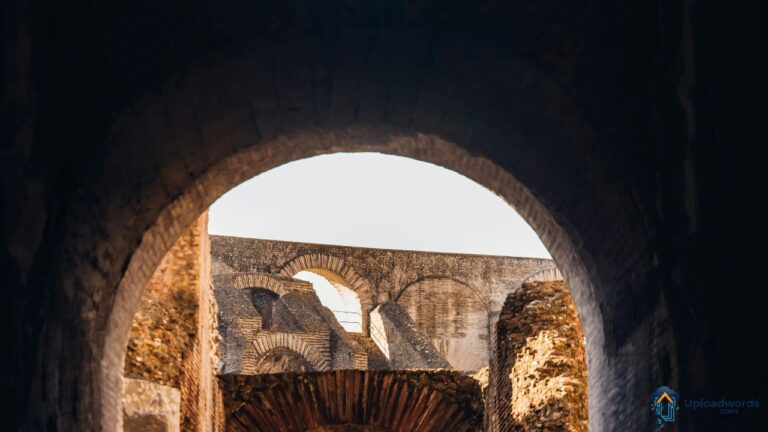
The ColosseumRoman monument stands as one of the most iconic symbols of ancient civilization, representing the engineering brilliance and cultural power of the Roman Empire. Located in the heart of Rome, Italy, this massive amphitheater has fascinated historians, travelers, and archaeologists for centuries. From gladiator battles to architectural innovation, the ColosseumRoman continues to attract millions of visitors each year who seek to experience the grandeur of ancient Rome.
What Is the ColosseumRoman?
The Colosseum, also known as the Flavian Amphitheatre, was constructed between 70–80 AD under the rule of Emperor Vespasian and completed by his son Titus. It was designed as a grand public entertainment venue capable of hosting tens of thousands of spectators.
It served as a center for:
- Gladiator contests
- Public spectacles
- Animal hunts
- Mock naval battles
- Dramatic performances
The structure symbolized Roman power and social unity.
Architectural Brilliance of the ColosseumRoman
Massive Seating Capacity
The amphitheater could accommodate approximately 50,000 to 80,000 spectators. Seating arrangements were organized by social class, reflecting Roman societal structure.
Innovative Engineering
The ColosseumRoman was constructed using:
- Concrete and stone
- Travertine limestone
- Roman brick
- Iron clamps
Its elliptical design measures about 189 meters long and 156 meters wide.
Hypogeum Structure
Beneath the arena floor lay the hypogeum, an underground network of tunnels and chambers used to house gladiators, animals, and stage equipment.
Velarium Roof System
A retractable awning called the velarium protected spectators from sun and rain, showcasing Roman engineering ingenuity.
Gladiators and Public Spectacles
The ColosseumRoman was most famous for gladiatorial combat. These fighters were often:
- Prisoners of war
- Slaves
- Criminals
- Volunteers seeking fame
Events were elaborate and sometimes lasted for days. Exotic animals such as lions, elephants, and bears were brought from across the empire for staged hunts.
Cultural Significance of the ColosseumRoman
The Colosseum represented:
- Political power
- Public entertainment
- Social hierarchy
- Architectural mastery
It also demonstrated how emperors used entertainment to maintain public approval through the concept of “bread and circuses.”
Damage and Preservation Over Time
Over the centuries, the ColosseumRoman suffered damage from:
- Earthquakes
- Stone looting
- Fires
- Natural erosion
Despite this, restoration efforts have preserved much of its structure. Today, it stands as a UNESCO World Heritage Site and one of the New Seven Wonders of the World.
Visiting the ColosseumRoman Today
Location
Situated in central Rome near the Roman Forum and Palatine Hill.
Ticket Information
Visitors can purchase:
- Standard entry tickets
- Guided tour packages
- Combined tickets for nearby attractions
Booking in advance is recommended during peak seasons.
Best Time to Visit
Early morning or late afternoon visits offer fewer crowds and better lighting for photography.
Interesting Facts About the ColosseumRoman
- It is nearly 2,000 years old.
- It once had over 80 entrances.
- Gladiator games were banned in the 5th century.
- It remains one of the most visited landmarks in Europe.
These facts highlight its enduring global appeal.
Why the ColosseumRoman Remains Important Today
The Colosseum is more than an ancient ruin; it is a symbol of:
- Historical legacy
- Architectural innovation
- Cultural heritage
- Tourism economy
It continues to inspire modern stadium design and remains central to Rome’s identity.
Travel Tips for Tourists
- Wear comfortable walking shoes
- Bring water during summer months
- Consider guided tours for deeper historical insights
- Combine your visit with the Roman Forum
Preparation enhances the overall experience.
FAQs
1. What does ColosseumRoman refer to?
It refers to the ancient Roman Colosseum, also known as the Flavian Amphitheatre, located in Rome, Italy.
2. How old is the ColosseumRoman?
It was completed in 80 AD, making it nearly 2,000 years old.
3. How many people could the Colosseum hold?
It could hold between 50,000 and 80,000 spectators.
4. What events were held there?
Gladiator fights, animal hunts, public spectacles, and mock battles were held in the arena.
5. Is the ColosseumRoman still used today?
It is no longer used for entertainment events but is a major tourist attraction and historical site.
Conclusion
The ColosseumRoman stands as a powerful reminder of ancient Rome’s engineering excellence and cultural complexity. From gladiator battles to advanced architectural design, it reflects both the grandeur and the intensity of Roman society. Today, as one of the world’s most recognized landmarks, the Colosseum continues to educate, inspire, and attract millions of visitors. Its enduring presence ensures that the legacy of ancient Rome remains alive for future generations.