

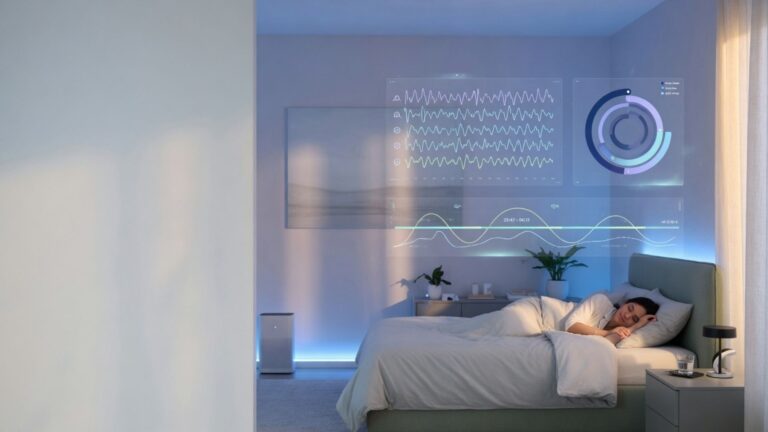
The scientific understanding of sleep has undergone a massive transformation over the last century. Initially viewed as a passive state of unconsciousness, sleep is now recognized as a highly dynamic, biologically essential process. Decades of research have systematically dismantled the notion that the brain simply shuts off at night. Instead, modern neuroscience reveals that sleep represents an active period of physical restoration, memory consolidation, and metabolic regulation. This extensive body of scientific literature proves that adequate rest is not a luxury, but a fundamental pillar of human health.
The historical progression of sleep science highlights a shift from behavioral observation to deep neurological mapping. Early sleep researchers relied on basic electroencephalogram (EEG) technology to discover that the brain exhibits highly structured electrical patterns during the night. Today, advanced imaging techniques allow scientists to observe the real-time clearing of neurotoxic waste products from the brain tissue. Understanding this evolution is critical for appreciating current medical guidelines regarding sleep hygiene, chronotype alignment, and the treatment of sleep disorders.
The Evolution of Sleep Science: From Rest to Active Restoration
In the early twentieth century, the medical community knew remarkably little about why humans sleep. The prevailing theory suggested that sleep was merely the result of sensory fatigue and the buildup of sleep-inducing toxins in the bloodstream. However, the invention of the EEG in the 1920s provided the first window into the electrical activity of the sleeping brain. This technological breakthrough laid the groundwork for modern sleep medicine.
Early Discoveries and Brain Wave Monitoring
In 1953, researchers made a groundbreaking discovery that permanently changed the trajectory of neuroscience. They identified a distinct phase of sleep characterized by rapid eye movement (REM) and brain wave patterns that closely resembled waking consciousness. This discovery proved that sleep is not a uniform state. Instead, it consists of distinct cycles. Following this revelation, the scientific community began mapping the architecture of non-REM sleep, dividing it into stages based on brain wave frequencies. Consequently, the concept of sleep architecture was born, providing a framework that decades of research continue to build upon today.
The Identification of Sleep Architecture
Sleep architecture refers to the structural organization of sleep cycles throughout the night. A healthy adult typically experiences four to six sleep cycles per night, each lasting roughly ninety minutes. These cycles progress through light sleep, deep sleep, and REM sleep. Decades of research demonstrate that each stage serves a highly specific biological function. Disrupting one stage, even if total sleep time remains adequate, can lead to significant cognitive and physical impairments. Therefore, sleep quality is just as important as sleep quantity, a fact heavily emphasized in modern medical literature.
What Decades of Research Reveal About Sleep Cycles
The human sleep cycle is a meticulously orchestrated sequence of neurological events. Decades of research have mapped the specific physiological changes that occur during each stage, revealing the interdependence of these phases. Skipping or shortening a particular stage prevents the body from completing its necessary nightly maintenance.
Non-REM Sleep: Physical Repair and Memory Consolidation
Non-REM sleep consists of three distinct stages. The first stage represents the transition from wakefulness to sleep. The second stage is a period of light sleep where heart rate begins to drop and body temperature decreases. The third stage, known as slow-wave sleep or deep sleep, is arguably the most physically restorative phase. During deep sleep, the body releases human growth hormone, repairs muscle tissue, and strengthens the immune system. Furthermore, decades of research show that deep sleep is crucial for declarative memory consolidation, allowing the brain to transfer newly acquired factual information from short-term to long-term storage.
REM Sleep: Emotional Regulation and Neuroplasticity
REM sleep typically occurs about ninety minutes after falling asleep and lengthens with each successive cycle throughout the night. During this stage, the brain becomes highly active while the body’s voluntary muscles experience atonia, or temporary paralysis. Decades of research indicate that REM sleep is essential for emotional regulation, creativity, and complex problem-solving. The brain processes emotional experiences from the day, stripping away the harsh emotional charge while retaining the factual memory. Additionally, REM sleep supports neuroplasticity, allowing the brain to form new neural connections necessary for learning new motor skills and procedural tasks.
The Cognitive Impact: How Decades of Research Link Sleep to Brain Health
The relationship between sleep and cognitive function is one of the most heavily studied areas in modern neuroscience. The brain’s ability to process information, make decisions, and regulate emotions is deeply dependent on the quality of the previous night’s rest. Sleep deprivation, even for a single night, visibly impairs cognitive performance.
Memory Processing and the Hippocampus
The hippocampus acts as the brain’s short-term memory center. Throughout the day, it accumulates new information. However, its capacity is limited. During deep sleep, the hippocampus replays the day’s learning to the neocortex, where the memories are permanently stored. This process clears the hippocampus, preparing it for new learning the following day. If sleep is disrupted, this transfer process fails. Consequently, new memories overwrite old ones, leading to forgetfulness and impaired learning capacity. Decades of research confirm that individuals who sleep after learning a new task perform significantly better on retention tests than those who stay awake.
The Glymphatic System and Amyloid Beta Clearance
One of the most significant discoveries in recent sleep science is the identification of the glymphatic system. This specialized waste clearance system in the brain becomes highly active during deep sleep. As we sleep, the space between brain cells expands, allowing cerebrospinal fluid to flush out metabolic waste products that accumulate during waking hours. One of these waste products is amyloid beta, a protein strongly associated with the development of Alzheimer’s disease. Decades of research now suggest that chronic sleep deprivation impairs this clearance mechanism, allowing toxic proteins to build up and significantly increasing the risk of neurodegenerative diseases. Therefore, sleep is increasingly viewed as a critical factor in long-term cognitive longevity.
Physical Health Consequences Highlighted by Decades of Research
The impact of sleep extends far beyond the brain. Decades of research have established strong, causal links between sleep quality and almost every major physiological system in the human body. Cardiovascular health, metabolic function, and immune defense are all deeply regulated by the sleep-wake cycle.
Cardiovascular Health and Blood Pressure Regulation
Sleep exerts a profound influence on the cardiovascular system. During normal deep sleep, blood pressure drops by approximately 10 to 20 percent, a phenomenon known as nocturnal dipping. This dipping gives the heart and blood vessels a much-needed period of rest. However, individuals who suffer from sleep deprivation or sleep disorders like obstructive sleep apnea often fail to experience this drop. Consequently, their cardiovascular system remains under constant stress. Decades of research demonstrate that chronic lack of sleep is linked to higher rates of hypertension, coronary artery disease, and stroke. The American Heart Association now includes sleep duration as a key metric for cardiovascular health.
Metabolic Function, Insulin Resistance, and Weight Management
The connection between sleep and metabolic health is robust and biologically complex. Sleep deprivation disrupts the endocrine system, specifically altering the hormones that regulate appetite. It increases levels of ghrelin, the hormone that stimulates hunger, and decreases levels of leptin, the hormone that signals satiety. As a result, sleep-deprived individuals tend to consume more calories, particularly from carbohydrate-rich foods. Furthermore, decades of research show that insufficient sleep directly impairs insulin sensitivity. When cells become less responsive to insulin, blood sugar levels rise, increasing the risk of type 2 diabetes. Even a single week of restricted sleep can push a healthy individual into a pre-diabetic state.
Immune System Modulation and Inflammation
During sleep, the immune system produces infection-fighting antibodies and cytokines. These molecules are essential for combating viruses and bacteria. Chronic sleep deprivation reduces the production of these defensive compounds, leaving the body more susceptible to illness. Moreover, decades of research indicate that prolonged sleep insufficiency leads to systemic, low-grade inflammation. This chronic inflammation damages healthy tissues and serves as an underlying driver for numerous diseases, including autoimmune disorders, cardiovascular disease, and certain cancers. Therefore, prioritizing sleep is a critical component of long-term immune defense.
Chronotypes and Circadian Rhythms: Individualizing Sleep Science
Not all sleep needs are identical. The timing of an individual’s sleep-wake cycle is governed by their circadian rhythm, an internal biological clock that operates on a roughly twenty-four-hour cycle. This rhythm is heavily influenced by genetics and determines a person’s chronotype, which dictates whether they are naturally a morning lark or a night owl.
The Genetic Basis of Morningness and Eveningness
Decades of research into human genetics have identified specific genes, such as the PER3 gene, that influence chronotype. These genetic variations affect how individuals process light and melatonin, ultimately determining their natural window of peak alertness. Society has traditionally favored early chronotypes, operating on standard business hours that disadvantage night owls. Recognizing sleep chronotypes as a biological reality rather than a personal habit is crucial for optimizing both productivity and health.
Social Jetlag and Modern Societal Conflicts
When individuals are forced to live outside their biological chronotype, they experience a phenomenon known as social jetlag. This occurs when a person sleeps at their natural biological time on weekends but forces themselves to wake early for work during the week. Decades of research link social jetlag to numerous health issues, including chronic fatigue, mood disorders, and metabolic syndrome. Acknowledging and accommodating individual circadian rhythms, through flexible work schedules or strategic light exposure, can dramatically improve overall well-being and workforce productivity.
Modern Threats to Sleep: What Decades of Research Warn Us About
While human biology has remained relatively constant, the environment in which we attempt to sleep has changed drastically. Modern society introduces several elements that actively disrupt the natural sleep-wake cycle, creating a widespread public health issue.
Blue Light Emission and Melatonin Suppression
The invention of artificial light disrupted natural sleep patterns, but the advent of digital screens created a much more severe problem. Electronic devices emit high levels of blue light, which closely mimics the wavelength of natural daylight. When the eyes absorb blue light in the evening, it suppresses the pineal gland’s production of melatonin, the hormone that signals the body to prepare for sleep. Decades of research show that screen use before bed delays sleep onset, reduces deep sleep duration, and increases morning grogginess. Implementing digital curfews and using blue-light-filtering software are critical modern sleep hygiene practices.
The Psychological Toll of Hyper-Connectivity
Beyond the physical impact of light, the psychological nature of modern technology disrupts sleep. The constant influx of emails, news alerts, and social media notifications keeps the brain in a state of hyperarousal. The brain cannot transition into sleep while it remains engaged in active information processing. Decades of research in sleep psychology emphasize the importance of a wind-down period. Creating a psychological boundary between the stressors of the day and the sleep environment is essential for initiating sleep architecture effectively.
Evidence-Based Interventions Derived from Decades of Research
Understanding the science of sleep is only useful if it translates into actionable strategies. Medical professionals rely on decades of research to recommend specific, evidence-based interventions for improving sleep quality. These interventions range from simple behavioral adjustments to structured clinical therapies.
Sleep Hygiene Fundamentals
Sleep hygiene refers to the behavioral and environmental practices that promote consistent, uninterrupted sleep. Key practices include maintaining a strict sleep schedule, even on weekends, to stabilize the circadian rhythm. The sleep environment should be dark, quiet, and cool, typically between 60 and 67 degrees Fahrenheit. Avoiding caffeine and alcohol in the hours preceding sleep is also critical. While alcohol may help individuals fall asleep faster, decades of research show it severely fragments sleep architecture, suppressing REM sleep and causing mid-night awakenings.
Cognitive Behavioral Therapy for Insomnia (CBT-I)
For individuals suffering from chronic insomnia, sleep hygiene alone is often insufficient. Cognitive Behavioral Therapy for Insomnia (CBT-I) is currently recognized as the first-line medical treatment for chronic sleep issues, surpassing pharmaceutical interventions in long-term efficacy. CBT-I addresses the underlying anxieties and maladaptive behaviors that perpetuate insomnia. Techniques include sleep restriction, where patients temporarily limit their time in bed to rebuild a strong sleep drive, and stimulus control, which trains the brain to associate the bed exclusively with sleep rather than wakefulness or frustration. Decades of research validate CBT-I as a highly effective, durable solution for chronic sleep maintenance issues.
The Future of Sleep Medicine and Ongoing Investigations
The field of sleep medicine continues to evolve. Current research focuses on the intersection of sleep and artificial intelligence, utilizing machine learning algorithms to analyze massive datasets of sleep tracking data. Scientists are investigating how wearable technology can provide clinically accurate sleep architecture data without the need for in-laboratory EEG monitoring.
Furthermore, ongoing research explores personalized sleep medicine. By analyzing an individual’s genetic profile, biomarkers, and lifestyle data, future interventions may be highly customized. Researchers are also delving deeper into the role of sleep in psychiatric conditions, exploring how targeted sleep interventions might alleviate symptoms of depression, anxiety, and PTSD. As this research progresses, the medical community will continue to refine its understanding of this critical biological function.
Frequently Asked Questions
Why is sleep considered an active process rather than a passive state?
Decades of research show that during sleep, the brain cycles through highly structured stages where it consolidates memories, clears metabolic waste, and regulates hormones, making it biologically active.
What is the glymphatic system and why is it important?
The glymphatic system is the brain’s waste clearance mechanism, becoming highly active during deep sleep to flush out neurotoxic proteins like amyloid beta, which protects against neurodegenerative diseases.
How does sleep deprivation affect metabolic health?
Lack of sleep disrupts hormones that regulate hunger, increases cravings for high-calorie foods, and reduces insulin sensitivity, heavily increasing the risk of type 2 diabetes and weight gain.
What is a chronotype and can it be changed?
A chronotype is an individual’s natural biological preference for sleeping and waking, heavily influenced by genetics. While it cannot be entirely changed, it can be managed through strategic light exposure and scheduling.
How does blue light from screens impact sleep?
Blue light mimics daylight and suppresses the brain’s production of melatonin, the hormone responsible for initiating sleep, which delays sleep onset and disrupts sleep architecture.
What is CBT-I and who should use it?
Cognitive Behavioral Therapy for Insomnia (CBT-I) is an evidence-based, non-pharmacological treatment that addresses the thoughts and behaviors causing chronic insomnia, recommended as the first-line treatment for chronic sufferers.
Conclusion
The scientific journey from viewing sleep as a passive resting state to understanding it as a dynamic, biologically essential process has fundamentally changed how we approach human health. Decades of research have conclusively proven that sleep dictates our cognitive longevity, metabolic stability, and cardiovascular health. As modern society introduces new environmental and psychological disruptions to our natural circadian rhythms, applying this scientific knowledge becomes increasingly critical. By respecting our biological need for structured, high-quality sleep and utilizing evidence-based interventions when sleep falters, we can protect our physical health, preserve our cognitive function, and dramatically improve our overall quality of life.


