A reliable heating system is essential for maintaining a comfortable indoor environment, especially during colder months when outdoor temperatures can drop significantly. When a furnace stops working, a heat pump delivers insufficient warmth, or a boiler develops mechanical problems, timely Heating Repair can help restore dependable operation and prevent further equipment damage. Residential heating systems contain electrical, mechanical, and sometimes fuel burning components that require appropriate diagnosis and professional maintenance. Understanding common warning signs, repair options, and preventive measures helps homeowners make informed decisions while protecting their families and managing household expenses.
Whether a home uses a gas furnace, an electric heating system, a heat pump, or a boiler, identifying problems early can reduce unnecessary disruption. This guide explains the most common heating problems, seven practical repair strategies, maintenance recommendations, and how to choose qualified HVAC professionals.
What Is Heating Repair?
Heating repair refers to diagnosing and correcting problems that prevent residential heating equipment from operating safely or as intended.
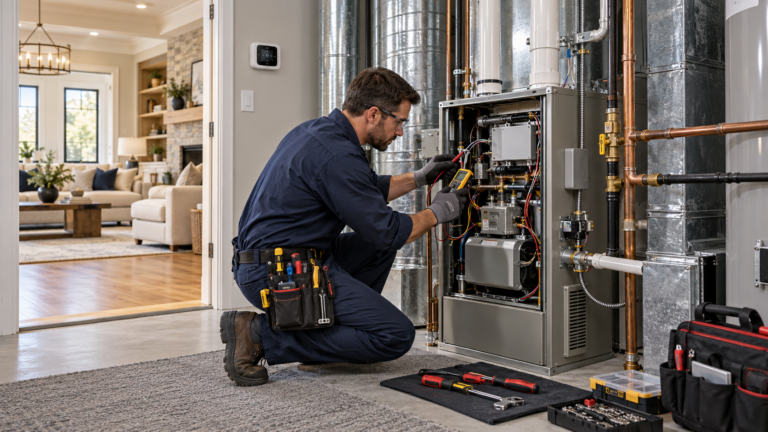
A professional heating technician may inspect electrical controls, thermostats, heat exchangers, motors, burners, pumps, sensors, and other components according to the type of system.
The repair process can involve replacing damaged parts, correcting electrical faults, restoring proper airflow, or addressing equipment control problems.
The appropriate solution depends on the heating technology, equipment condition, manufacturer requirements, and underlying cause.
Understanding Different Home Heating Systems
Residential heating equipment comes in several configurations.
A gas furnace generates heat through fuel combustion and distributes warm air through ductwork.
An electric furnace uses electric resistance heating elements to warm the supplied air.
A heat pump transfers heat between indoor and outdoor environments using a refrigeration cycle.
A boiler generally heats water or generates steam for distribution through radiators, baseboards, or other compatible heating equipment.
Each system requires different diagnostic procedures and repair expertise.
Why Professional Heating Repairs Matter
Heating equipment may contain high voltage electrical components, combustible fuels, pressurized systems, and hot surfaces.
Improper repairs can create additional equipment damage and serious safety hazards.
Qualified technicians use appropriate tools, technical knowledge, and manufacturer procedures to identify problems and verify safe operation.
Common Signs Your Heating System Needs Repair
Heating problems often develop before a system stops operating completely.
Recognizing unusual symptoms can help homeowners arrange an inspection before conditions become more disruptive.
Insufficient Warm Air
A heating system may operate without delivering enough warmth to maintain the desired indoor temperature.
Potential causes include restricted airflow, thermostat problems, equipment faults, or insufficient heating capacity under current conditions.
A technician must evaluate the system before identifying the cause.
Unusual Operating Noises
Rattling, grinding, squealing, or repeated clicking may indicate loose components, motor problems, or other mechanical issues.
Some operating sounds are normal, but new or persistent noises deserve attention.
Unexpected Energy Consumption
A substantial increase in heating expenses may indicate longer operating periods, reduced efficiency, or changing household energy needs.
Higher utility bills do not automatically prove that equipment is defective.
Weather, fuel prices, thermostat settings, and building insulation can also influence costs.
Frequent Heating Interruptions
Repeated shutdowns, difficulty starting, or inconsistent heating cycles can indicate electrical, airflow, control, or safety related problems.
A system repeatedly shutting down through a safety control should be professionally assessed rather than repeatedly restarted.
7 Powerful Heating Repair Tips for Homeowners
Maintaining dependable heating requires recognizing warning signs, understanding system limitations, and selecting appropriate repair methods.
The following seven strategies help homeowners approach common heating problems safely and effectively.
1. Check Thermostat Settings and Controls
Thermostat problems can sometimes make a functioning heating system appear defective.
The thermostat communicates heating requests to the equipment and helps regulate indoor temperature.
Incorrect settings, power problems, or faulty sensors may affect system operation.
Verify the Heating Mode
Homeowners can confirm that the thermostat is set to the appropriate heating mode and desired temperature.
For programmable thermostats, review the operating schedule to ensure it matches household requirements.
Some thermostats use replaceable batteries, while others depend on low voltage power from the HVAC system.
Only perform basic adjustments described in the manufacturer’s instructions.
Understand Temperature Differences
A thermostat reading may not accurately represent every room in the house.
Direct sunlight, nearby heat sources, or unsuitable thermostat placement can affect temperature readings.
If the displayed temperature appears inconsistent with actual conditions, a technician can assess the thermostat and associated controls.
When Thermostat Replacement Is Necessary
A professional may recommend replacement when the control unit is defective, incompatible with the heating equipment, or unable to operate required system functions.
Heat pumps and multistage heating systems may need particular thermostat configurations.
Installing an incompatible control can result in improper equipment operation.
2. Maintain Proper Airflow and Furnace Filters
Forced air heating systems depend on sufficient airflow to distribute warmth and maintain appropriate equipment operating conditions.
Restricted airflow can reduce comfort and contribute to equipment problems.
Dirty filters, blocked return grilles, and unsuitable duct arrangements are possible causes.
Inspect the Air Filter
Homeowners should check accessible filters according to manufacturer recommendations.
A heavily soiled filter can restrict airflow and increase strain on certain heating components.
Replacement intervals vary based on filter design, household conditions, and system usage.
The correct filter dimensions and specifications should be used.
Keep Supply and Return Vents Clear
Furniture, rugs, and stored belongings should not obstruct important airflow openings.
Some homes also have manual registers that can be adjusted, but closing numerous registers may create undesirable operating conditions in certain duct systems.
Select Compatible Filter Efficiency
Higher filtration efficiency can improve particle removal when the heating system is designed to accommodate the filter.
However, unsuitable filters may increase airflow resistance.
An HVAC technician can evaluate whether a particular filter rating is appropriate for the equipment.
3. Address Furnace Ignition and Burner Problems
Fuel burning furnaces rely on correctly operating ignition, combustion, and safety systems.
When these components malfunction, the furnace may fail to start, shut down unexpectedly, or produce insufficient heat.
These problems require particular caution because improper repairs can create fire or carbon monoxide hazards.
Common Furnace Ignition Issues
Modern furnaces may use electronic ignition systems, flame sensors, gas valves, and other controls.
Failures involving these components can interrupt the heating sequence.
The system may display a diagnostic code, but that code does not always identify the exact failed component.
Understand Combustion Safety
Proper combustion depends on suitable fuel delivery, combustion air, and venting arrangements.
Blocked or damaged vents can allow dangerous combustion gases to enter occupied spaces.
Carbon monoxide is particularly hazardous because it cannot be detected by smell or sight.
Leave Fuel System Repairs to Professionals
Homeowners should never bypass furnace safety switches, manipulate gas valves, or attempt combustion adjustments without proper qualifications.
A trained technician should evaluate suspected ignition failures, venting defects, and fuel supply problems.
Annual professional inspections of fuel burning heating equipment are an important safety measure.
4. Identify Heat Pump Performance Problems
Heat pumps provide both heating and cooling in many residential installations.
Rather than generating heat through combustion, they transfer heat using electrical energy and a refrigeration system.
Heat pump problems may involve airflow, controls, refrigerant circuits, outdoor equipment, or auxiliary heating components.
Check the Outdoor Unit
An outdoor heat pump requires appropriate airflow.
Leaves, accumulated debris, and other obstructions may interfere with operation.
Homeowners can visually inspect the surrounding area from a safe location without opening equipment panels.
Manufacturer recommendations should guide routine exterior maintenance.
Understand Defrost Cycles
Air source heat pumps may periodically enter a defrost cycle during cold, humid conditions.
Temporary changes in operating sounds or heat delivery can be normal.
However, extensive persistent ice accumulation or repeated failure to provide adequate heating may indicate a problem.
Professional Refrigerant Diagnosis
Low refrigerant charge, leaks, and refrigeration system faults require specialized testing.
In the United States, technicians performing activities that involve regulated refrigerants may need appropriate EPA Section 608 certification.
Homeowners should not attempt refrigerant adjustments or open sealed refrigeration components.
5. Investigate Uneven Heating Throughout the Home
Uneven indoor temperatures are a common source of heating complaints.
Some rooms may become comfortable quickly while others remain noticeably cooler.
The cause can involve airflow distribution, insulation, duct leakage, system design, or equipment performance.
Inspect Accessible Air Distribution Areas
Homeowners can check whether supply registers are visibly obstructed.
They can also note which rooms experience temperature differences and when the problem occurs.
This information can help technicians identify possible distribution issues.
Evaluate Ductwork Conditions
Leaking, damaged, or poorly insulated ducts may affect the amount of conditioned air reaching certain rooms.
Duct systems should be evaluated using appropriate inspection and testing methods.
Not every uncomfortable room requires additional heating equipment.
Consider Building Insulation
Heat loss through poorly insulated walls, roofs, and windows may create persistent comfort differences.
A heating professional may recommend a broader home performance assessment when equipment repairs alone are unlikely to solve the problem.
Correcting air leakage or insulation deficiencies can sometimes improve comfort without increasing heating capacity.
6. Repair Boiler and Radiator Problems Safely
Boilers distribute heat through water or steam systems rather than conventional forced air ductwork.
Common problems may involve circulation, controls, valves, pressure management, leaks, or heat distribution components.
Because these systems can contain hot water, steam, and pressurized equipment, repairs require appropriate expertise.
Recognize Boiler Warning Signs
Water leakage, insufficient heat, repeated shutdowns, unusual noises, or abnormal pressure indications may require investigation.
Some problems originate within the boiler, while others involve pumps, piping, radiators, or control devices.
A qualified professional should establish the cause before replacing components.
Understand Radiator Performance
A radiator may fail to heat evenly because of circulation problems or air within certain hot water systems.
However, radiator arrangements differ, and procedures suitable for one system may be unsafe or inappropriate for another.
Avoid Pressure Related Repairs
Do not operate relief valves, open pressurized connections, or drain boiler components without the required knowledge.
Boiler safety controls protect against dangerous conditions and must remain functional.
A trained technician should perform necessary inspection, testing, and corrective work.
7. Schedule Preventive Heating Maintenance
Preventive maintenance supports dependable operation and provides an opportunity to identify problems before the coldest weather arrives.
The specific requirements depend on the heating system and manufacturer’s guidance.
Arrange Annual Professional Inspections
The United States Consumer Product Safety Commission recommends annual professional inspections of fuel burning heating systems.
A suitable inspection may address relevant equipment components, controls, venting arrangements, and combustion safety.
Heat pumps and other heating equipment also benefit from appropriate scheduled maintenance.
Monitor Heating System Performance
Homeowners can keep records of unusual sounds, recurring errors, service visits, and changes in heating performance.
This information helps technicians understand the equipment’s operating history.
Maintain Safe Equipment Access
Heating equipment should remain accessible for inspection and servicing.
Combustible materials should not be stored against or too close to appliances.
Keep Maintenance Documentation
Service records, warranty information, and equipment manuals can be useful when arranging future repairs.
Regular maintenance cannot prevent every mechanical failure, but it helps support informed equipment management.
What Types of Heating Repair Services Are Available?
Professional HVAC contractors may provide different repair services depending on their qualifications and equipment.
Furnace Repair
Furnace repair may involve ignition components, blower motors, electrical controls, heat exchangers, sensors, and airflow related problems.
Work involving combustion or safety systems should be performed by appropriately qualified technicians.
Heat Pump Repair
Heat pump services may address refrigerant circuit faults, electrical controls, indoor and outdoor equipment, defrost operation, and airflow issues.
Boiler Repair
Boiler service may include evaluating pumps, valves, controls, circulation problems, combustion systems, and pressure related components.
Thermostat and Control Repair
Modern heating systems may use programmable thermostats, integrated controls, and connected temperature management devices.
A technician should verify compatibility and operation before recommending replacement.
How Does Professional Heating Repair Work?
A reliable repair process begins with identifying the reported symptoms.
The technician should investigate the equipment rather than assume that a particular part has failed.
Initial Assessment
The homeowner explains the symptoms, when they began, and whether the system has received previous repairs.
Relevant error messages and unusual behavior should be documented.
Technical Diagnosis
The technician performs appropriate checks using equipment compatible with the heating system.
Testing may involve electrical measurements, airflow evaluation, system pressure checks, and other authorized procedures.
Repair Recommendation
Once the likely cause has been identified, the technician should explain the proposed solution.
Homeowners should understand which components need repair or replacement and whether additional problems remain.
Testing After Repair
The repaired system should be evaluated under appropriate operating conditions.
Relevant checks may include temperature performance, equipment controls, airflow, and applicable safety functions.
The work should be completed according to manufacturer instructions and relevant requirements.
How Much Does Heating Repair Cost?
Heating repair costs vary according to the equipment, specific fault, replacement components, and local labor conditions.
There is no universal price suitable for every residential heating problem.
A straightforward thermostat replacement may involve different costs from repairing a damaged blower motor or boiler component.
Factors That Affect Pricing
Important considerations include:
- Type of heating equipment.
- Complexity of the diagnosis.
- Required replacement components.
- Labor and equipment access.
- Availability of compatible parts.
- Emergency service requirements.
- Applicable permits and inspections.
- Existing equipment condition.
Older equipment may require additional investigation when suitable replacement components are difficult to obtain.
Request a Written Estimate
Homeowners should ask the contractor to explain the proposed work and expected charges.
The estimate should distinguish diagnostic fees, labor, components, and any additional services.
If the equipment has multiple problems, the contractor should clarify which repairs are necessary for safe operation.
Understand Warranty Coverage
Some repairs may involve parts covered by manufacturer warranties.
Coverage depends on the equipment, registration status, warranty terms, and cause of failure.
Homeowners should review relevant documentation before approving major repairs.
Emergency Heating Repair and Important Safety Precautions
Some heating problems are inconvenient, while others present immediate safety concerns.
Knowing the difference helps homeowners respond appropriately.
What to Do if You Smell Gas
If natural gas or propane is suspected to be leaking, leave the building immediately.
Do not operate electrical switches, use open flames, or attempt to locate and repair the leak.
Contact the gas utility or emergency services from a safe location.
Responding to a Carbon Monoxide Alarm
Carbon monoxide can cause serious illness or death.
If a carbon monoxide alarm sounds, move everyone outside into fresh air and contact emergency services.
Do not reenter until authorized by emergency responders.
Heating equipment involved in a suspected carbon monoxide incident should not be used again until professionally evaluated and made safe.
Heating Failure During Freezing Weather
Prolonged heating failure during extremely cold conditions may expose occupants to unsafe indoor temperatures and increase the risk of frozen water pipes.
Vulnerable household members may require suitable temporary accommodation.
Portable heaters should be used only according to their safety instructions and with appropriate clearances.
Never use an oven, outdoor grill, or generator to heat an occupied home.
Heating Repair vs Heating System Replacement
Homeowners sometimes face a choice between repairing an existing unit and purchasing a new system.
The appropriate decision depends on the equipment’s age, condition, repair requirements, and expected future performance.
When Repair May Be Appropriate
Repair may be reasonable when the problem is isolated, replacement components are available, and the system remains suitable for continued operation.
A professional should also evaluate whether the equipment can be operated safely after the proposed repair.
When Replacement Deserves Consideration
Replacement may be more practical when major components have failed, recurring problems continue, or the equipment has significant safety or performance limitations.
Repeated repair costs may also affect the financial decision.
Compare Operating Costs
A newer heating system may offer higher efficiency than certain older models, but actual savings depend on equipment selection, installation quality, energy prices, and household conditions.
The United States Department of Energy identifies Annual Fuel Utilization Efficiency as an important performance measure for furnaces and boilers.
Homeowners should compare the complete installation and operating costs rather than assuming every replacement provides substantial immediate savings.
How to Choose a Reliable Heating Repair Contractor
Selecting an experienced heating technician is important for both safety and repair quality.
Verify Qualifications
Licensing requirements depend on the location and type of work.
Homeowners should verify applicable credentials, insurance arrangements, and relevant technical qualifications.
Specialized systems may require additional training or certification.
Ask About Equipment Experience
A technician experienced with gas furnaces may not necessarily specialize in every boiler or heat pump configuration.
Ask whether the contractor routinely services the particular equipment type and manufacturer.
Review Communication and Pricing
A reliable professional should explain the diagnosis clearly and provide understandable information about recommended repairs.
Written estimates and warranty terms help reduce misunderstandings.
Avoid Unnecessary Repairs
Homeowners should feel comfortable asking why a component requires replacement.
For major work, obtaining an additional professional opinion may be appropriate when circumstances allow.
Practical Heating Maintenance Tips for Homeowners
Routine household maintenance can complement professional servicing.
Simple activities include checking accessible filters, keeping supply vents clear, reviewing thermostat settings, and monitoring unusual operating behavior.
Homeowners should also keep outdoor heat pump units free from obvious obstructions when it is safe to do so.
Carbon monoxide alarms should be installed and maintained according to applicable requirements and manufacturer instructions.
Any suspected fuel leak, combustion problem, or electrical fault should be handled by qualified professionals.
The purpose of preventive care is to identify developing problems and maintain appropriate operating conditions, not to replace professional repairs.
Common Heating Repair Mistakes to Avoid
One common mistake is repeatedly restarting a heating system that continues shutting down.
A recurring shutdown may indicate an unresolved fault or protective safety response.
Another mistake is replacing expensive components without a confirmed diagnosis.
Homeowners should also avoid ignoring unusual odors, damaged venting, and persistent mechanical sounds.
Choosing an incompatible air filter can create additional airflow restrictions.
Finally, delaying professional service until severe cold weather arrives may create unnecessary inconvenience.
A measured response based on equipment condition and safety helps avoid these problems.
The Future of Residential Heating Repair
Residential heating technology continues to develop through improved controls, connected thermostats, efficient heat pumps, and advanced diagnostic capabilities.
Modern equipment may provide fault information that helps technicians investigate operating problems.
Remote monitoring can also identify certain performance changes when supported by the installed system.
However, automated alerts do not always identify the underlying cause of a failure.
Professional testing and interpretation remain important.
As more households consider energy efficient heating technologies, qualified installation and appropriate maintenance will continue to influence comfort, reliability, and operating costs.
Frequently Asked Questions
1. What are the most common heating repair problems?
Common heating problems include thermostat faults, restricted airflow, furnace ignition failures, heat pump malfunctions, blower motor issues, and boiler circulation problems.
2. How much does professional heating repair cost?
Heating repair costs depend on the equipment type, fault complexity, replacement parts, local labor rates, and emergency service requirements.
3. How do I know if my heating system needs repair?
Warning signs include insufficient heating, repeated shutdowns, unusual noises, inconsistent room temperatures, and unexplained changes in equipment performance.
4. Can I perform heating repair myself?
Homeowners can perform basic checks permitted by the manufacturer, but gas, electrical, combustion, refrigerant, and pressurized system repairs require qualified professionals.
5. How often should residential heating systems be serviced?
Annual professional inspection is recommended for fuel burning heating systems. Other equipment should be maintained according to manufacturer requirements and professional guidance.
6. Is heating repair better than replacing a furnace?
Repair may be appropriate for isolated faults in serviceable equipment, while replacement may be more practical when failures recur, major components deteriorate, or safety problems exist.
Conclusion
Heating repair is an essential part of maintaining a comfortable, efficient, and safe residential environment. Recognizing warning signs, maintaining appropriate airflow, and scheduling professional inspections can help homeowners address problems before they cause serious disruption. Qualified technicians should handle hazardous repairs and verify that heating equipment operates safely after service. With consistent maintenance, informed repair decisions, and reliable professional support, homeowners can protect their heating systems and enjoy dependable indoor comfort throughout colder seasons.