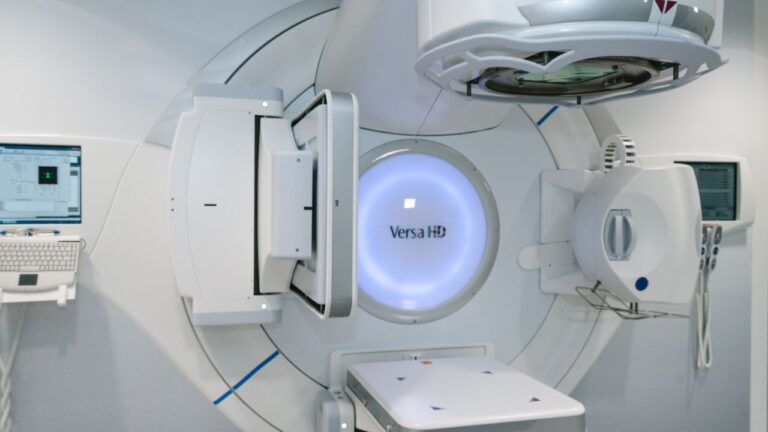
Medical technology continues to advance, offering new ways to support healing and recovery. One treatment that has gained attention in both healthcare and wellness discussions is the Hyperbaric Chamber. Originally developed for treating conditions such as decompression sickness, hyperbaric oxygen therapy (HBOT) is now used for a range of medical conditions under the supervision of qualified healthcare professionals.
A hyperbaric chamber provides a controlled environment where patients breathe nearly pure oxygen while the air pressure is increased above normal atmospheric levels. This combination allows more oxygen to dissolve into the bloodstream, supporting the body’s natural healing processes in specific medical situations.
What Is a Hyperbaric Chamber?
A hyperbaric chamber is a specialized medical device used to deliver hyperbaric oxygen therapy. During treatment, patients breathe high-concentration oxygen while inside a pressurized chamber.
The increased pressure allows oxygen to dissolve more efficiently into blood plasma, enabling it to reach tissues that may not receive adequate oxygen under normal conditions.
Hyperbaric chambers are generally classified into two main types:
- Monoplace chambers, designed for one patient.
- Multiplace chambers, which accommodate several patients simultaneously under medical supervision.
The type of chamber used depends on the healthcare facility and the patient’s treatment plan.
How Hyperbaric Oxygen Therapy Works
Under normal conditions, oxygen is carried primarily by red blood cells. Inside a hyperbaric chamber, increased pressure allows additional oxygen to dissolve directly into the plasma.
This enhanced oxygen delivery may support healing by:
- Increasing oxygen availability in tissues.
- Supporting the body’s natural repair processes.
- Assisting certain immune system functions.
- Promoting the formation of new blood vessels in some situations.
The exact physiological response depends on the medical condition being treated and the treatment protocol prescribed by a healthcare provider.
Medical Uses of Hyperbaric Chambers
Hyperbaric oxygen therapy is recognized for specific medical conditions. The exact indications vary by country, healthcare system, and clinical guidelines.
Examples of conditions for which HBOT may be used include:
- Decompression sickness
- Carbon monoxide poisoning
- Certain non-healing wounds
- Some radiation-related tissue injuries
- Certain severe infections as part of a broader treatment plan
- Air or gas embolism
Healthcare professionals determine whether HBOT is appropriate based on the patient’s diagnosis and overall medical condition.
Conditions Under Investigation
Researchers continue studying hyperbaric oxygen therapy for additional medical applications.
While some early research has explored its potential role in other conditions, evidence remains limited or inconclusive for many uses. Patients should consult qualified healthcare providers to understand which applications are supported by current clinical evidence.
What Happens During Treatment?
A typical hyperbaric oxygen therapy session follows several steps.
First, medical staff review the patient’s health history and explain the treatment process.
Once inside the chamber:
- Pressure is gradually increased.
- The patient breathes oxygen as directed.
- Medical staff monitor the session.
- Pressure is gradually returned to normal at the end of treatment.
Treatment duration and the number of sessions vary depending on the medical condition and the treatment plan established by the healthcare team.
Potential Benefits
When used for appropriate medical indications, hyperbaric oxygen therapy may offer several potential benefits.
These may include:
- Improved oxygen delivery to tissues.
- Support for wound healing in certain conditions.
- Assistance in treating specific medical emergencies.
- Support for recovery from selected injuries when clinically appropriate.
The expected benefits depend on the condition being treated and should be discussed with a healthcare professional.
Safety Considerations
Hyperbaric oxygen therapy is generally performed under medical supervision.
As with many medical treatments, there are potential risks and side effects.
Possible considerations include:
- Ear pressure or discomfort
- Temporary vision changes
- Claustrophobia
- Sinus discomfort
- Rare oxygen toxicity under certain circumstances
Healthcare providers evaluate each patient’s medical history to determine whether treatment is appropriate and to minimize potential risks.
Who May Not Be a Candidate?
Hyperbaric oxygen therapy is not suitable for everyone.
Certain medical conditions may require additional evaluation before treatment.
Patients should inform their healthcare provider about:
- Lung conditions
- Recent surgeries
- Ear problems
- Current medications
- Pregnancy
- Existing medical conditions
Only a qualified healthcare professional can determine whether HBOT is appropriate for an individual’s situation.
Preparing for a Hyperbaric Session
Patients may receive instructions before treatment.
Preparation often includes:
- Wearing approved clothing.
- Avoiding certain personal care products if instructed by the treatment center.
- Following dietary or medication guidance provided by healthcare staff.
- Arriving early for evaluation.
Each treatment center may have its own preparation procedures.
Hyperbaric Chambers in Modern Healthcare
Hospitals, wound care centers, and specialized treatment facilities commonly provide hyperbaric oxygen therapy.
Healthcare teams may include:
- Physicians
- Nurses
- Hyperbaric technicians
- Respiratory specialists
Treatment is typically integrated into a broader medical care plan rather than used as a standalone solution.
Choosing a Treatment Facility
If hyperbaric oxygen therapy has been recommended, selecting an appropriate facility is important.
Consider factors such as:
- Medical supervision
- Staff experience
- Equipment quality
- Facility accreditation where applicable
- Communication with your healthcare provider
Patients should ask questions about the treatment process, expected outcomes, and potential risks before beginning therapy.
Current Research
Medical researchers continue evaluating the role of hyperbaric oxygen therapy in various areas of healthcare.
Ongoing studies are examining:
- Tissue healing
- Neurological recovery
- Sports medicine
- Chronic wound management
- Rehabilitation strategies
While research continues, clinical recommendations are based on available scientific evidence and established medical guidelines.
FAQs
What is a hyperbaric chamber?
A hyperbaric chamber is a medical device that delivers hyperbaric oxygen therapy by increasing air pressure while patients breathe high-concentration oxygen under medical supervision.
What conditions are commonly treated with hyperbaric oxygen therapy?
HBOT is used for specific medical conditions such as decompression sickness, carbon monoxide poisoning, certain non-healing wounds, some radiation-related tissue injuries, and other approved indications depending on clinical guidelines.
Is hyperbaric oxygen therapy safe?
When performed under qualified medical supervision, hyperbaric oxygen therapy is generally considered safe for appropriately selected patients. However, like any medical treatment, it carries potential risks and side effects.
How long does a treatment session last?
Session length varies depending on the medical condition and treatment protocol. Your healthcare provider will explain the recommended schedule.
Does hyperbaric oxygen therapy require multiple sessions?
Many treatment plans involve multiple sessions, although the exact number depends on the condition being treated and the patient’s response to therapy.
Should I talk to my doctor before considering hyperbaric oxygen therapy?
Yes. A qualified healthcare provider should evaluate your medical history and determine whether hyperbaric oxygen therapy is appropriate for your specific condition.
Conclusion
A Hyperbaric Chamber is an important medical tool used to deliver hyperbaric oxygen therapy for specific health conditions under professional supervision. By increasing oxygen delivery throughout the body, this therapy may support healing and recovery in carefully selected clinical situations. Although research continues to explore additional applications, hyperbaric oxygen therapy should always be considered within the context of evidence-based medical care and individual patient needs. If your healthcare provider recommends HBOT, understanding the treatment process, expected outcomes, and safety considerations can help you make informed decisions as part of your overall healthcare plan.