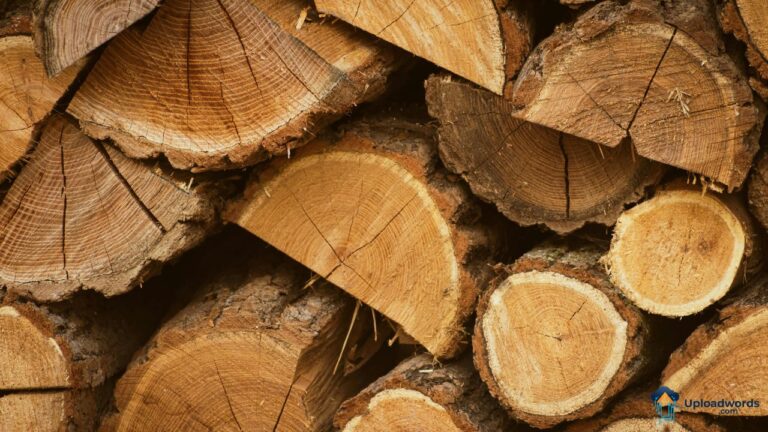
When it comes to efficient home heating, kiln dried softwood logs are becoming an increasingly popular choice for fireplaces, wood-burning stoves, and outdoor fire pits. Properly processed to reduce moisture content, kiln dried softwood logs offer cleaner combustion, higher heat output, and improved convenience compared to traditional seasoned wood. Whether you are heating your home during winter or creating ambiance in your living space, choosing the right firewood makes a significant difference in performance and efficiency.
What Are Kiln Dried Softwood Logs?
Kiln dried softwood logs are timber logs that have been dried in a controlled kiln environment to reduce their moisture content to below 20 percent, often around 10–18 percent. This controlled drying process ensures consistent quality and superior burning performance.
Softwood typically comes from coniferous trees such as:
- Pine
- Spruce
- Fir
- Larch
Because these species grow faster than hardwood trees, they are often more affordable and widely available.
Why Moisture Content Matters
Moisture content plays a critical role in firewood performance.
Faster Ignition
Kiln dried softwood logs ignite quickly because lower moisture means less energy is wasted evaporating water.
Higher Heat Efficiency
Dry logs burn hotter and more efficiently, maximizing heat output for your home.
Reduced Smoke Emissions
Wet or poorly seasoned wood produces excessive smoke and creosote buildup. Kiln drying minimizes these issues.
Benefits of Kiln Dried Softwood Logs
1. Clean Burning
Lower moisture content leads to cleaner combustion, reducing soot and chimney deposits.
2. Lightweight and Easy to Handle
Softwood logs are generally lighter than hardwood, making them easier to transport and stack.
3. Quick Heat Production
Softwood burns quickly and produces fast heat, ideal for quickly warming a room.
4. Environmentally Responsible
Many kiln dried softwood logs come from sustainable forestry sources, making them a renewable heating option.
5. Consistent Log Size
Commercial kiln drying ensures uniform size and moisture consistency.
Kiln Dried Softwood vs Hardwood Logs
| Feature | Softwood Logs | Hardwood Logs |
|---|---|---|
| Ignition | Faster | Slower |
| Burn Speed | Faster | Slower |
| Heat Duration | Shorter | Longer |
| Weight | Lighter | Heavier |
| Cost | Often lower | Typically higher |
| Softwood is ideal for quick heat and kindling, while hardwood is often preferred for longer burn duration. |
Best Uses for Kiln Dried Softwood Logs
- Wood-burning stoves
- Open fireplaces
- Pizza ovens
- Outdoor fire pits
- Kindling base for hardwood fires
Their quick flame makes them excellent for starting fires efficiently.
Storage Tips for Kiln Dried Softwood Logs
Even though kiln dried softwood logs have low moisture content, proper storage is still essential.
- Store in a dry, well-ventilated area
- Keep logs elevated off the ground
- Protect from rain using a breathable cover
- Avoid airtight plastic wrapping after opening
Proper storage preserves dryness and maintains burning efficiency.
Are Kiln Dried Softwood Logs Cost-Effective?
Although kiln dried logs may have a higher upfront price compared to untreated firewood, they provide:
- Higher energy efficiency
- Reduced waste
- Lower chimney maintenance costs
- Better overall heating performance
The improved burn efficiency often results in better long-term value.
Environmental Considerations
Modern kiln drying processes are increasingly energy-efficient. Many suppliers use biomass energy generated from wood waste to power kilns, reducing environmental impact.
Additionally, using dry logs:
- Lowers particulate emissions
- Reduces air pollution
- Improves compliance with clean air regulations
How to Identify Quality Kiln Dried Softwood Logs
When purchasing, look for:
- Moisture content below 20%
- Clean-cut ends
- Minimal bark damage
- Certified sustainable sourcing
- Reputable supplier labeling
Avoid logs that feel damp or excessively heavy.
Safety Considerations
Always:
- Use a properly ventilated stove or fireplace
- Install a carbon monoxide detector
- Clean chimneys regularly
- Avoid burning treated or painted wood
Proper safety practices ensure a secure and comfortable heating experience.
FAQs
1. What moisture level should kiln dried softwood logs have?
They should typically have a moisture content below 20 percent for optimal burning.
2. Do kiln dried softwood logs burn faster than hardwood?
Yes, softwood burns faster and produces quicker heat, while hardwood burns longer.
3. Are kiln dried softwood logs suitable for wood stoves?
Yes, they are suitable for most modern wood-burning stoves and fireplaces.
4. Do they produce more creosote?
No, properly kiln dried logs produce less creosote compared to wet or unseasoned wood.
5. How should I store kiln dried logs?
Store them in a dry, ventilated space away from moisture exposure.
Conclusion
Kiln dried softwood logs offer a reliable, efficient, and cleaner alternative to traditional firewood. Their low moisture content ensures faster ignition, improved heat output, and reduced smoke emissions. Ideal for wood stoves, fireplaces, and outdoor heating, they provide convenience and consistent performance. When sourced responsibly and stored properly, kiln dried softwood logs deliver both environmental and economic benefits, making them a smart choice for modern home heating solutions