

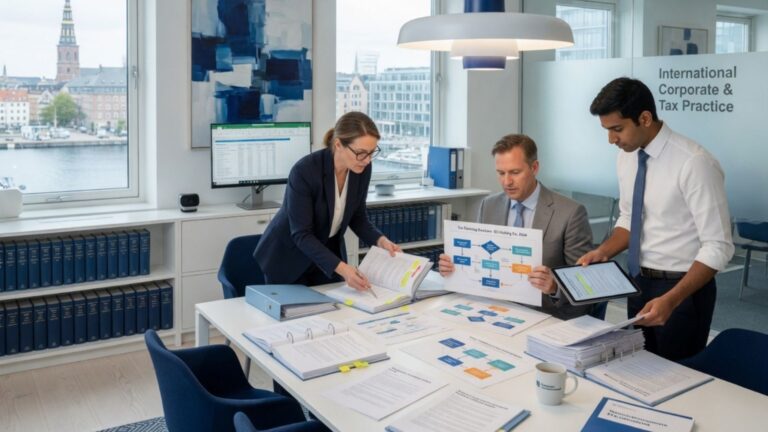
For companies operating across borders, legal advice needs to be practical, commercially aware, and culturally fluent. Lead Roedl is a name associated with international legal advisory in Copenhagen, supporting Danish and foreign businesses with matters such as corporate law, commercial agreements, M&A, employment law, tax, real estate, procurement, and international legal relationships. In a business environment where contracts, compliance, workforce rules, and cross-border transactions can quickly become complex, choosing the right legal partner can help organisations reduce risk and make better decisions.
International business law is not only about knowing statutes and regulations. It also requires understanding how commercial goals, local legal systems, negotiation styles, documentation standards, and cultural expectations interact. A company entering Denmark, hiring employees, buying a business, setting up a subsidiary, or negotiating with international partners needs legal guidance that is clear, timely, and aligned with business strategy.
This guide explains why international legal advisory matters, what businesses should look for in a cross-border law firm, and how legal support can help companies operate more confidently in Denmark and beyond.
What Is Lead Roedl?
Lead Roedl can be understood as a Copenhagen-based legal advisory brand focused on business law and international legal matters. The firm’s positioning is connected with proactive legal guidance for Danish and international companies, particularly those that need support across jurisdictions, languages, and commercial cultures.
Businesses may look for this kind of legal support when they need help with:
- Company formation and corporate structure
- Commercial contracts
- Mergers and acquisitions
- Employment and HR matters
- International trade relationships
- Tax considerations
- Real estate and leasing issues
- Procurement and tender processes
- Cross-border compliance
- Danish market entry planning
The value of a business-focused law firm is not simply producing documents. It is helping clients understand legal options, identify risks early, and make decisions that support long-term business goals.
Why Lead Roedl Matters for International Businesses
Lead Roedl matters for international businesses because Denmark is an attractive but regulated market. Companies entering or operating in Denmark may need to understand corporate registration, contract rules, employment obligations, tax matters, data protection, commercial negotiation norms, and industry-specific requirements.
Foreign businesses often face practical questions such as:
- What is the right legal structure for operating in Denmark?
- How should commercial contracts be adapted to Danish law?
- What employment rules apply when hiring Danish staff?
- How are cross-border transactions documented?
- What tax issues should be reviewed before expansion?
- What compliance obligations apply to local operations?
- How should disputes or contract risks be managed?
A legal advisor with international experience can help translate these questions into practical steps. This is especially important for businesses that do not have in-house Danish legal expertise.
Lead Roedl and Corporate Legal Advisory
Corporate legal advisory is central to business growth. Companies need reliable legal structures, governance documents, shareholder agreements, board processes, and compliance routines.
Corporate advisory may include:
- Setting up Danish companies
- Advising on subsidiaries or branches
- Preparing shareholder agreements
- Reviewing articles of association
- Supporting board and management documentation
- Advising on corporate governance
- Handling ownership changes
- Supporting restructuring projects
- Advising on legal responsibilities of directors
For international companies, corporate law support is especially useful when coordinating between parent companies, subsidiaries, investors, and local management teams. Clear documentation can reduce misunderstandings and protect decision-making.
Lead Roedl and Commercial Contracts
Commercial contracts define how businesses work with customers, suppliers, distributors, partners, consultants, and service providers. Poorly drafted contracts can create disputes, payment problems, unclear obligations, or unexpected liability.
A business law advisor may support contracts such as:
- Supply agreements
- Distribution agreements
- Agency agreements
- Service contracts
- Framework agreements
- Terms and conditions
- Non-disclosure agreements
- Consultancy agreements
- Purchase agreements
- Cross-border trade contracts
Good contract advice should focus on clarity and commercial usefulness. A contract should not only sound legally formal; it should explain responsibilities, pricing, timelines, termination rights, liability, confidentiality, governing law, and dispute procedures in a way the business can actually use.
Lead Roedl and M&A Support
Mergers and acquisitions can involve significant legal, financial, operational, and cultural risks. Whether a company is buying, selling, merging, or investing, legal support is essential throughout the process.
M&A legal advisory may include:
- Initial transaction structuring
- Due diligence
- Share purchase agreements
- Asset purchase agreements
- Disclosure schedules
- Warranty and indemnity review
- Regulatory considerations
- Employment transfer issues
- Closing documentation
- Post-completion obligations
For cross-border transactions, M&A work becomes more complex because parties may operate under different legal systems and expectations. A legal team with international experience can help coordinate documentation and reduce transaction risk.
Lead Roedl and Employment Law
Employment law is one of the most important areas for companies hiring in Denmark. Danish employment rules may differ from those in other countries, and employers need to understand contracts, working conditions, termination rules, holidays, restrictive covenants, workplace policies, and employee rights.
Employment advisory may cover:
- Employment contracts
- Executive service agreements
- Staff handbooks
- Holiday and leave rules
- Termination procedures
- Restructuring and redundancies
- Cross-border employee postings
- HR compliance
- Workplace disputes
- Employer obligations during expansion
For international employers, local employment guidance can help prevent costly mistakes. A contract template from another country may not be suitable for Danish employees without legal review.
Lead Roedl and International Legal Relationships
International legal relationships require more than translation. Companies need advice that accounts for business culture, legal systems, language differences, enforcement risks, and commercial expectations.
International advisory may help businesses with:
- Cross-border contract negotiation
- Danish-German business relationships
- Export and import arrangements
- International commercial disputes
- Market entry strategies
- Multi-jurisdictional coordination
- Legal risk assessment
- Foreign parent company support
- International compliance planning
When companies operate across borders, legal advice should be both technically sound and commercially practical. The goal is to avoid confusion before it becomes a dispute.
Lead Roedl and Tax Considerations
Tax is closely connected to business structure, cross-border trade, employment, investments, and transactions. While tax planning should always be specific to the facts, companies should consider tax early rather than after legal documents are signed.
Tax-related advisory may involve:
- Danish corporate tax considerations
- International tax questions
- Employee tax issues
- Transaction tax review
- Permanent establishment risk
- VAT considerations
- Cross-border payment structures
- Tax implications of restructuring
Tax advice should be coordinated with legal and financial planning. This helps ensure that commercial decisions do not create unexpected liabilities.
Lead Roedl for Danish Market Entry
Entering the Danish market requires practical planning. A business may need to choose a legal structure, register locally, hire employees, rent office space, open bank accounts, negotiate supplier contracts, and understand ongoing obligations.
A market entry legal checklist may include:
- Selecting business structure
- Reviewing ownership and governance
- Preparing local contracts
- Checking employment requirements
- Reviewing tax and VAT registration needs
- Understanding sector rules
- Protecting intellectual property
- Reviewing lease agreements
- Setting compliance routines
- Planning dispute prevention
A proactive legal advisor can help businesses avoid rushing into arrangements that later need correction.
How to Choose the Right International Legal Advisor
Choosing a legal advisor should be based on expertise, communication, responsiveness, and fit with your business needs. For international companies, language ability and cross-cultural understanding can also be important.
Before choosing a law firm, ask:
- Does the team understand my industry?
- Do they have experience with international clients?
- Can they explain Danish legal issues clearly?
- Do they provide practical commercial advice?
- Are fees and scope clearly explained?
- Can they coordinate with advisors in other countries?
- Do they support ongoing compliance, not just one-off tasks?
- Are they responsive and easy to communicate with?
A strong legal relationship is built on trust, clarity, and shared understanding of business goals.
Common Legal Mistakes International Companies Should Avoid
Many legal problems can be prevented with early advice. Common mistakes include:
- Using foreign contract templates without local review
- Hiring employees without understanding Danish rules
- Ignoring tax implications of local activities
- Choosing the wrong business structure
- Delaying legal review until a dispute starts
- Not documenting shareholder expectations
- Overlooking termination clauses
- Failing to protect confidential information
- Not checking procurement or tender rules
- Assuming legal requirements are the same across countries
Early legal support often costs less than fixing problems after they arise.
Conclusion: Lead Roedl and Proactive Business Legal Support
Lead Roedl represents the kind of international legal advisory that modern companies may need when operating in Denmark or managing cross-border business relationships. From corporate law and commercial contracts to M&A, employment, tax, and Danish market entry, legal support can help businesses make informed decisions and reduce avoidable risk. The strongest advisory relationship is proactive, practical, and aligned with commercial goals. For companies working internationally, Lead Roedl highlights the importance of legal guidance that understands both local law and global business realities.
FAQs
What is Lead Roedl?
Lead Roedl is associated with international business legal advisory in Copenhagen, supporting Danish and foreign companies with commercial legal matters.
What services can Lead Roedl help businesses with?
Services may include corporate law, commercial contracts, M&A, employment law, tax, real estate, procurement, and international legal matters.
Why do foreign companies need Danish legal advice?
Foreign companies need Danish legal advice to understand local rules on company setup, employment, contracts, tax, compliance, and market entry.
Can Lead Roedl support cross-border business matters?
Yes, Lead Roedl is positioned around international legal relationships and advisory for companies operating across borders.
Why is employment law important when entering Denmark?
Employment law matters because Danish rules on contracts, holidays, termination, HR policies, and employee rights may differ from other countries.
How should a business choose an international legal advisor?
Choose an advisor with relevant expertise, clear communication, international experience, transparent fees, and practical business-focused guidance.


