

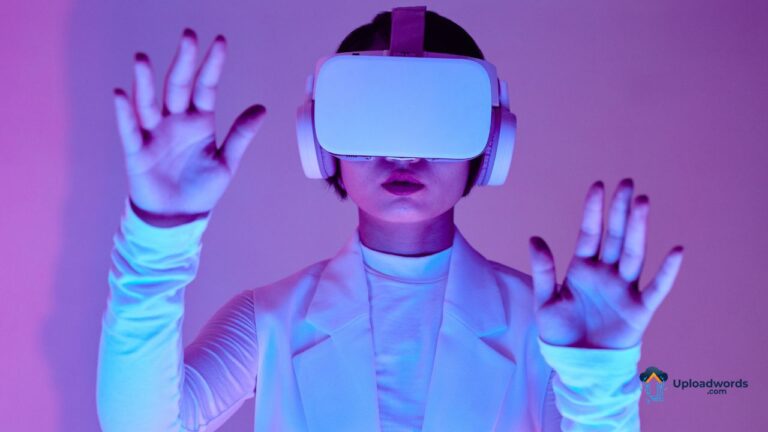
Rokid AR Spatial represents a new generation of augmented reality (AR) technology designed to deliver immersive digital experiences in both professional and personal environments. As AR continues to evolve, spatial computing has become a central focus, enabling users to interact with digital content in three-dimensional space. Rokid AR Spatial integrates advanced display systems, real-time tracking, and intuitive user interfaces to bridge the gap between the physical and digital worlds.
From enterprise applications to entertainment, spatial AR solutions are redefining how people engage with technology.
What Is Rokid AR Spatial?
Rokid AR Spatial refers to Rokid’s augmented reality ecosystem that combines hardware and software to create spatial computing experiences. It typically includes:
- AR smart glasses
- Spatial tracking technology
- 3D display projection
- AI-powered interaction systems
- Multi-screen virtual workspace capabilities
The system allows digital objects to appear anchored in real-world environments, enhancing productivity and engagement.
Key Features of Rokid AR Spatial
High-Resolution Display
Rokid AR devices provide sharp, immersive visuals designed for comfortable extended use.
Spatial Tracking
Advanced sensors detect head movement and positioning, enabling stable 3D object placement.
Multi-Window Virtual Screens
Users can open multiple virtual displays simultaneously, ideal for multitasking and productivity.
Lightweight and Portable Design
Unlike bulky VR headsets, AR spatial glasses are designed for everyday wear.
AI Integration
Artificial intelligence enhances voice commands, gesture control, and adaptive display adjustments.
Applications of Rokid AR Spatial
Enterprise and Business
- Virtual workstations
- Remote collaboration
- Data visualization
- Technical training
- Real-time analytics display
Businesses can create immersive environments for increased efficiency.
Education and Training
- Interactive learning modules
- Simulation-based training
- STEM visualization tools
Spatial AR makes complex concepts easier to understand.
Entertainment and Media
- Immersive gaming
- Virtual cinema experiences
- Interactive 3D content
Users can enjoy enhanced digital experiences in compact formats.
Healthcare
- Surgical visualization
- Medical training simulations
- Real-time patient data overlays
AR spatial tools support improved precision and learning.
Rokid AR Spatial vs Traditional AR Devices
| Feature | Rokid AR Spatial | Traditional AR |
|---|---|---|
| Spatial Anchoring | Advanced 3D tracking | Basic overlay |
| Portability | Lightweight glasses | Varies |
| Multi-Screen Workspace | Yes | Limited |
| AI Integration | Built-in support | Minimal |
Spatial computing delivers a more immersive and functional experience.
Benefits of Rokid AR Spatial
Enhanced Productivity
Users can create customizable virtual work environments.
Portability
Lightweight design supports mobility.
Immersive Interaction
3D object interaction enhances engagement.
Reduced Physical Hardware
Virtual screens reduce the need for multiple monitors.
Challenges and Considerations
Despite its innovation, spatial AR technology faces challenges such as:
- Battery life limitations
- Software compatibility
- User adaptation
- Cost considerations
Ongoing technological advancements aim to address these factors.
The Future of Rokid AR Spatial
As spatial computing grows, future developments may include:
- Improved battery efficiency
- Higher display resolution
- Broader enterprise integration
- Enhanced gesture recognition
- Expanded developer ecosystems
Rokid AR Spatial aligns with the broader evolution of wearable computing and immersive technology.
FAQs
1. What is Rokid AR Spatial?
It is an augmented reality system that enables immersive spatial computing experiences through AR smart glasses and AI integration.
2. Is Rokid AR Spatial suitable for business use?
Yes, it supports productivity, collaboration, and data visualization in enterprise environments.
3. How does spatial AR differ from regular AR?
Spatial AR anchors digital objects in 3D space, creating more immersive interaction.
4. Can Rokid AR Spatial replace traditional monitors?
It can simulate multiple virtual screens, reducing the need for physical monitors.
5. Is Rokid AR Spatial lightweight?
Yes, the system is designed to be portable and wearable for extended use.
Conclusion
Rokid AR Spatial showcases the potential of next-generation augmented reality by combining spatial computing, AI integration, and lightweight wearable design. Its applications across business, education, healthcare, and entertainment highlight the transformative impact of immersive technology. As spatial AR continues to evolve, Rokid’s innovations contribute to a future where digital and physical environments seamlessly integrate.


