

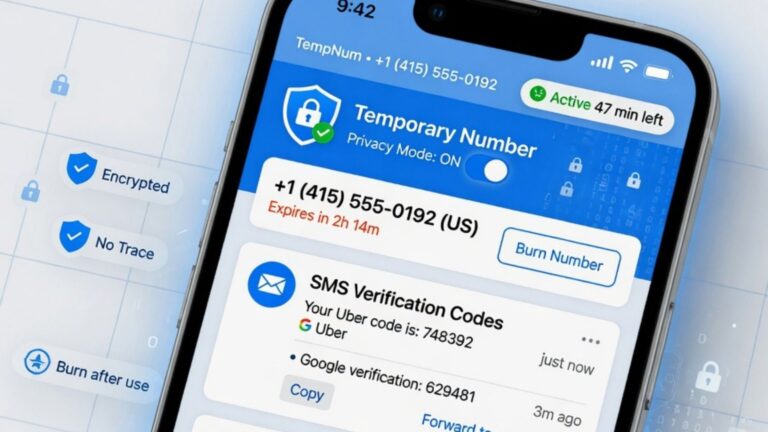
A temporary phone number can be a useful tool when you want to receive SMS messages, protect your personal number, test online services, manage short-term communication, or separate personal and business activity. In a digital world where many websites and apps ask for phone verification, people are increasingly looking for flexible ways to keep their main number private while still completing legitimate signups or short-term tasks. However, temporary numbers should be used responsibly, legally, and in line with each platform’s terms of service.
Temporary numbers are not a replacement for strong account security, and they are not suitable for every situation. For important accounts such as banking, government services, healthcare, long-term email accounts, or primary business tools, using a permanent and secure phone number is usually safer. But for low-risk use cases, temporary numbers can offer convenience and privacy when handled correctly.
This guide explains what temporary phone numbers are, how they work, common use cases, benefits, limitations, safety tips, and what to consider before using one.
What Is a Temporary Phone Number?
A temporary phone number is a phone number used for a limited purpose or limited period. It may be used to receive SMS messages, verification codes, one-time passwords, calls, or short-term communication without revealing a personal mobile number.
Temporary numbers may also be called:
- Disposable phone numbers
- Virtual phone numbers
- Burner numbers
- Online SMS numbers
- Temporary SMS numbers
- Verification numbers
- Short-term mobile numbers
Depending on the provider, a temporary number may be available for a single message, a short rental period, a specific platform verification, or ongoing temporary use. Some numbers receive SMS only, while others may support calls or longer-term communication.
The main idea is simple: you use a separate number instead of exposing your personal mobile number everywhere online.
How a Temporary Phone Number Works
A temporary phone number usually works through an online platform, mobile app, VoIP service, or SMS receiving service. The provider gives users access to a number that can receive messages or calls for a certain purpose.
A typical process may look like this:
- Choose a country or service category
- Select an available number
- Enter the number on the website or app requesting verification
- Wait for the SMS or code
- Read the received message through the provider’s dashboard
- Use the code for the intended signup or verification
- Let the number expire or stop using it
Some services provide private numbers, while others may offer shared numbers. Private numbers are generally safer for account-related use because shared numbers may be visible to multiple users or reused.
Users should always understand whether the number is private, shared, rented, reusable, or single-use before relying on it.
Temporary Phone Number for Online Privacy
One of the biggest reasons people use a temporary phone number is privacy. Many websites, apps, marketplaces, dating platforms, classified ads, delivery services, and online communities request a phone number. Sharing your personal number too often can increase unwanted calls, spam texts, marketing messages, and privacy exposure.
Using a separate number may help reduce:
- Spam messages
- Unwanted sales calls
- Exposure of your personal number
- Data broker collection
- Contact list tracking
- Long-term marketing follow-ups
- Risk from unknown websites
However, privacy does not mean anonymity for illegal activity. Temporary numbers should not be used for fraud, harassment, impersonation, evading bans, spam, or violating platform rules. Responsible use is essential.
Temporary Phone Number for SMS Verification
SMS verification is common because many platforms use phone numbers to confirm that a user can receive a code. A temporary phone number may be used for low-risk account verification, app testing, trial signups, or services where you do not want to share your main number.
Common verification-related uses include:
- Testing app registration flows
- Creating temporary marketplace listings
- Signing up for non-critical online services
- Receiving one-time SMS codes
- Managing short-term campaigns
- Separating personal and work accounts
Still, there are important limitations. Some platforms block virtual or temporary numbers. Others require long-term access to the same number for password recovery or future login verification. If you lose access to the temporary number, you may lose access to the account.
For important accounts, a permanent number or authenticator app is usually a better choice.
Temporary Phone Number for Business Use
Businesses may use temporary numbers for customer service testing, marketing campaigns, classified ads, hiring, event registration, or short-term projects. A separate number can help teams manage communication without exposing employees’ personal phone numbers.
Business use cases may include:
- Short-term advertising campaigns
- Event signups
- Customer inquiry tracking
- App or website testing
- Temporary project communication
- Recruitment screening
- Marketplace listings
- Regional testing for SMS delivery
For businesses, it is important to choose a reliable provider and maintain proper records. If communication is customer-facing, the number should be stable enough to avoid missed messages or poor customer experience.
Temporary Phone Number for Travel
A temporary phone number can also be useful while traveling. Some travelers use temporary or virtual numbers to receive messages, communicate locally, or separate travel-related registrations from their main phone number.
Travel-related uses may include:
- Booking confirmations
- Local service signups
- Ride-hailing communication
- Short-term rentals
- Delivery apps
- Event registration
- Temporary local communication
However, travelers should not rely on a temporary number for critical services unless they are sure it will remain active for the required period. For important travel accounts, such as airline bookings, banking alerts, or emergency contacts, a stable number is safer.
Benefits of Using a Temporary Phone Number
Temporary phone numbers offer several practical benefits when used correctly.
Key advantages include:
- Better personal number privacy
- Less exposure to spam
- Convenient SMS verification
- Separation between personal and online activity
- Useful for short-term projects
- Helpful for testing apps and websites
- Flexible communication for travel or events
- Reduced need for extra SIM cards
- Easier management of temporary signups
For people who often test online platforms, run digital campaigns, or want to protect their personal contact details, temporary numbers can be a useful privacy layer.
Risks and Limitations of a Temporary Phone Number
A temporary phone number also has risks. Users should understand these before using one for any account.
Important limitations include:
- The number may expire
- You may not receive future login codes
- Some platforms block temporary numbers
- Shared numbers may reduce privacy
- The number may be reassigned later
- Account recovery can become difficult
- SMS delivery may be delayed
- Not suitable for sensitive accounts
- Terms of service may restrict usage
- Security depends on the provider
The biggest risk is account loss. If you use a temporary number to create an account and later need the same number for recovery, you may not be able to access it again. This is why temporary numbers should be used carefully.
Temporary Phone Number and Account Security
Many people confuse privacy with security. A temporary phone number can help protect your personal number, but it does not automatically make an account secure.
For stronger account security, consider:
- Using strong unique passwords
- Enabling multi-factor authentication
- Using an authenticator app where possible
- Keeping recovery email updated
- Avoiding shared temporary numbers for important accounts
- Not storing sensitive codes in public dashboards
- Reviewing platform security settings
- Avoiding suspicious SMS links
- Protecting your main email account
- Keeping devices updated
SMS verification has known limitations because messages can be intercepted, delayed, or tied to number access. For critical accounts, app-based authentication or hardware security keys may offer stronger protection where supported.
How to Choose a Temporary Phone Number Provider
Not all temporary number services are equal. Some are designed for casual SMS receiving, while others offer more private, reliable, or business-friendly features.
Before choosing a provider, check:
- Whether numbers are private or shared
- Available countries
- Supported platforms
- SMS delivery speed
- Rental duration
- Refund or replacement policy
- Dashboard usability
- Pricing transparency
- Customer support
- Privacy policy
- Data retention practices
- Terms of service
If you need the number for business or longer-term use, choose a provider that clearly explains reliability, support, and access duration.
Responsible Use of a Temporary Phone Number
Responsible use is important. Temporary phone numbers should be used for legitimate privacy, testing, convenience, or short-term communication. They should not be used to deceive people, create fake identities for harm, bypass platform enforcement, commit fraud, send spam, or access services unlawfully.
Responsible use includes:
- Following platform rules
- Avoiding illegal activity
- Respecting age restrictions
- Not impersonating others
- Protecting verification codes
- Using permanent numbers for important accounts
- Understanding account recovery risks
- Reading provider terms
- Avoiding shared numbers for sensitive use
A temporary phone number is a tool. Its value depends on how safely and ethically it is used.
Common Mistakes to Avoid
Many users make simple mistakes when using temporary numbers.
Common mistakes include:
- Using a temporary number for banking
- Forgetting the number may expire
- Using shared numbers for private accounts
- Not saving backup login methods
- Assuming all platforms accept virtual numbers
- Ignoring terms of service
- Sharing received codes with others
- Clicking suspicious SMS links
- Using unknown providers without checking privacy
- Depending on one-time access for long-term accounts
Before using a temporary number, ask whether you may need that number again in the future. If the answer is yes, a short-term number may not be the right choice.
Conclusion: Is a Temporary Phone Number Worth Using?
A temporary phone number can be worth using when you need short-term communication, SMS verification, online privacy, travel convenience, app testing, or separation between personal and public activity. It can help reduce spam and protect your main phone number from unnecessary exposure. However, it should be used carefully. Temporary numbers are not ideal for sensitive accounts, long-term recovery, banking, healthcare, or any service where permanent access matters. The best approach is to use a temporary phone number for low-risk, legitimate purposes while keeping stronger security methods for important accounts.
FAQs
What is a temporary phone number?
A temporary phone number is a short-term or virtual number used to receive SMS messages, calls, or verification codes without using your personal number.
Is a temporary phone number safe to use?
It can be safe for low-risk uses, but it is not recommended for banking, healthcare, government accounts, or long-term account recovery.
Can I use a temporary phone number for SMS verification?
Yes, many users use temporary numbers for SMS verification, but some platforms may block virtual or disposable numbers.
How long does a temporary phone number last?
It depends on the provider. Some numbers last for one message, while others can be rented for hours, days, weeks, or longer.
Can I receive calls on a temporary phone number?
Some temporary numbers support calls, but many SMS services only receive text messages. Always check the provider’s features first.
What should I avoid using a temporary phone number for?
Avoid using it for critical accounts, illegal activity, spam, impersonation, fraud, or any service where long-term access is important.


